42 | CURBTENDER, INC
TEST FOR BYPASSING CYLINDERS
1) With the chassis engine running and the hydraulic system activated, fully extend the cylinder
to be tested for bypassing.
2) Disconnect and cap the hydraulic line which connects to the rod end of the cylinder.
3) Apply hydraulic pressure to the case end of the cylinder. While holding a suitable container to
catch any hydraulic uid which may escape, observe for hydraulic uid ow from the open
port on the rod end. The ow of hydraulic uid should be no more than 2 uid ounces (60 ml)
per minute. A ow greater than 2 uid ounces (60 ml) indicates an excessively leaking piston
seal. If the cylinder does not leak excessively continue the test.
4) Reconnect the hydraulic line to the rod end of the cylinder.
5) Fully retract the cylinder.
6) Disconnect and cap the hydraulic line which connects to the case end of the cylinder.
7) Apply hydraulic pressure to the rod end of the cylinder. While holding a suitable container to
catch any hydraulic uid which may escape, observe for hydraulic uid ow from the open
port on the rod end. The ow of hydraulic uid should be no more than 2 uid ounces (60 ml)
per minute. A ow greater than 2 uid ounces (60 ml) indicates an excessively leaking piston
seal. If the cylinder does not leak excessively continue the test.
8) Reconnect the hydraulic line to the case end of the cylinder.
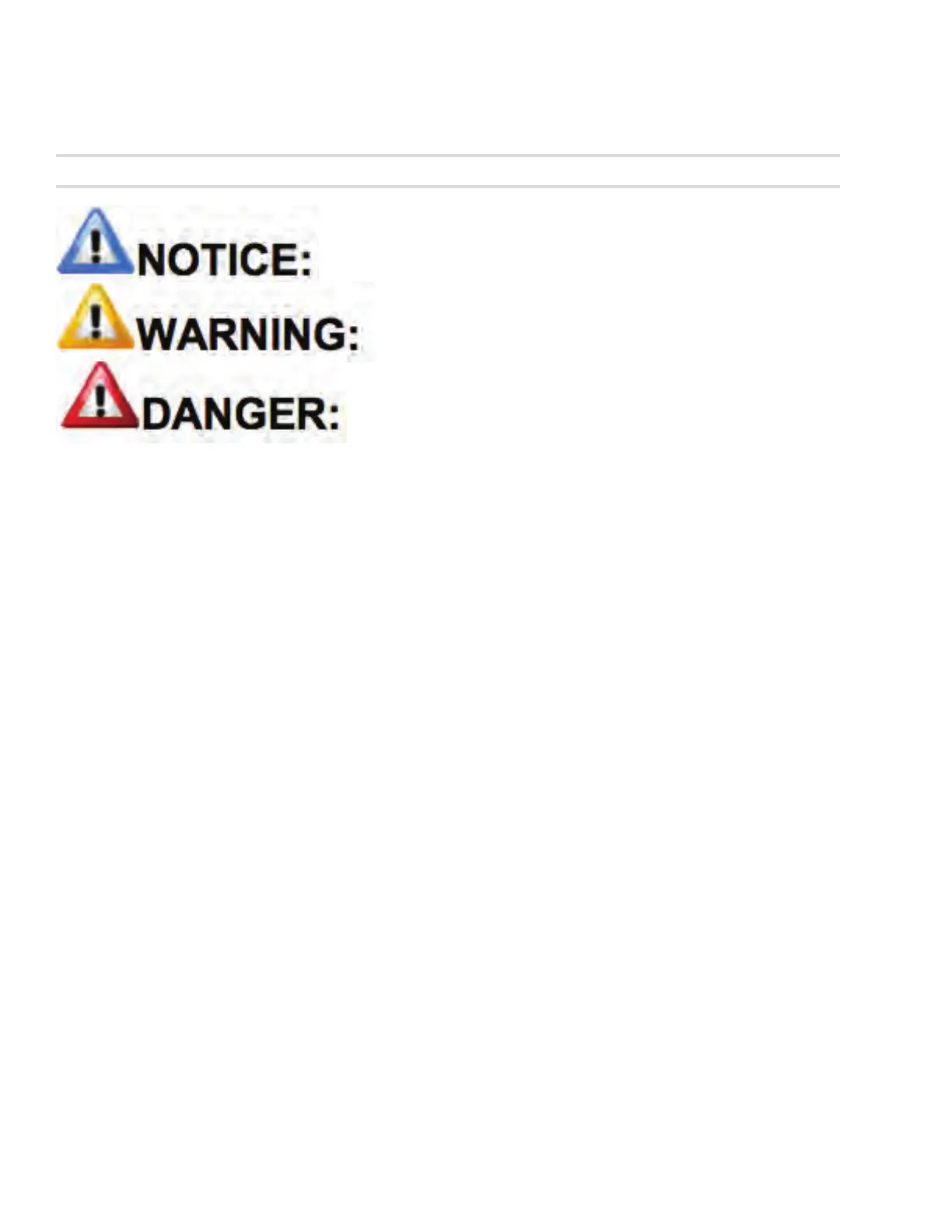
Extreme care should be taken to insure the service person
does not become pinched by moving components!
Before testing any cylinders, make sure the main relief pressure is
set at 2500 PSI.
There are some procedures in this section that will require the
chassis engine to be running. In these instances, the operational
status will be indicated. Otherwise, make sure that the chassis engine is shut o and the keys are
removed. The pressure of the hydraulic system and resulting movement of the unit’s parts can cause
serious injury or death.


 To Next Page