D1091 Rev.M August. 2016
TREATMENT TECHNIQUE – 532 NM VASCULAR WITH COOLVIEW HANDPIECE
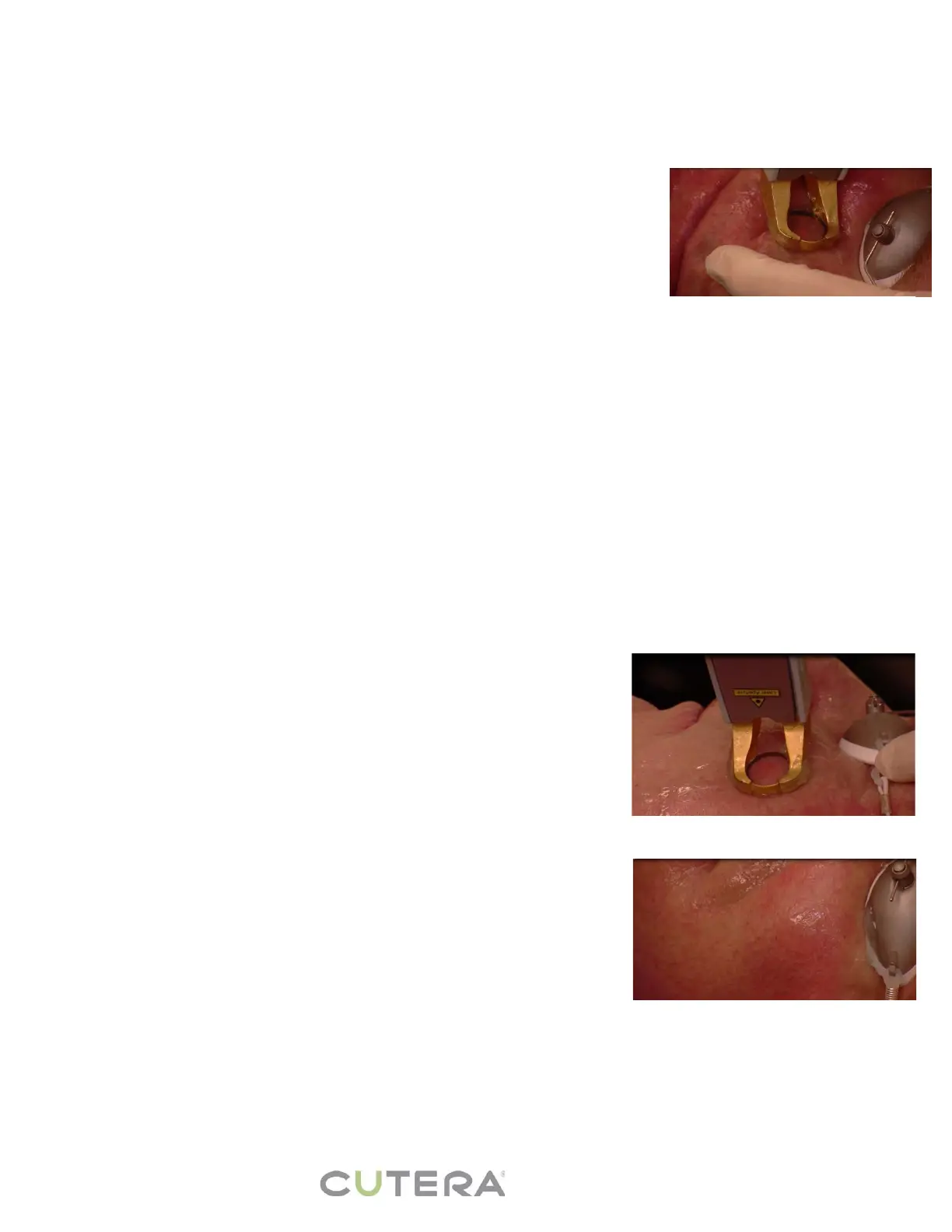
• WARNING: The red diode aiming beam in the sapphire window should be in full contact with the skin before,
during, and after the laser pulse.
o Pay close attention when treating over the nose or curved areas to ensure full contact with the
sapphire window where the red aiming beam is present.
o Consider using a smaller spot size if you cannot ensure full contact with the sapphire window.
• Technique:
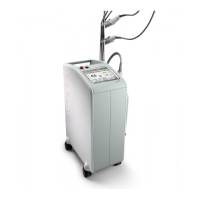
o Apply a thin layer of clear gel (such as ultrasound gel) for increased
epidermal protection and patient comfort and seat the sapphire window
gently on the skin.
o Ensure that no large bubbles are present under the aiming beam.
o Do not apply too much pressure on the skin with the handpiece while
treating vessels to avoid compressing the target.
o Create suction by gently lifting the handpiece slightly while maintaining
contact.
o Pre-cool area with sapphire window, depress the foot pedal to fire a
pulse, then glide handpiece to next treatment area and repeat.
o Ensure that handpiece has complete contact with skin during each pulse.
• Always observe the epidermis during the treatment, watching for signs of damage (blanching or gray
coloration).
o If damage is seen, stop the treatment and apply a cool compress and evaluate the area for possible
complications and wound care.
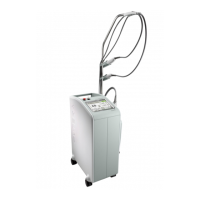
• Common endpoints are transient or persistent color change within the vessel, vessel disappearance or
constriction, erythema, or purpura.
o If the clinical endpoint is not reached, shorten the pulse duration or increase the fluence.
o A second pulse may be delivered after allowing the skin to fully cool.
• Treating small vessels
o Place the treatment pulses sequentially with a slight overlap.
o Do not stack pulses or double pulse.
• Treating diffuse redness/matting
o 10 – 12 mm spot size (Global Treatment) recommended.
o Overlap pulses by no more than 10-20%.
o Only 1 pass recommended.
• Treatment of Diffuse Redness with Discreet Vessels –
o If a patient wants fewer treatments with more downtime:
Option 1: Combine small and large spot sizes.
− Use a 3 - 5mm spot size to trace smaller vessels
− Follow with 10 – 12 mm spot size treatment
covering the entire area (Global Treatment).
o Overlap pulses by no more than 10-20%.
o Only 1 pass recommended.
− The risk of edema is high.
− Fewer treatments may be required.
− Lowering the fluence can decrease downtime but
increases number of treatments
Option 2: Use large spot size only.
− Treat the entire area with large 10 – 12 mm spot
size (Global Treatment)
o Overlap pulses by no more than 10-20%.
− Follow with additional pulses on areas that did not
respond with the same spot size.
o It is not recommended to do a full second
pass with the 10 – 12 mm spot size.
− The risk of edema is high.
− Fewer treatments are usually required.
− Lowering the fluence can decrease downtime but
increase number of treatments
o If a patient wants more treatments with less downtime per treatment:
Treat discreet vessels with 3 – 5 mm spot size.
Follow with genesis V to treat the diffuse redness.
The 3 – 5 mm spot size may cause localized edema.
More treatments may be required with this technique.
Ensure full contact of sapphire window
Global Treatment Endpoint


 To Next Page