D1091 Rev.M August. 2016
HAIR REMOVAL TREATMENT STEPS
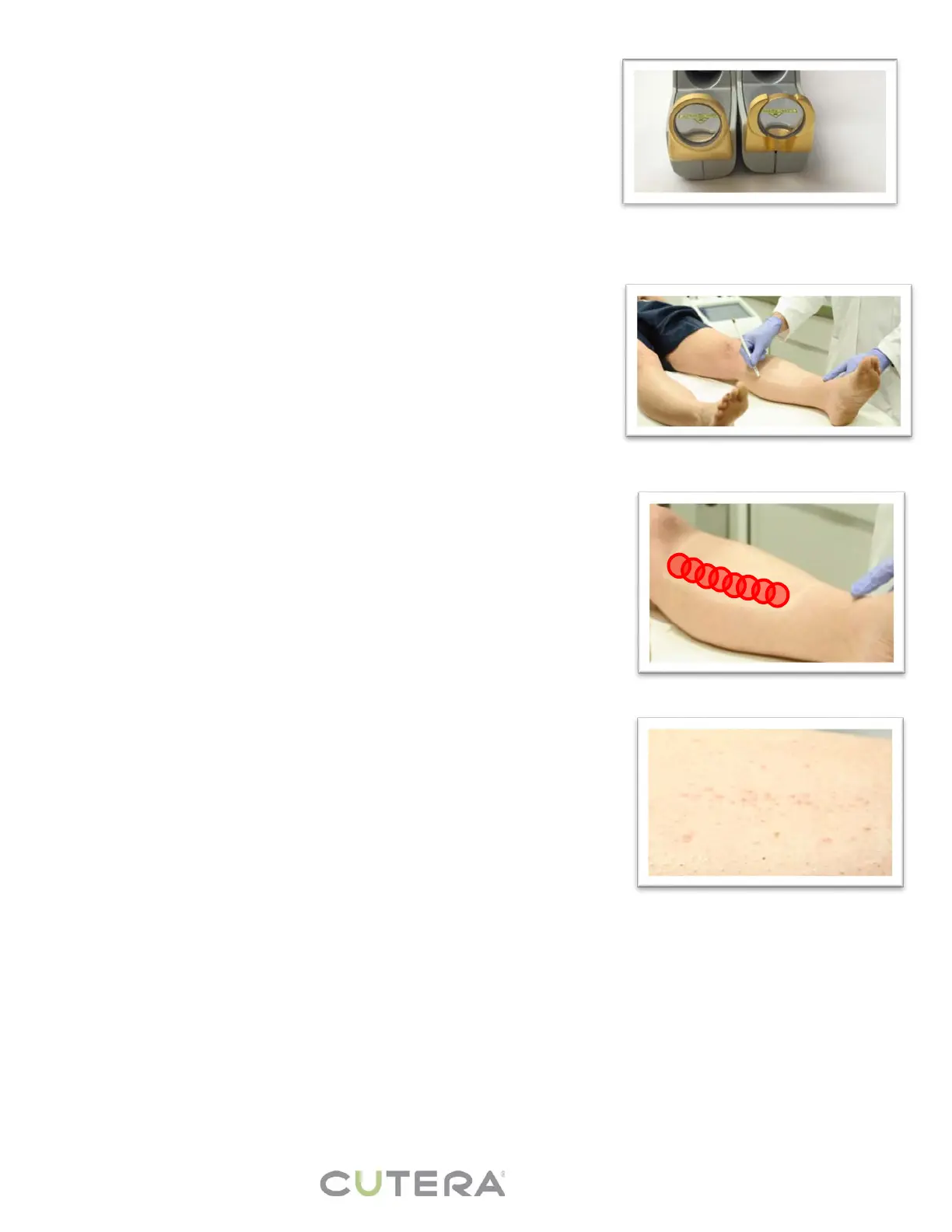
• Inspect the handpiece to ensure the sapphire window and metal
surfaces are free of debris and ejected hair prior to and during
treatment.
o It may be necessary to periodically wipe the bottom of the
handpiece with a gauze to remove ejected hair
• Perform and observe test spots prior to treatment. Potential adverse
reactions may take 24-72 hours to appear. Pigmentation changes for
darker skin type patients may develop up to several weeks following
treatment.
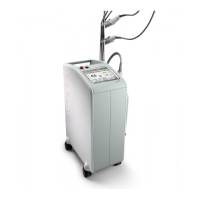
• Large areas may be easier to treat if divided into smaller grids.
o Mark with a white eyeliner pencil.
o Use only WHITE pencil as it will not be absorbed by laser light.
o Because eyeliner pencil components are not standardized, test
the pencil before using on patients.
• Apply a thin layer of clear gel (such as ultrasound or aloe vera gel) for
increased epidermal protection, for easy gliding of the handpiece, and
to determine placement of adjacent rows.
• To prevent fogging of the treatment window, place one drop of the
Anti-fog drops provided with the system on top of the window prior to
each treatment or when window develops condensation.
• Sapphire window must be in full contact with skin during treatment.
o Pay particular attention when treating rounded/bony areas.
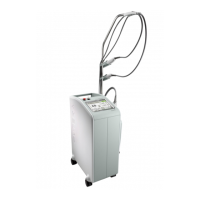
• Pulses should be spaced with 10-20% overlap.
o Use a maximum of 10% overlap on darker skin.
• Consider precooling for patients with darker skin or areas of dense hair.
• Precool area with sapphire window, depress the foot pedal to fire a
pulse, then glide handpiece to next treatment area and repeat.
o If using a repetition rate, keep foot pedal depressed as the laser
fires each pulse. Ensure that handpiece has complete contact
with skin during each pulse.
• Do not stack pulses (“double-pulse”) or retreat an area within a single
visit.
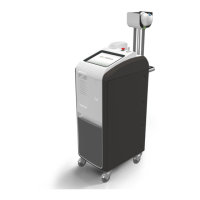
• Common endpoints are mild to moderate erythema and/or peri-follicular
edema, which may be delayed. However, these endpoints are not
required for a successful treatment.
o If desired clinical endpoint is not achieved, consider increasing
fluence or shortening the pulse duration.
• Always observe the epidermis during the treatment, watching for signs
of damage (blanching or gray coloration).
o If damage is seen, stop the treatment and apply a cool compress
and evaluate the area for possible complications and wound
care.
• Be extra cautious when treating delicate or highly sensitive areas
(knuckles, genitalia, ears, upper lip, etc.).
o ‘Provide extra cooling with handpiece and/or frozen gel pack.
o Thinner skin is more easily damaged.
o Insert damp cotton ball inside ear canal when treating the ear.
o Pull skin away from testes to treat.
o When treating near the mouth, a moist gauze can be placed
between the lips and teeth to protect teeth from discomfort.
Perifollicular edema is a common endpoint
Typical 10% - 20% overlap of pulses
Mark treatment area with white eyeliner pencil
Inspect sapphire window prior to
and during treatment


 To Next Page