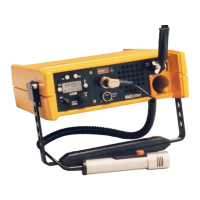
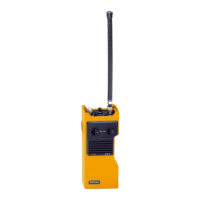
FSG 7016
Operator’s Manual
November 2009 5
SAFETY INFORMATION
Every radio, when transmitting, radiates energy into the atmosphere that may, under certain
conditions, cause the generation of sparks. All users of our UHF/AM Transceiver FSG 7016
should be aware of the following warning:
+++ Do not operate this radio in an explosive atmosphere +++
(gas, petroleum fuels, solvents, dust, etc.)!
During normal use, the radio will subject you to radio energy substantially below the level where
any kind of harm is reported.
TO ENSURE PERSONAL SAFETY, please observe the following simple rules:
• Only persons entitled may operate the UHF/AM Transceiver FSG 7016!
• DO NOT transmit when the helical antenna is very close to, or touching, exposed parts of the
body, especially the face and eyes.
• DO NOT transmit in closed vehicles, aircraft or inside buildings with the helical antenna! This
may trigger the airbag, cause malfunction of the avionics or confuse other electronic
equipment! Always operate the radio on a suitable outside / external antenna! Assure
appropriate lightning protection where an elevated outdoor antenna is used.
• DO NOT transmit on a busy channel!
• DO NOT press and hold the transmit (PTT) key when not actually desiring to transmit.
• DO NOT allow children to play with any radio equipment containing a transmitter.
• DO NOT operate the radio whilst driving. It should also be noticed that the use of a hand held
microphone while driving could constitute an offence under the Road Traffic Regulations in
certain countries.
• Always turn OFF the radio when replacing the battery pack.
• The UHF/AM Transceiver FSG 7016 may be used exclusively for communication on the
UHF/AM airband frequencies.
• Unauthorised modifications and changes of the system are forbidden!
• When replacing defective parts use only original parts or parts recommended by the
manufacturer.
• In order to prevent corrosion, the radio should be rinsed with tap-water after use in sea-
water. Wipe dry using a clean, lint-free cloth.
Nickel-metal hydride Batteries Handling Precaution
• Never dispose Ni-MH batteries in a fire or expose to high temperatures.
• Do not connect the positive (+) and negative (-) terminals of Ni-MH batteries together with
electrically conductive material, including lead wires.
• Do not transport or store Ni-MH batteries with their uncovered terminals.
• Do not strike or drop Ni-MH batteries. Sharp impacts or concussion to batteries may result in
leakage, heat generation and bursting.
• Never disassemble, modify or reconstruct Ni-MH battery packs.
• Ni-MH batteries contain a strong colourless alkali liquid. The alkali is extremely corrosive and
will cause skin damage. If any liquid from a Ni-MH battery comes in contact with a user's
eyes, they should immediately flush their eyes with clean water enough and consult a doctor.
The strong alkali can damage eyes and lead to permanent loss of eyesight.
Ni-MH
This radio contains a Ni-MH battery!
• DO NOT dispose worn out Ni-MH batteries with domestic waste.
• Consumers are obliged by law to return Ni-MH batteries at the end of their
service lives to the public collecting points set up for this purpose or point of
sale.


 To Next Page