DORAN MFG. LLC 2851 Massachusetts Ave Cincinnati, OH 45225 866-816-7233
Doranmfg.com
16
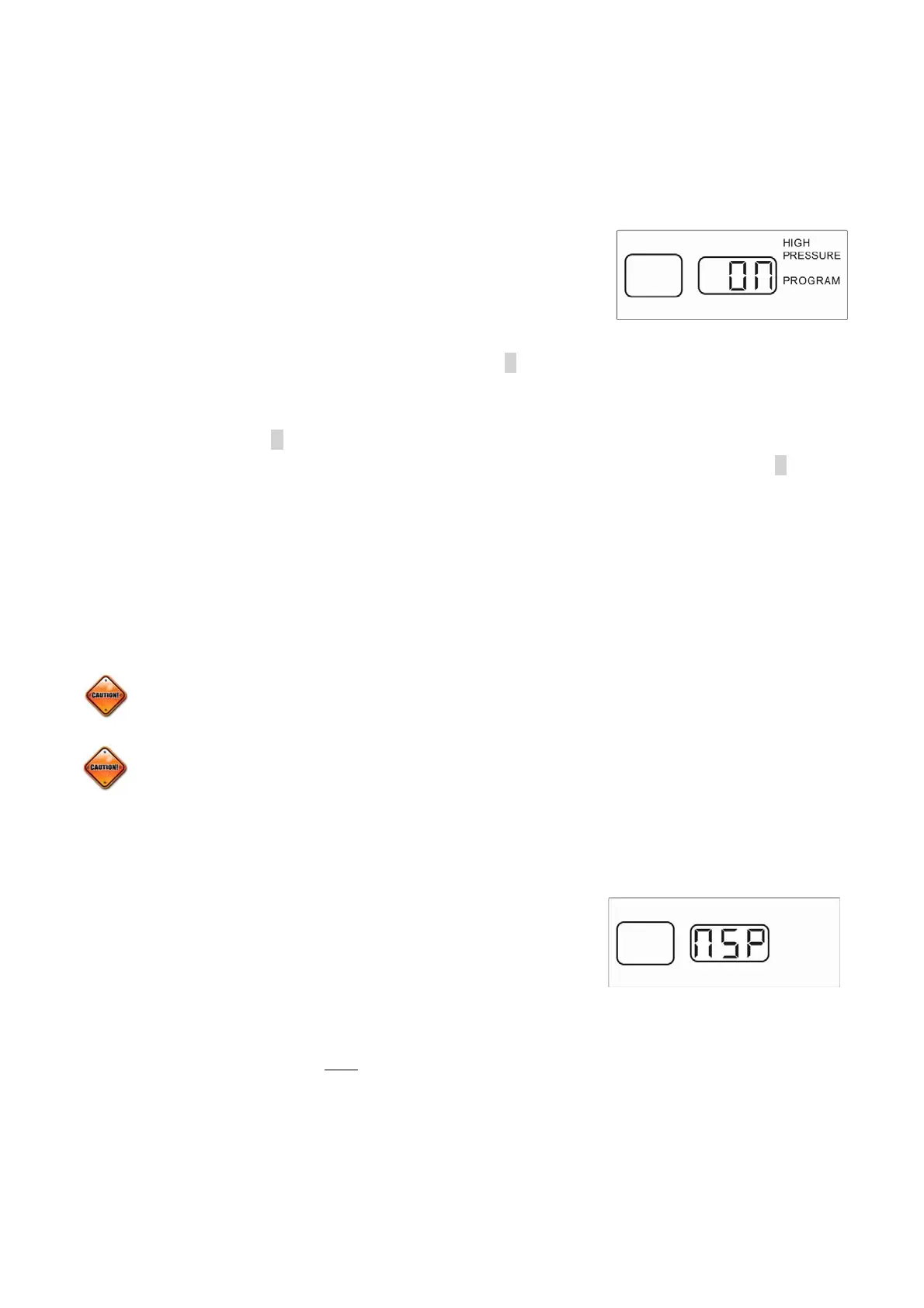
of the screen will display “
on
or OFF” (see Figure 2-23 and 2-24). To turn on or off this
feature do the following:
1. Using the left and right arrow buttons you will be able to
turn this feature on and off as it is shown in the center
of the display.
2. When your selection has been made, the S button will need to be pressed for three
seconds to lock the selection into the memory of the monitor.
3. Pressing the P button briefly will rotate you back through the different programming
modes. If you are done with the programming operation you can press the P button
for 5 seconds and the monitor will automatically return to the normal operation mode.
This can be done in any section of the program mode when the programming is
completed.
III. INSTALLING THE SENSORS ON THE VEHICLE.
The monitor should now be turned on and it should be in the normal operation mode.
It could take up to eight (8) minutes for the monitor to receive the updated signal from
the sensors once the monitor has been activated if the monitor was powered down.
Be sure to inspect and replace any defective or cracked valve stems before installing the
sensors. If replacements are necessary we suggest replacing the valve stems with
a brass or stainless steel stem. It does improve the life of the stem due to premature failure from
drying out and cracking. Inferior stems have been found in the market and can cause extensive
damage.
Keep in mind that tire pressures will increase as you drive. When
tires are in motion, the sidewalls are under stress carrying the
load of the vehicle. This energy created by the tires develops
heat, which causes the air in the tires to expand. This can cause
air pressure to increase as much as 10 psi in certain applications. This is normal, and the
manufacturers’ recommended cold running pressures have already taken this into consideration.
Always adjust air pressure when tires are cold or ambient to the baseline pressures that were
programmed into the monitor for each wheel position. Cool temperatures and high altitudes can
Fi
ure 2-24
Fi
ure 3-1


 To Next Page