Copyright 2010 Baker Hughes Company.
4 | PACE Calibration Manual–English
1. Calibration Check
PACE controllers and indicators include a calibration function. To make sure the PACE is within
specification, a calibration check must be done at chosen intervals. If the ‘as found’ calibration
data of the PACE is not within the permitted deviation, do a calibration adjustment.
2. Calibration Status
The Measured Pressure or Instrument Status menu shows the calibration status of the
instrument on the front panel screen. The Calibration History lists the dates of the stored
ca
libration corrections.
Note: The Date and Time must be set correctly in the Measured Pressure or Global Setup or
Calibration menu.
3. Calibration Equipment
The original Druck Calibration Certificate shows the measurement uncertainty of the original
pressure calibration standard. For preservation of the uncertainty of the PACE calibration, checks
and adjustments must be done using a calibrator uncertainty of less than or equal to the original
pressure calibration standard. It is important when measuring the stability of a sensor (especially
in Tallis units) that the unit is returned to the same calibration lab and ideally the same primary
standard is used. This removes differences between standards from the drift calculation.
4. Preliminary Operations
Review and understand the whole procedure before doing a calibration.
Before doing a calibration:
1. Energize the PACE and allow it to thermally stabilize for at least 2 hours in a thermally stable
environment.
2. Do a Leak Test as detailed in PACE User Manual K0443 (PACE Control Module only).
5. Notes on Calibration
The pressure calibration standard output port and the PACE reference level must be at the same
level. See illustrations below for PACE reference level. If the pressure calibration standard is not
at the PACE reference level, use height-corrected applied pressure.
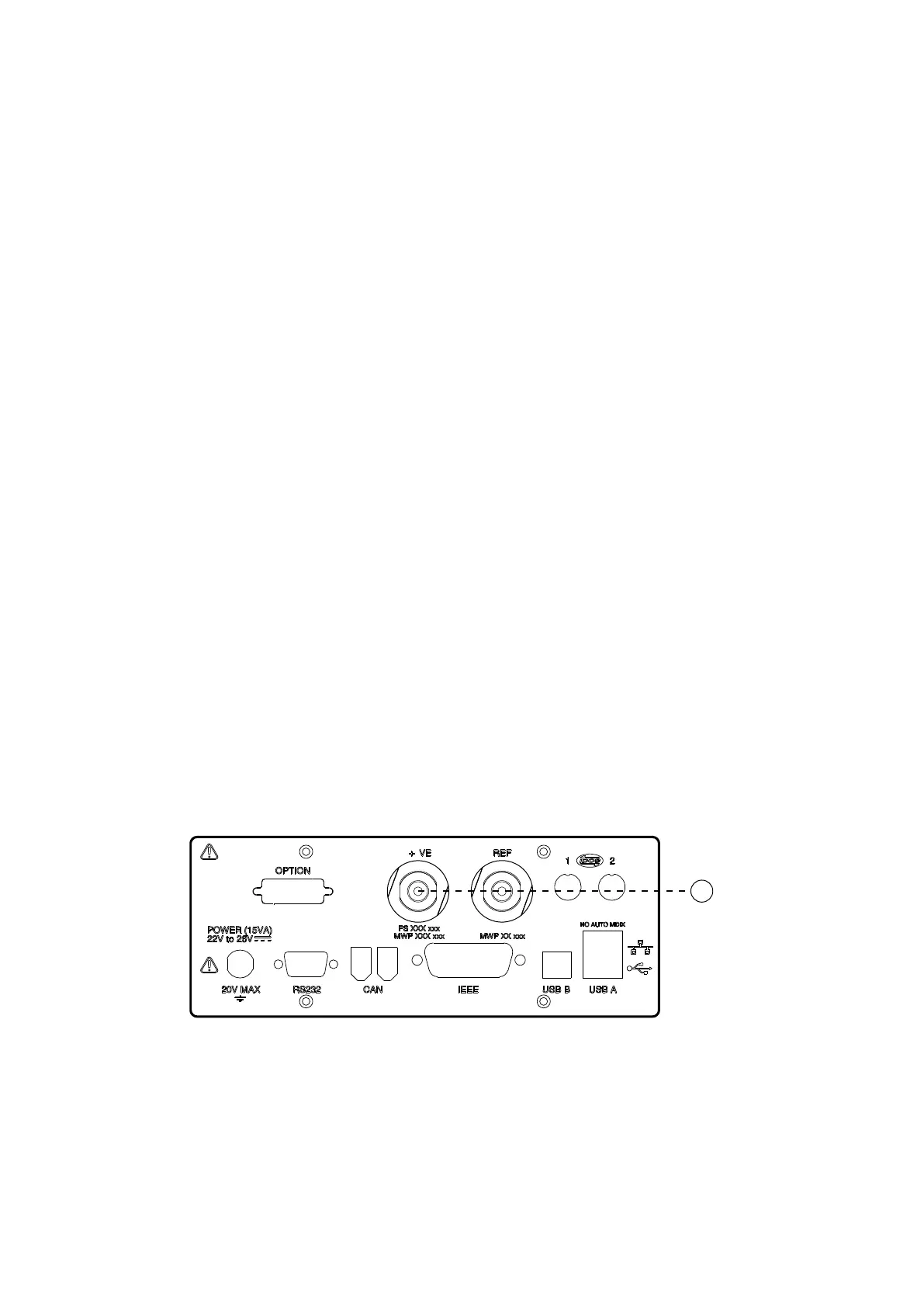
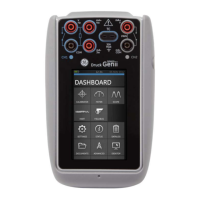
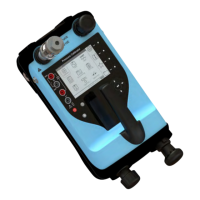
Figure 1: PACE 1000 and PACE Tallis Reference Level
1 Reference Level



 To Next Page