Section 5 Sensor Communication
50 FT722 & FT742 (RS485) – FF & PM Sensors – User Manual
5.3 Configuring the Sensor
All user parameter settings are stored in non-volatile memory and are retained when the sensor is switched off.
When the sensor is next switched on (or a user reset command is sent) the sensor will revert to these settings.
The sensor can therefore be configured prior to final installation if required.
The sensor settings can be returned to the factory values (see Figure 51 for factory default settings) at any time
by sending the factory reset command.
5.4 Communication
5.4.1 Conventions used in this manual
All examples of sensor transmitted and received messages are printed in italic courier monospace font, e.g.
$<listenerID>,DFP*<checksum><cr><lf>
Angle brackets are used as placeholders for data (e.g. <wind speed>) or for non-printable ASCII characters (e.g.
<cr> for carriage return).
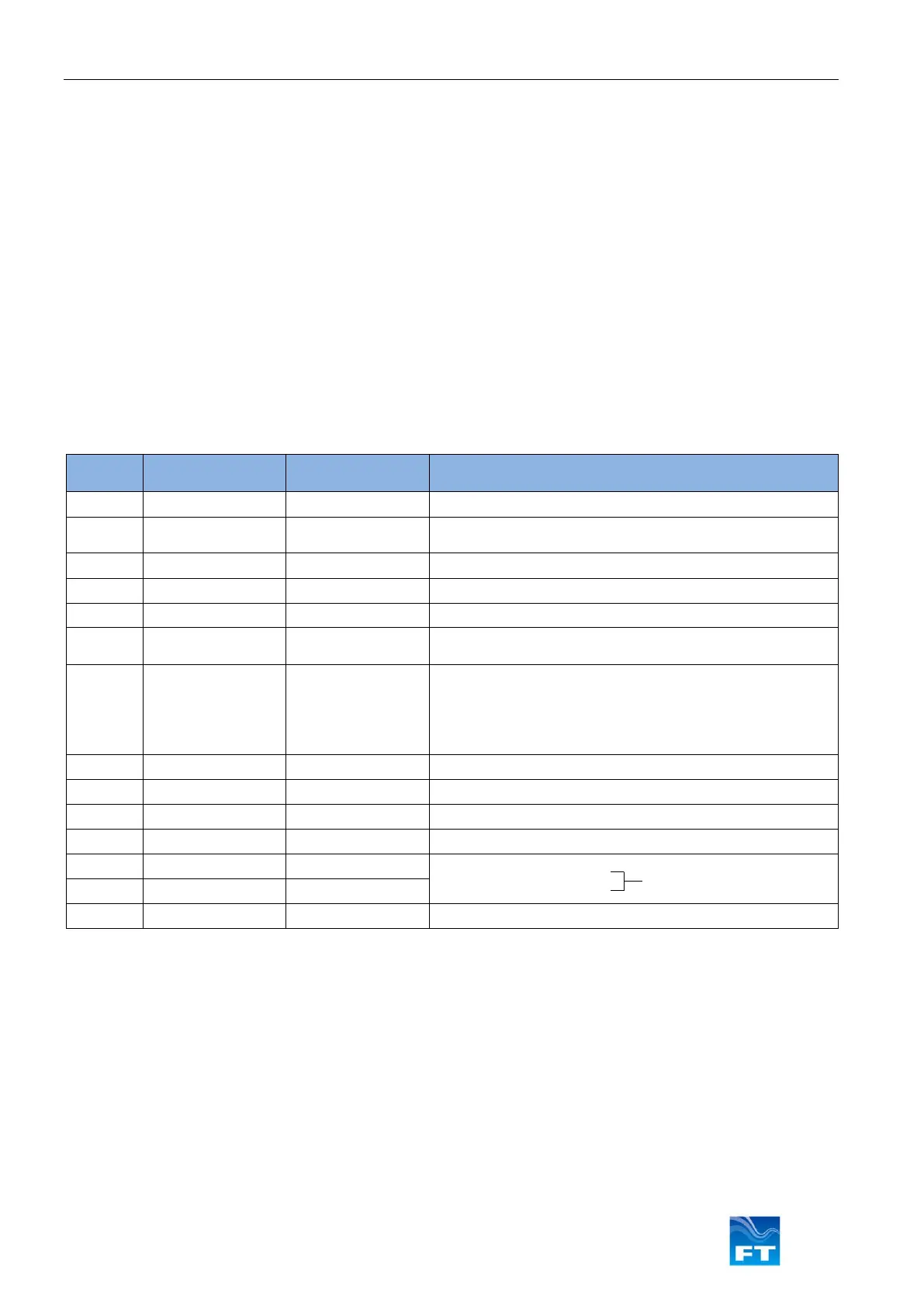
Figure 47 lists the various special characters and symbols which are used in the examples given in this Handbook.
polarity indicator. Where a value can take on both
positive and negative values a polarity indicator (either +
or -) is always sent as the first character in the field. The
field length therefore remains fixed for both positive and
negative values.


 To Next Page