USE ONLY GENUINE REPLACEMENT PARTS 15
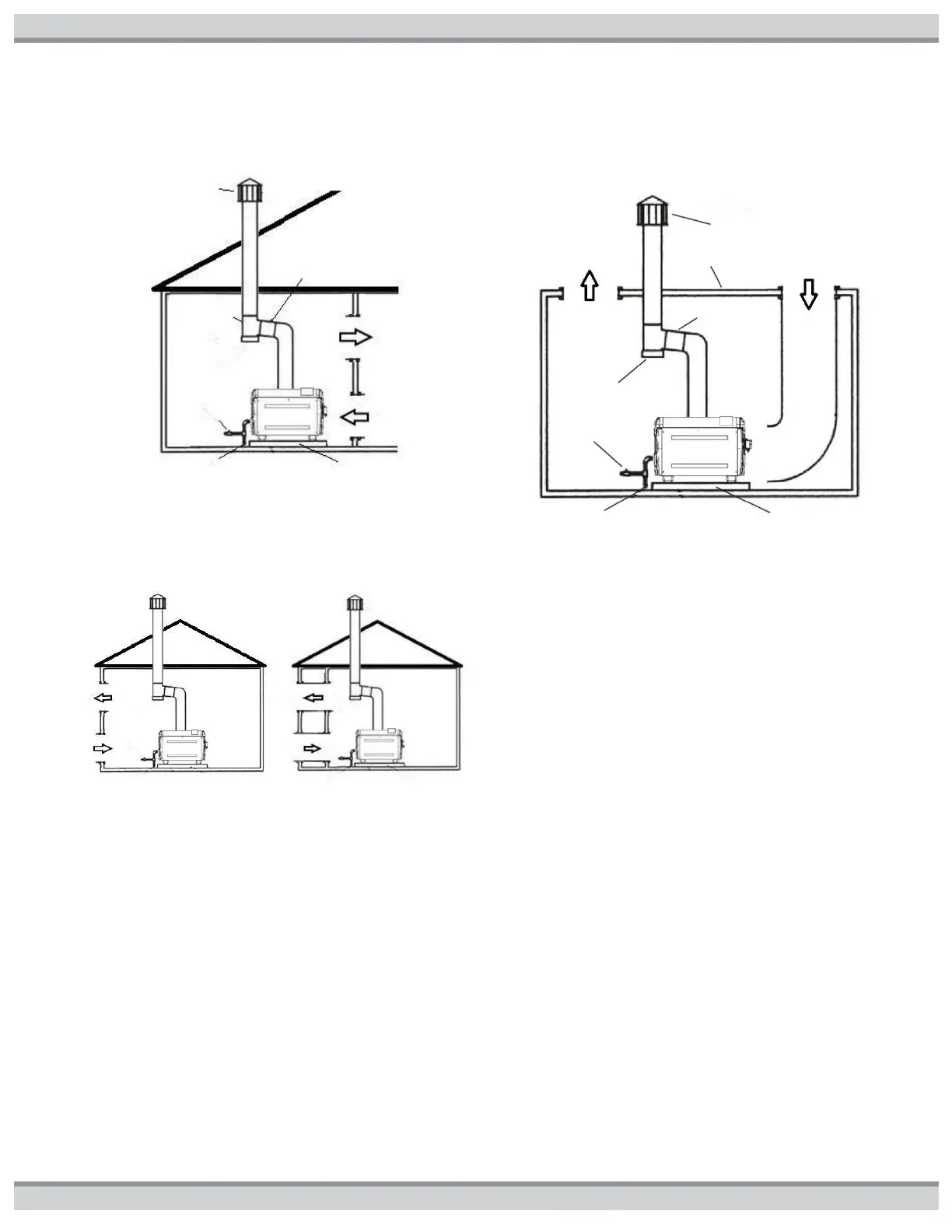
Figure8: Air from Inside Building Installation
1 square inch per 1,000 btu/hr of the total input
Table3 Indoor Clearance Apply
Figure9: Air from Outside Building Installation
A)1 square inch per B)1 square inch per
4,000 btu/hr of 2,000 btu/hr of
total input total input
Figure10: Air Below-Ground
(Pit for Natural Gas only Installations)
1 square inch per 4,000 btu/hr of total input
Table3 Indoor Clearance Apply
FLUE GAS VENTING:
For installation outdoors, no additional venting is required for operation. Ensure top of unit remains unobstructed.
INDOOR INSTALLATION WITH NEGATIVE (CATI) OR POSITIVE (CATIII) PRESSURE VENTING SYSTEMS: The heater is
designed such that it may be vented using either a negative-pressure or a positive-pressure venting system. The appropriate
system of venting for a particular site will depend on many factors such as vent termination needs (horizontal/vertical), clearance of
vent termination, length of vent and the cost of venting system. Table6 (CATI) and Table9 (CATIII) list the required indoor venting
kits available for each system. Multiple forced- or induced-draft units should never be vented using common venting or vent
terminations. Never common vent this heater with other gas-burning appliances.
NEGATIVE PRESSURE (VERTICAL ONLY, CATI) VENTING:
NEGATIVE PRESSURE CATI VENT SIZING: Size the vent pipe according to the venting Tables in the National Fuel Gas Code
(ANSI Z223.1/NFPA 54) for a Category I gas appliance using single-wall or double-wall (Type B) gas vent. Vent pipe diameter
should not be less than the size of the vent pipe adapter on the heater with the appropriate vent kit adapter installed (see Table6).
Single-wall vent may be used in conditioned spaces only. Clearance to combustible materials for single-wall vent is 9 inches.
Double-wall (Type B) vent may be used in conditioned spaces, but must be used in non-conditioned spaces. Clearance to
combustible materials for double-wall vent is 6 inches. Smaller clearances may be available; consult the National Fuel Gas Code.


 To Next Page