8
NOTE: If the heater is exposed to the following, do not operate until all corrective steps have been made
by a qualified serviceman:
1. FIRE
2. DAMAGE
3. WATER
Any claims for damage or shortage in shipment must be filed immediately against the transportation
company by the consignee.
DO NOT USE THIS APPLIANCE IF ANY PART HAS BEEN UNDERWATER. Immediately call a qualified
service technician. Replace any part of the control unit that has been under water.
B. IMPROPER COMBUSTION
NOTE: Do not obstruct the flow of combustion and ventilating air. Adequate air must be provided for safe
operation.
C. GAS
Should overheating or gas supply fail to shut off, do not turn off or disconnect electrical supply to
circulator. Instead, shut off the gas supply at a location external to the appliance.
D. WHEN SERVICING THE HEATER
• To avoid electric shock, disconnect electrical supply before performing maintenance.
• To avoid severe burns, allow heater to cool.
E. HEATER WATER
• Do not use petroleum-based cleaning or sealing compounds in a heater system. Gaskets and
seals in the system may be damaged. This can result in substantial property damage.
• Do not use “homemade cures” or “heater patent medicines”. Substantial property damage,
damage to heater, and/or serious personal injury may result.
PART 2 – HOW THE HEATER OPERATES
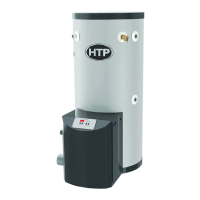
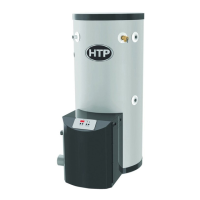
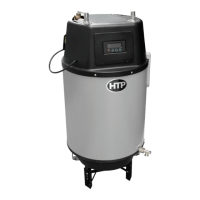
The Versa Hydro with Total System Control is truly revolutionary, providing high efficiency central
heating and domestic hot water from one appliance. Total System Control manages system needs,
assuring maximum comfort and efficient operation. Some features of the heater are:
Stainless Steel Water Storage Tank
The storage tank is constructed of 316L stainless steel to provide maximum corrosion resistance. Water
blown foam insulation and a plastic jacket provide superior insulation, allowing no more than a ½ degree
heat loss per hour.
High Efficiency Heat Exchanger
The highly efficient 90/10 copper nickel heat exchanger provides direct energy transfer from the
combustion gases into domestic water. Hot gases travel from the primary circuit to heat the combustion
walls, which then transfer heat directly into the water. The secondary circuit then transfers the last bit of





 To Next Page