EasyManua.ls Logo

Intellian OW50M-Rac - User Manual

Intellian OW50M-Rac
109 pages
Print Icon
To Next Page IconTo Next Page
Loading...
OW50M-Rac
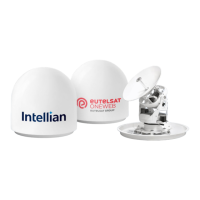
OneWeb Maritime Antenna System
Installation & Operation User Guide

Table of Contents

Question and Answer IconNeed help?

Do you have a question about the Intellian OW50M-Rac and is the answer not in the manual?

Summary

Chapter 1. Precautions

1.1 Warnings, Cautions, and Notes

Defines WARNING, CAUTION, and NOTE statements used for safety and important information.

1.2 General Precautions

Outlines general handling, storage, and shipping precautions for the antenna system.

Chapter 3. Introduction

3.1 Introduction to OW50 M-Rac

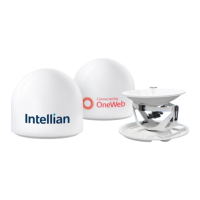
Overview of the OW50M-Rac as a dual parabolic terminal for LEO satellite constellations.

3.2 OW50 M-Rac Features

Lists key features of the OW50M-Rac system, including algorithms and capabilities.

Chapter 4. Planning Installation

4.1 Installation Precautions

Emphasizes safety measures, pre-installation checks, and grounding requirements.

4.2 Selecting Installation Site

Guidelines for choosing optimal locations for the antenna and CNX, considering obstructions.

4.3 System Package

Details the components included in the OW50M-Rac system package, with and without heating module.

4.4 System Cables

Specifies requirements and types for antenna power, data, gyrocompass, and AC power cables.

4.5 Installer;Customer Furnished Equipment

Lists essential equipment and tools to be provided by the installer or customer.

4.6 Unpacking System Package

Provides step-by-step instructions for safely unpacking the OW50M-Rac system.

Chapter 5. Installing Above Deck Unit (ADU)

5.1 General Requirements

Outlines requirements for the mounting platform and pole supporting the Dual ADU.

5.2 Antenna Dimensions

Details the physical dimensions of the antenna unit, including height and diameter.

5.3 Antenna Mounting Hole Pattern

Shows the mounting hole pattern and template for drilling on the mast.

5.4 Designing Mast (Example Only)

Provides guidance on designing a robust mast to support the antenna and radome.

5.5 Routing RF Cable on Mast (Example Only)

Instructions for routing RF cables on the mast, both externally and internally.

5.6 Removing Antenna from Wooden Pallet

Step-by-step procedure for safely removing the antenna from its shipping pallet.

5.7 Moving Antenna Above Mast

Guidance on safely lifting and positioning the antenna onto the mast using lifting straps.

5.8 Inserting Waterproof Foam

Instructions for correctly inserting waterproof foam to prevent water entry into the radome.

5.9 Mounting Antenna on Mast

Detailed steps for securely mounting the antenna onto the mast using bolts and washers.

5.10 Connecting RF Cable to Antenna

Explains how to connect the RF cable to the antenna's radome connector.

5.11 Connecting power cable for Heating Module (Optional)

Guides on connecting the power cable for the optional heating module.

Chapter 6. Installing Below Deck Unit (BDU)

6.1 Selecting BDU Installation Site

Recommendations for choosing a suitable dry, cool, and ventilated location for the CNX.

6.2 CNX Dimensions

Provides the physical dimensions of the CNX unit for installation planning.

6.3 Antenna System Configuration

Illustrates the connection of antennas and CNX for the dual antenna system.

6.4 CNX Cable Connection

Details front and back panel views, connector pinouts, and cable connections for the CNX.

Chapter 7. Starting Dual Antenna System

7.1 Configuration of Dual Antenna System

Overview of preparing the antenna system components for dual operation.

7.2 Configuring Primary & Secondary Role

Steps to set the primary and secondary roles for the dual antenna system UTs.

7.3 Configuring VLAN, APN, NMEA and CUC IP Address

Guides on installing and configuring network settings and IP addresses for the system.

7.4 Completing Installation via Install Wizard

Step-by-step guide to finalize the installation process using the software wizard.

7.5 Monitoring Dual Antenna System

Instructions on how to monitor the performance of the dual antenna system via LUI.

Chapter 8. Using Local User Interface (LUI)

8.1 Introduction

Introduces the LUI for monitoring, controlling, and diagnosing the antenna system.

8.2 Turning On System

Steps to power on the antenna system and access the LUI webpage.

8.3 Accessing Webpage

Details how to connect and log in to the LUI via a LAN port.

8.4 Webpage Layout

Explains the structure and components of the LUI webpage, including navigation.

8.5 Antenna

Covers antenna-specific information, status, setup, and calibration procedures.

8.6 Modem

Provides information and status related to the modem, APN, and GNSS.

8.7 Network

Displays network information, interface statistics, and packet graphs.

8.8 Diagnostic

Offers tools for diagnosing system status, logs, configurations, and faults.

8.9 Management

Manages system status and allows switching of UT software modes.

Chapter 9. Specification

9.1 Antenna Specification

Details the technical specifications for the antenna platform, motion, and power.

9.2 RF Specification

Lists the radio frequency specifications including Rx/Tx frequencies and gain.

9.3 Packing Specification

Provides size, weight, and material details for antenna and CNX packages.

9.4 Customer Network Exchange (CNX) Specification

Outlines the specifications for the Customer Network Exchange (CNX) unit.

9.5 Environmental Specification

Details operational and non-operational environmental parameters and standards.

Chapter 11. Appendix

11.1 Tightening Torque Specification

Provides a table of recommended tightening torques for various bolt sizes.

11.2 Using Theodolite Application

Instructions on using the Theodolite app for confirming blockage zone values.
Summary

Chapter 1. Precautions

1.1 Warnings, Cautions, and Notes

Defines WARNING, CAUTION, and NOTE statements used for safety and important information.

1.2 General Precautions

Outlines general handling, storage, and shipping precautions for the antenna system.

Chapter 3. Introduction

3.1 Introduction to OW50 M-Rac

Overview of the OW50M-Rac as a dual parabolic terminal for LEO satellite constellations.

3.2 OW50 M-Rac Features

Lists key features of the OW50M-Rac system, including algorithms and capabilities.

Chapter 4. Planning Installation

4.1 Installation Precautions

Emphasizes safety measures, pre-installation checks, and grounding requirements.

4.2 Selecting Installation Site

Guidelines for choosing optimal locations for the antenna and CNX, considering obstructions.

4.3 System Package

Details the components included in the OW50M-Rac system package, with and without heating module.

4.4 System Cables

Specifies requirements and types for antenna power, data, gyrocompass, and AC power cables.

4.5 Installer;Customer Furnished Equipment

Lists essential equipment and tools to be provided by the installer or customer.

4.6 Unpacking System Package

Provides step-by-step instructions for safely unpacking the OW50M-Rac system.

Chapter 5. Installing Above Deck Unit (ADU)

5.1 General Requirements

Outlines requirements for the mounting platform and pole supporting the Dual ADU.

5.2 Antenna Dimensions

Details the physical dimensions of the antenna unit, including height and diameter.

5.3 Antenna Mounting Hole Pattern

Shows the mounting hole pattern and template for drilling on the mast.

5.4 Designing Mast (Example Only)

Provides guidance on designing a robust mast to support the antenna and radome.

5.5 Routing RF Cable on Mast (Example Only)

Instructions for routing RF cables on the mast, both externally and internally.

5.6 Removing Antenna from Wooden Pallet

Step-by-step procedure for safely removing the antenna from its shipping pallet.

5.7 Moving Antenna Above Mast

Guidance on safely lifting and positioning the antenna onto the mast using lifting straps.

5.8 Inserting Waterproof Foam

Instructions for correctly inserting waterproof foam to prevent water entry into the radome.

5.9 Mounting Antenna on Mast

Detailed steps for securely mounting the antenna onto the mast using bolts and washers.

5.10 Connecting RF Cable to Antenna

Explains how to connect the RF cable to the antenna's radome connector.

5.11 Connecting power cable for Heating Module (Optional)

Guides on connecting the power cable for the optional heating module.

Chapter 6. Installing Below Deck Unit (BDU)

6.1 Selecting BDU Installation Site

Recommendations for choosing a suitable dry, cool, and ventilated location for the CNX.

6.2 CNX Dimensions

Provides the physical dimensions of the CNX unit for installation planning.

6.3 Antenna System Configuration

Illustrates the connection of antennas and CNX for the dual antenna system.

6.4 CNX Cable Connection

Details front and back panel views, connector pinouts, and cable connections for the CNX.

Chapter 7. Starting Dual Antenna System

7.1 Configuration of Dual Antenna System

Overview of preparing the antenna system components for dual operation.

7.2 Configuring Primary & Secondary Role

Steps to set the primary and secondary roles for the dual antenna system UTs.

7.3 Configuring VLAN, APN, NMEA and CUC IP Address

Guides on installing and configuring network settings and IP addresses for the system.

7.4 Completing Installation via Install Wizard

Step-by-step guide to finalize the installation process using the software wizard.

7.5 Monitoring Dual Antenna System

Instructions on how to monitor the performance of the dual antenna system via LUI.

Chapter 8. Using Local User Interface (LUI)

8.1 Introduction

Introduces the LUI for monitoring, controlling, and diagnosing the antenna system.

8.2 Turning On System

Steps to power on the antenna system and access the LUI webpage.

8.3 Accessing Webpage

Details how to connect and log in to the LUI via a LAN port.

8.4 Webpage Layout

Explains the structure and components of the LUI webpage, including navigation.

8.5 Antenna

Covers antenna-specific information, status, setup, and calibration procedures.

8.6 Modem

Provides information and status related to the modem, APN, and GNSS.

8.7 Network

Displays network information, interface statistics, and packet graphs.

8.8 Diagnostic

Offers tools for diagnosing system status, logs, configurations, and faults.

8.9 Management

Manages system status and allows switching of UT software modes.

Chapter 9. Specification

9.1 Antenna Specification

Details the technical specifications for the antenna platform, motion, and power.

9.2 RF Specification

Lists the radio frequency specifications including Rx/Tx frequencies and gain.

9.3 Packing Specification

Provides size, weight, and material details for antenna and CNX packages.

9.4 Customer Network Exchange (CNX) Specification

Outlines the specifications for the Customer Network Exchange (CNX) unit.

9.5 Environmental Specification

Details operational and non-operational environmental parameters and standards.

Chapter 11. Appendix

11.1 Tightening Torque Specification

Provides a table of recommended tightening torques for various bolt sizes.

11.2 Using Theodolite Application

Instructions on using the Theodolite app for confirming blockage zone values.

Intellian OW50M-Rac Specifications

General IconGeneral
BrandIntellian
ModelOW50M-Rac
CategoryAntenna
LanguageEnglish

Related product manuals