I A P 2 0 2 3 . 0 0 1 - A F M / I R I S T E X A N I I P A G E | 17
FOR SIMULATION USE ONLY – NOT A TRAINING AID
ENGINEERED FOR EXCELLENCE
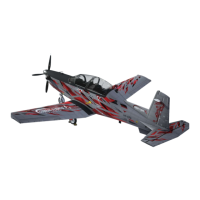
The T-6B Texan II is the result of a collaborative effort between Beechcraft (now
part of Textron Aviation) and the Raytheon Company, which later became part of
Raytheon Technologies. It was developed as part of the Joint Primary Aircraft
Training System (JPATS) program, a cooperative effort between the USAF and USN
to streamline pilot training.
Key Features:
Design: The T-6B Texan II sports a robust and modern design. Its single turboprop
engine provides reliable and efficient power, while its tandem seating arrangement
allows for a student pilot and instructor to fly together. The aircraft's design
emulates the feel and handling of high-performance military aircraft, preparing
trainees for more advanced stages of their pilot training.
Performance: Powered by a Pratt & Whitney Canada PT6A-68 turboprop engine, the
T-6B can achieve a top speed of approximately 320 knots (370 mph) and a
maximum altitude of over 31,000 feet. This performance range allows trainees to
experience a wide array of flight conditions, including high-speed flight and low-
level navigation.
Avionics: The T-6B Texan II is equipped with advanced avionics, including a glass
cockpit with a modern heads-up display (HUD) and hands-on throttle and stick
(HOTAS) controls. This technology mirrors what trainees will encounter in
contemporary military aircraft.
Training Capabilities: The T-6B is an excellent platform for basic flight training,
instrument flying, and navigation exercises. It introduces trainees to critical skills
such as aerobatics, formation flying, and advanced cockpit management.
Additionally, the aircraft is adaptable for simulated weapons training.
ROLE IN MILITARY TRAINING
The T-6B Texan II plays a pivotal role in the initial training stages for prospective
military pilots. Its capabilities make it an ideal choice for training pilots who may
later transition to jet-powered aircraft. The aircraft's inclusion in the training
pipeline ensures that new aviators receive a solid foundation before moving on to
more advanced and specialized aircraft, enhancing safety and performance in
military aviation.


 To Next Page