I A P 2 0 2 3 . 0 0 1 - A F M / I R I S T E X A N I I P A G E | 32
FOR SIMULATION USE ONLY – NOT A TRAINING AID
PMU Inoperative (Manual Mode)
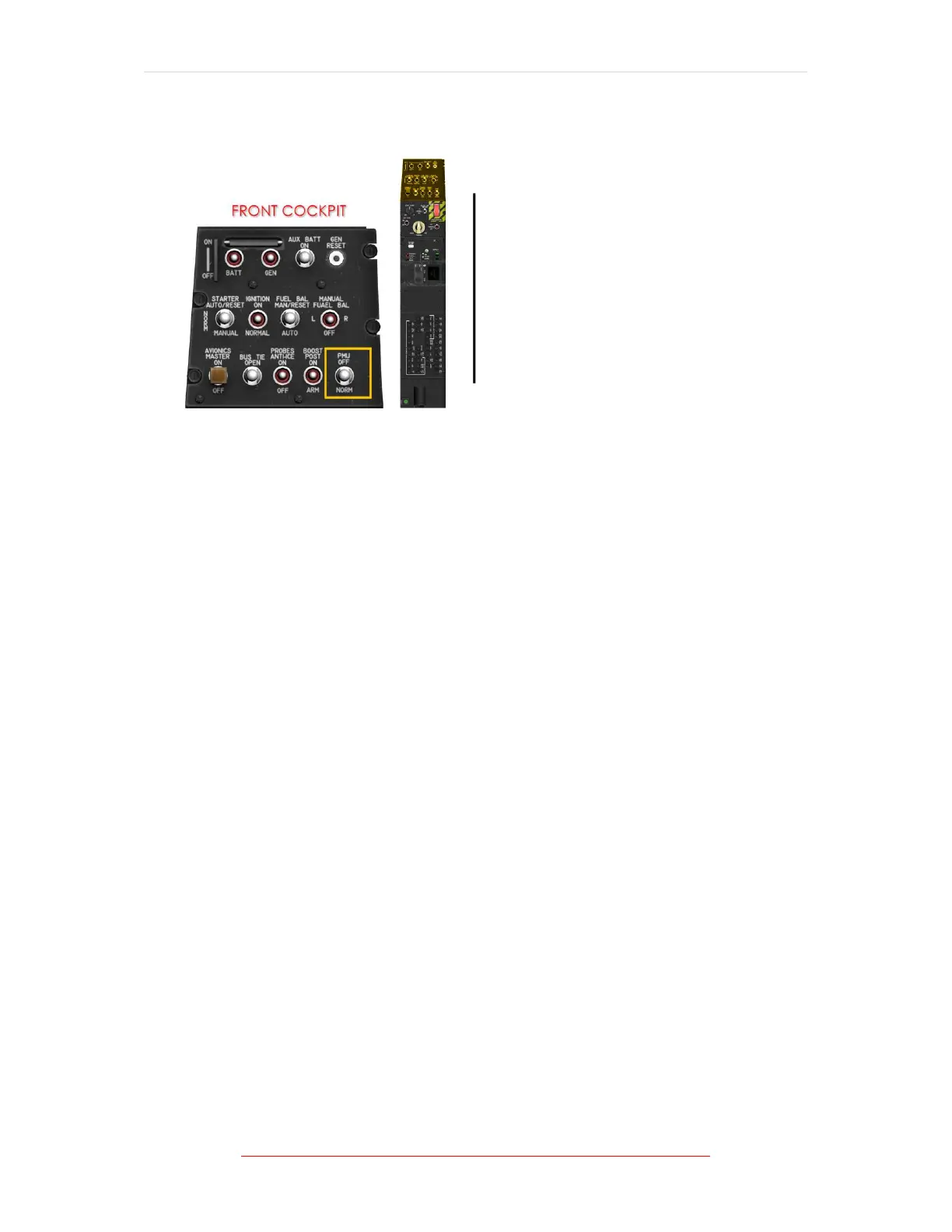
Figure 1-10 Power Management Unit (PMU) Switch Location
The PMU is continually self-monitoring, identifying, and accommodating many
faults. If faults prevent the PMU from setting the requested power or respecting
engine limits, or the pilot switches the PMU OFF, the system will revert to the
manual mode.
Illumination of both the PMU FAIL warning and PMU STATUS caution on the EICAS
indicates the system is in manual mode. A step change in engine power may occur,
but the transition is smooth and easily controllable. This step change will normally
be to a lower power condition, except at low altitude cold conditions when a power
increase can occur.
The maximum increase in power is 280 shp, and the maximum decrease in power is
550 shp. No step change in NP occurs since the over-speed governor is
automatically reset to 100%.
In manual mode, the PCL schedules fuel directly to the engine through the FMU and
the pilot must exercise care to ensure N1, temperature, and torque limits are not
exceeded. Engine acceleration and deceleration characteristics are essentially
unchanged with the PMU OFF; however, care must be exercised to avoid exceeding
engine limits.
Since the propeller is operating on the over-speed governor, a torque surge can be
expected any time the propeller is accelerated to governing speed from a low
power setting, such as a take-off roll or a go-around.
The PMU STATUS caution illuminates 1 minute after landing (weight-on-wheels
activation) if fault conditions that are not serious enough to revert the system to
manual are encountered in flight.


 To Next Page