This manual describes the Manitou Mattoc fork, a suspension component designed for bicycles, focusing on its travel adjustment and assembly procedures. The Mattoc fork is intended to provide suspension for mountain bikes, enhancing ride comfort and control over varied terrain.
Function Description:
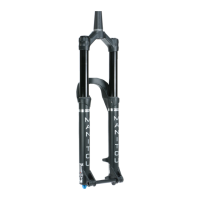
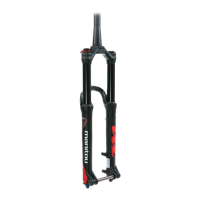
The Manitou Mattoc fork is a high-performance bicycle suspension fork. Its primary function is to absorb shocks and vibrations from the ground, providing a smoother ride, improved traction, and better control for the rider. The fork achieves this through an internal damping system and air springs, which can be adjusted to suit different rider weights, riding styles, and terrain conditions. The travel adjustment feature allows riders to modify the effective suspension travel of the fork, adapting it for specific wheel sizes (26" or 27.5") and desired ride characteristics. This internal adjustment mechanism is crucial for optimizing the bike's geometry and performance for various applications, from aggressive trail riding to more technical downhill sections. The fork's design incorporates an air valve for pressurization, a rebound damper to control the speed at which the fork extends after compression, and a compression rod assembly that houses the travel spacers.
Usage Features:
The Mattoc fork offers several features that allow for customization and optimal performance:
- Travel Adjustment: The core feature detailed in this manual is the ability to adjust the fork's travel. For 26" forks, achievable travels include 140mm, 150mm, 160mm, and 170mm. For 27.5" forks, the available travels are 140mm, 150mm, and 160mm. This adjustment is performed by adding or removing specific travel spacers on the compression rod assembly. A key distinction is made for 27.5" forks, where a bottom spacer on the compression rod is explicitly marked "DO NOT REMOVE!" to maintain proper tire clearance from the crown and prevent serious injury or death. This highlights the importance of following the instructions carefully to ensure safe operation and prevent damage to the bike or rider.
- Rebound Damper Knob: The fork is equipped with a rebound damper knob, which allows the rider to externally adjust the rebound speed. This knob is removed during disassembly for travel adjustment and reinstalled during assembly. Proper adjustment of the rebound damping is essential for controlling how quickly the fork returns to its extended position after absorbing a bump, preventing a "pogo stick" effect and maintaining tire contact with the ground.
- Air Valve: An air valve on the compression rod allows for the fork's air chamber to be pressurized using a shock pump. This air pressure acts as the spring mechanism, and its adjustment is critical for setting the fork's sag and overall stiffness, tailored to the rider's weight and preferences. The manual emphasizes the importance of releasing all air pressure before disassembly to prevent serious injury or death, underscoring a critical safety protocol.
- Compatibility: The manual specifies travel adjustments for both 26" and 27.5" wheel sizes, indicating the fork's versatility across different bicycle setups. It also notes that converting the fork from one wheel size to another is a separate procedure covered in the Mattoc Service Guide, implying that the fork itself is adaptable to different wheel standards.
Maintenance Features:
The manual outlines a detailed procedure for internal travel adjustment, which inherently involves several maintenance-related steps:
- Disassembly and Reassembly: The guide provides step-by-step instructions for disassembling the fork, including removing the air valve cap, rebound damper knob, compression rod, and air cap. Reassembly involves reversing these steps, with specific torque values and lubrication requirements. This detailed process enables riders or mechanics to perform internal adjustments and maintenance.
- Lubrication: The use of Slickoleum™ grease is specified for the air piston seal, glide ring, and dust seals. This lubrication is crucial for reducing friction, ensuring smooth operation of the suspension, and extending the lifespan of the seals. Applying a liberal amount of grease into the stanchion on top of the compression rod air piston is also recommended during reassembly.
- Semi-bath Oil: The manual instructs on inserting Manitou Semi-bath oil into each side of the casting during reassembly. Specific volumes are provided: 7cc's for Mattoc and 15cc's for Magnum models. This oil lubricates the lower leg bushings and seals, further contributing to smooth fork action and protection against wear.
- Specialized Tools: The procedure requires a range of specialized tools, including the Mattoc Service Tool Kit (containing an 8mm Thin Wall Socket, Cassette Tool, and Flat Ground 24mm Socket), various Allen wrenches (2mm, 3mm, 4mm, 8mm), a torque wrench, safety glasses, nitrile gloves, and lint-free rags. The necessity of these tools underscores the precision required for proper maintenance and adjustment, and the importance of using the correct tools to avoid damage.
- Safety Warnings: Throughout the manual, prominent warnings are given regarding the importance of professional service, the dangers of preloaded springs, gases, and fluids under pressure, and the critical need to release air pressure before disassembly. These warnings are integral to the maintenance process, ensuring the safety of the individual performing the work and the integrity of the fork.
- Torque Specifications: Specific torque values are provided for tightening the compression rod end cap (60-80 in lbs. [6.8-9.0 Nm]), the air cap (60-80 in lbs. [6.8-9.0 Nm]), the rebound damper rod (30-40 in lbs. [3.5-4.5 Nm]), and the rebound damper adjust knob (4-6 in lbs. [0.5-0.7 Nm]). Adhering to these torque specifications is vital for ensuring that components are securely fastened without being over-tightened, which could lead to damage or failure.
- Air Pressure Setup: After reassembly, the manual directs the user to pressurize the air chamber using a shock pump and consult the Mattoc set-up guide (available online) for optimum PSI settings. This final step is crucial for tuning the fork to the rider's specific needs and ensuring it performs as intended.
In summary, the Manitou Mattoc fork is a sophisticated bicycle suspension component designed for adjustable performance and durability. Its travel adjustment mechanism, coupled with precise assembly and lubrication procedures, allows for a highly customizable riding experience. The emphasis on specialized tools, torque specifications, and safety warnings highlights the technical nature of its maintenance, recommending professional service to ensure optimal function and rider safety.

 Need help?
 General


 To Next Page