188
SECTION 7
Chemical Resistance of the Antennas and RF Tags
RFID System
User's Manual
SECTION 7
Appendices
Applicable Models
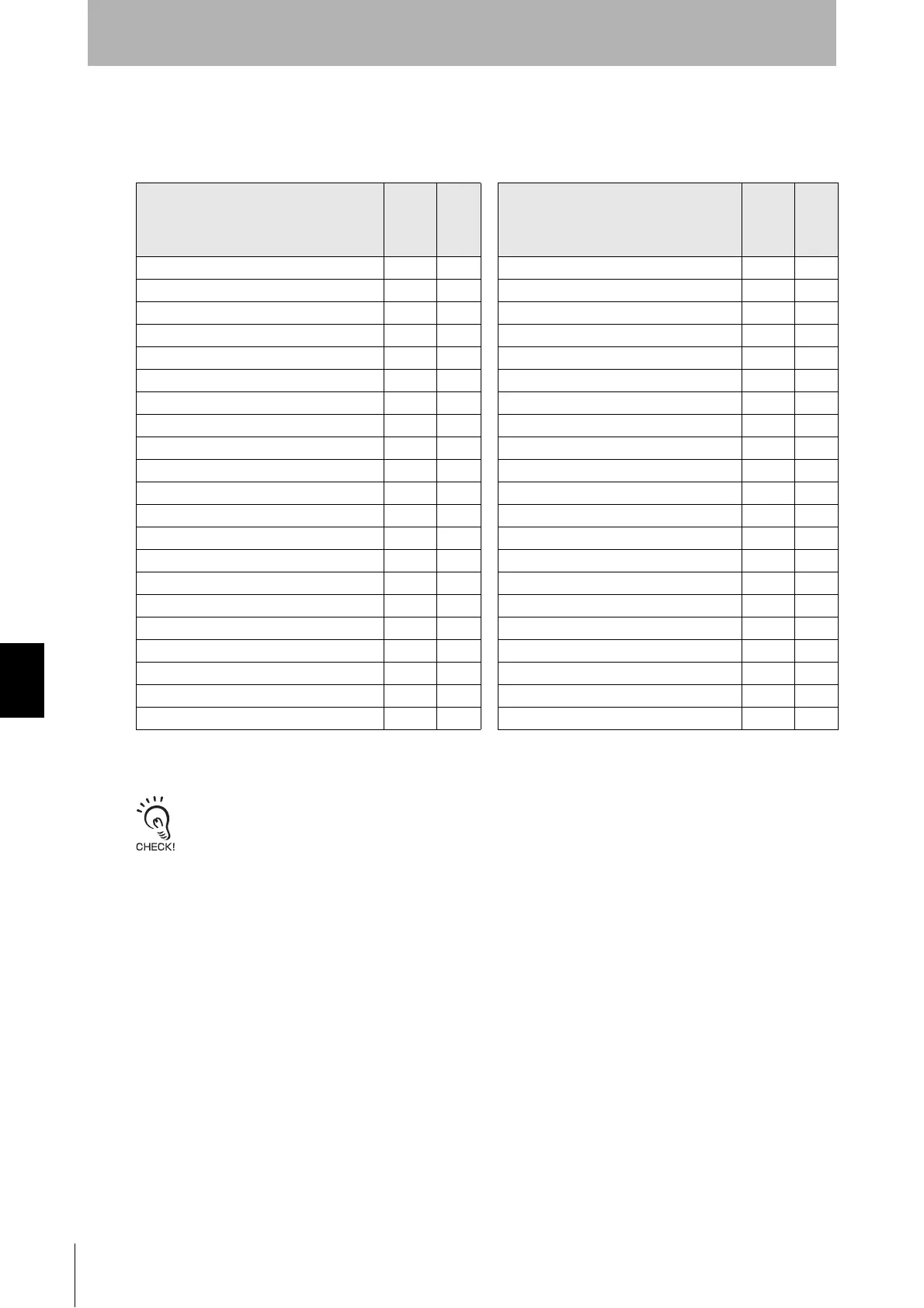
The above table shows the extent of changes in PPS resin exposed to each chemical at room temperature and at 90C.
If actual chemicals, concentrations, and temperatures are different from those shown in the tables, always conduct tests
under the actual conditions in which the RF Tags are to be used.
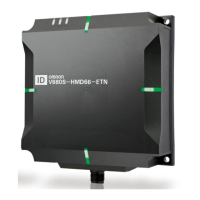
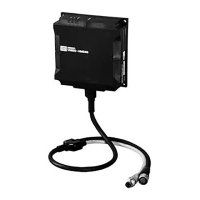
V680-D1KP66T, V680-D1KP66MT, V680S-D2KF67, V680S-D2KF67M, V680S-D2KF68, V680S-
D2KF68M, V680S-D8KF67, V680S-D8KF67M, V680S-D8KF68, and V680S-D8KF68M
Chemical
At room
tem-
pera-
ture
90C Chemical
At room
tem-
pera-
ture
90C
Hydrochloric acid 37% A A Sodium hypochlorite solution A A
10% A A Phenol solution 5% A A
Sulfuric acid 98% A B Glacial acetic acid A A
50% A A Acetic acid A A
30% A A Oleic acid A A
3% A A Methyl alcohol 95% A A
Nitric acid 60% B C Ethyl alcohol 95% A A
40% A B Ethyl acetate A A
10% A A Sebacic acid diethylhexyl A A
Hydrogen fluoride solution 40% A A Acetone A A
Chromic acid 40% A A Diethyl ether A A
Hydrogen peroxide solution 28% A B n-heptane A A
3% A A 2-2-4 trimethylpentane A A
Sodium hydroxide solution 60% A A Benzene A A
10% A A Toluene A A
1% A A Aniline A A
Ammonia solution 28% A B Mineral oil A A
10% A B Gasoline A A
Sodium chloride 10% A A Insulating oil A A
Sodium carbonate 20% A A Dichloroethylene A A
2% A A Carbon tetrachloride A A
A: Has no adverse effect, B: May cause discoloration, swelling, etc., C: Causes deformation, cracks, etc.


 To Next Page