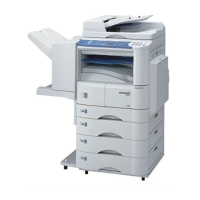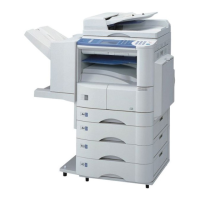
What to do if my Panasonic Workio DP-8020 has no polling capability at the remote side?
- JJeffrey AguirreSep 4, 2025
If the remote side has no polling capability with your Panasonic Copier, ask the remote side to set 'POLLED=ON'.
What to do if my Panasonic Workio DP-8020 has no polling capability at the remote side?
If the remote side has no polling capability with your Panasonic Copier, ask the remote side to set 'POLLED=ON'.
What to do if during initial handshake, receiving station did not respond or communication error occurred on my Panasonic Copier?
If, during the initial handshake, the receiving station did not respond or a communication error occurred on your Panasonic Copier: 1. Check with the other party. 2. Reload the document and send again.
What to do if the communication aborted by the transmitting side on my Panasonic Workio DP-8020?
If communication is aborted by the transmitting side on your Panasonic Copier, check with the other party.
What to do if the remote side confirmation of previous page is illegible on my Panasonic Copier?
If the remote side confirmation of the previous page is illegible on your Panasonic Copier, wait a few minutes and send again.
What to do if the remote station required a Receiving Password to receive the document on my Panasonic Workio DP-8020?
If the remote station requires a Receiving Password to receive the document on your Panasonic Copier, check the remote station.
What to do if my Panasonic Workio DP-8020 has no data from the transmitting side?
If there is no data from the transmitting side on your Panasonic Copier, check with the other party.
What to do if my Panasonic Workio DP-8020 Copier interface is incompatible?
If the interface is incompatible with your Panasonic Copier, check with the other party.
What to do if my Panasonic Workio DP-8020 received data has too many errors?
If the received data has too many errors on your Panasonic Copier, check with the other party.
What to do if my Panasonic Copier has no confirmation from the receiving station for the previous page sent?
If there is no confirmation from the receiving station for the previous page sent by your Panasonic Copier, wait a few minutes and try sending again.
What to do if my Panasonic Workio DP-8020 document is misfeeding?
If your Panasonic Copier document is misfeeding, try the following: 1. Reload the document properly. 2. Remove any document jams. 3. Adjust the ADF (Automatic Document Feeder).
Overview of basic machine functions like Copy, Scan, Print, and Fax/Email.
Visual guide to fundamental operations and key functions of the machine.
Instructions on how to change and configure different operating modes of the machine.
Details on how to connect essential cables for network and telephone line connections.
Important safety instructions to follow when operating the equipment to prevent hazards.
Explanation of the function and purpose of each button and indicator on the control panel.
Procedures for sending documents via fax, including memory, direct, and scheduled transmissions.
Methods for receiving fax documents automatically, manually, or with duplex capabilities.
Setting up deferred transmissions and polling for scheduled fax operations.
Grouping documents for batch transmission and retrieving documents via polling.
Setting up program keys for group dialing, deferred transmission, and one-touch functions.
Essential information and features before setting up the machine on a network for Internet faxing.
Details on transmission/reception, delivery notices, direct SMTP, and mail reception.
Configuring basic and user-specific parameters for network and email communication.
Methods for addressing emails manually or using directory search functions.
Procedures for receiving faxes and emails from POP servers or directly on a PC.
Features for sending, receiving, storing, printing, and deleting confidential fax documents securely.
Using sub-addressing for routing and customizing fax cover sheets for transmissions.
Setting up password transmission/reception and PIN code access for security.
Storing received documents securely and receiving faxes from specific stations.
Setting, changing, and using department codes for tracking and sorting transmissions.
Managing stored fax documents, including printing lists, editing, and retrying incomplete files.
Enabling or disabling notifications to the destination upon successful fax transmission.
Configuring inbound routing, relay transmission, and sender selection for Internet fax.
Setting the dialing method (tone/pulse) and adjusting monitor and ringer volumes.
Setting user-specific parameters like date, time, logo, character ID, and telephone number.
Entering and managing one-touch and abbreviated dialing numbers and email addresses.
Overview and procedure for setting various fax parameters that control machine behavior.
Setting and operating the machine with an access code to prevent unauthorized use.
Information on printing and viewing the record of the last 200 fax transactions.
Verifying the success or failure of fax transmissions and polling operations.
Printing the list of stored telephone numbers and email addresses for quick reference.
Printing the programmed dialing patterns for program keys, available with keyboard option.
Printing the current fax parameter settings for reference or troubleshooting.
A table listing common problems, symptoms, causes, actions, and corresponding page numbers.
Listing of information codes displayed on the machine and their meanings for problem identification.
Specific error messages related to email and ABBR programming, with causes and actions.
Instructions for checking, replacing, or refilling the verification stamp.
Detailed technical specifications of the G3 Facsimile machine and Internet Fax capabilities.
FCC notices for users in the USA and Canada regarding equipment standards and safety.
Alphabetical listing and definitions of technical terms used throughout the manual.
Overview of basic machine functions like Copy, Scan, Print, and Fax/Email.
Visual guide to fundamental operations and key functions of the machine.
Instructions on how to change and configure different operating modes of the machine.
Details on how to connect essential cables for network and telephone line connections.
Important safety instructions to follow when operating the equipment to prevent hazards.
Explanation of the function and purpose of each button and indicator on the control panel.
Procedures for sending documents via fax, including memory, direct, and scheduled transmissions.
Methods for receiving fax documents automatically, manually, or with duplex capabilities.
Setting up deferred transmissions and polling for scheduled fax operations.
Grouping documents for batch transmission and retrieving documents via polling.
Setting up program keys for group dialing, deferred transmission, and one-touch functions.
Essential information and features before setting up the machine on a network for Internet faxing.
Details on transmission/reception, delivery notices, direct SMTP, and mail reception.
Configuring basic and user-specific parameters for network and email communication.
Methods for addressing emails manually or using directory search functions.
Procedures for receiving faxes and emails from POP servers or directly on a PC.
Features for sending, receiving, storing, printing, and deleting confidential fax documents securely.
Using sub-addressing for routing and customizing fax cover sheets for transmissions.
Setting up password transmission/reception and PIN code access for security.
Storing received documents securely and receiving faxes from specific stations.
Setting, changing, and using department codes for tracking and sorting transmissions.
Managing stored fax documents, including printing lists, editing, and retrying incomplete files.
Enabling or disabling notifications to the destination upon successful fax transmission.
Configuring inbound routing, relay transmission, and sender selection for Internet fax.
Setting the dialing method (tone/pulse) and adjusting monitor and ringer volumes.
Setting user-specific parameters like date, time, logo, character ID, and telephone number.
Entering and managing one-touch and abbreviated dialing numbers and email addresses.
Overview and procedure for setting various fax parameters that control machine behavior.
Setting and operating the machine with an access code to prevent unauthorized use.
Information on printing and viewing the record of the last 200 fax transactions.
Verifying the success or failure of fax transmissions and polling operations.
Printing the list of stored telephone numbers and email addresses for quick reference.
Printing the programmed dialing patterns for program keys, available with keyboard option.
Printing the current fax parameter settings for reference or troubleshooting.
A table listing common problems, symptoms, causes, actions, and corresponding page numbers.
Listing of information codes displayed on the machine and their meanings for problem identification.
Specific error messages related to email and ABBR programming, with causes and actions.
Instructions for checking, replacing, or refilling the verification stamp.
Detailed technical specifications of the G3 Facsimile machine and Internet Fax capabilities.
FCC notices for users in the USA and Canada regarding equipment standards and safety.
Alphabetical listing and definitions of technical terms used throughout the manual.
| Type | Digital Copier |
|---|---|
| Functions | Copy, Print, Scan |
| Printing Technology | Laser |
| Print Resolution | 600 x 600 dpi |
| Copy Resolution | 600 x 600 dpi |
| Scan Resolution | 600 x 600 dpi |
| Paper Capacity | 250 sheets |
| Warm-Up Time | 30 seconds |
| Max Document Enlargement | 400% |
| Max Document Reduction | 25% |
| Automatic Duplexing | No |
| Maximum Paper Size | A3 |
| Copy Magnification | 25% - 400% |
| Print Speed | 20 pages per minute |
| Connectivity | USB |
| Copy Speed | 20 copies per minute |
Loading...