10 SEBU8605-01
Safety Section
Burn Prevention
Perkins replac
ement parts that are shipped from
Perkins are asbestos free. Perkins recommends
the use of only genuine Perkins replacement parts.
Use the follow
ing guidelines when you handle any
replacement parts that contain asbestos or when you
handle asbestos debris.
Use caution. Avoid inhaling dust that might be
generated when you handle components that contain
asbestos fib
ers. Inhaling this dust can be hazardous
to your health. The components that may contain
asbestos fibers are brake pads, brake bands, lining
material, c
lutch plates, and some gaskets. The
asbestos that is used in these components is usually
boundinaresinorsealedinsomeway.Normal
handling i
s not hazardous unless airborne dust that
contains asbestos is generated.
If dust tha
t may contain asbestos is present, there
are several guidelines that should be followed:
•
Never use
compressed air for cleaning.
•
Avoid brushing materials that contain asbestos.
•
Avoid grinding materials that contain asbestos.
•
Use a wet
method in order to clean up asbestos
materials.
•
A vacuum
cleaner that is equipped with a high
efficiency particulate air filter (HEPA) can also be
used.
•
Use exhaust ventilation on permanent machining
jobs.
•
Wear an approved respirator if there is no other
way to control the dust.
•
Comply with applicable rules and regulations
for the work place. In the United States, use
Occu
pational Safety and Health Administration
(OSHA) requirements. These OSHA requirements
can be found in “29 CFR 1910.1001”.
•
Obey environmental regulations for the disposal
of asbestos.
•
Stay away from areas that might have asbestos
particles in the air.
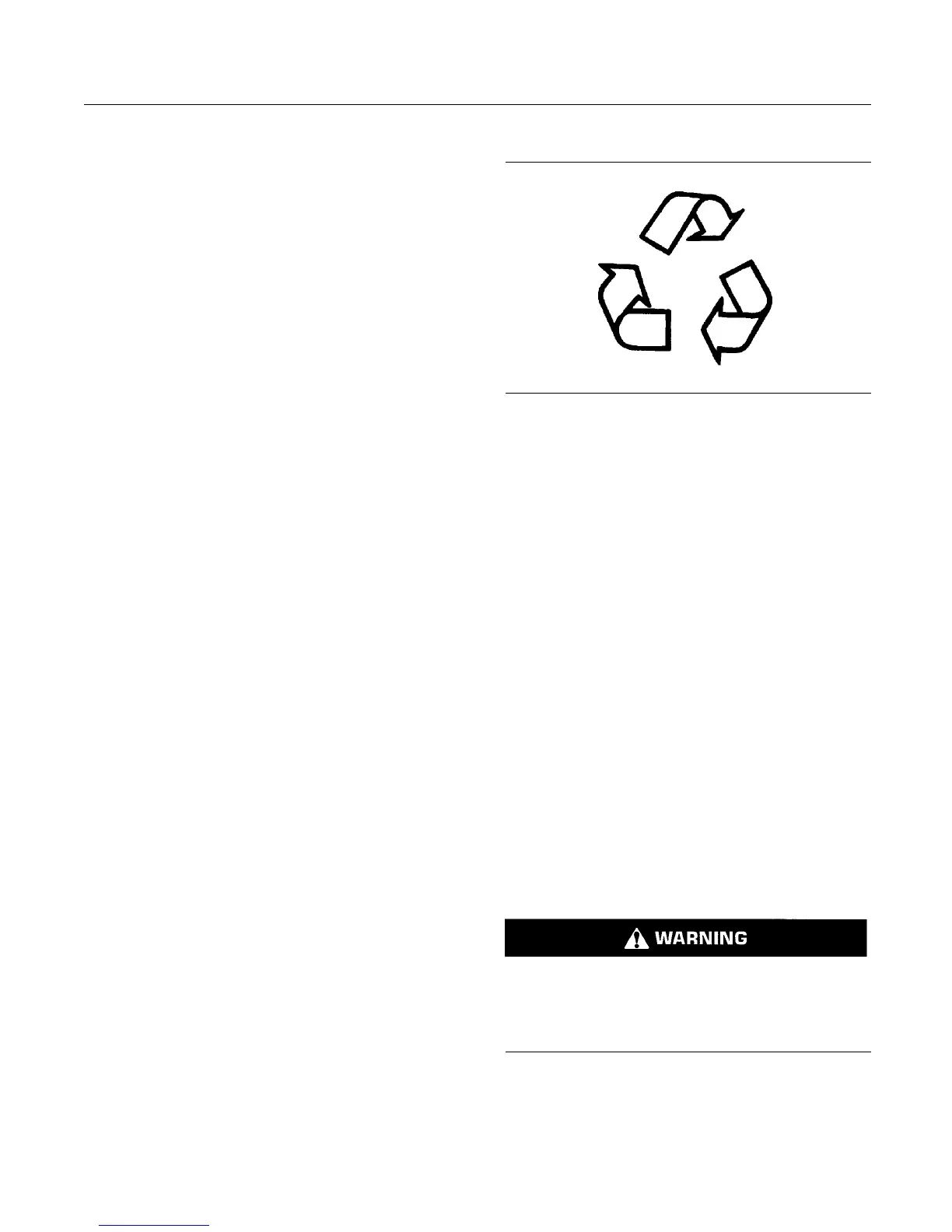
Dispose of Waste Properly
g0070640
4
Illustration 10
Improperly disposing of waste can threaten the
environment. Potentially harmful fluids should be
dispose
d of according to local regulations.
Always use leakproof containers when you drain
fluids. D
o not pour waste onto the ground, down a
drain, or into any source of water.
i04224009
Burn Prevention
Do not touch any part of an operating engine
system. The engine, the exhaust, and the engine
aftertreatment system surface temperatures can
reach temperatures of approximately 600° C
(1112 ° F) under normal operating conditions.
Allow the engine system to cool before any
maintenance is performed.
Relieve all pressure in the following systems,
hydraulic system, lubrication system, fuel system,
and the coolant system before the related items are
disconnected.
Contact with high pressure fuel may cause fluid
penetration and burn hazards. High pressure fu-
el spray may cause a fire hazard. Failure to fol-
low these inspection, maintenance and service in-
structions may cause personal injury or death.
After the engine has stopped, you must wait for 10
minutes in order to allow the fuel pressure to be
purged from the high-pressure fuel lines before any
service or repair is performed on the engine fuel lines.




 To Next Page