S9XB-SVX001-1D-EN
39
Attaching Vent Piping
VENT FITTING MATERIAL – PLASTIC
Gas and liquid tight single wall vent fittings, designed for resistance to corrosive flue condensate, MUST be used throughout.
Listed in the Approved Vent Pipe Materials table are designations for different types of 2" and 3" size pipe and fittings that meet these
requirements. The materials listed are various grades of PVC, CPVC, ABS, PolyPro® by DuraVent , Z-Dens by Novaflex Group, Innoflue® by
Centrotherm, ECCO™ polypropylene venting system, and PolyFlue™ polypropylene venting systems.
ATTACHING VENT PIPING
Important: Products installed in Canada must use vent systems that are certified to the Standard for Type BH Gas Venting Systems (ULC S636)
for Class II-A venting systems (up to 65°C). Components of the vent system must not be interchanged with other vent systems or
unlisted pipe or fittings. Plastic components, specified primers, and glues must be from a single system manufacturer and not
intermixed with other system manufacturer's vent system parts. In addition, the first three feet of the vent pipe must be visible for
inspection.
PIPE JOINTS: All joints must be fastened and sealed per manufacturer instructions and local and national codes to prevent escape of combustion
products into the building.
MANUFACTURED MODULAR VENTING SYSTEMS
WWAARRNNIINNGG
CCAARRBBOONN MMOONNOOXXIIDDEE PPOOIISSOONNIINNGG
HHAAZZAARRDD!!
FFaaiilluurree ttoo ffoollllooww tthhiiss WWaarrnniinngg mmaayy rreessuulltt iinn pprrooppeerrttyy
ddaammaaggee,, sseevveerree ppeerrssoonnaall iinnjjuurryy,, oorr ddeeaatthh..
SSeeee tthhee AApppprroovveedd VVeenntt PPiippee MMaatteerriiaallss ttaabbllee ffoorr
mmaannuuffaaccttuurreedd mmoodduullaarr vveennttiinngg ssyysstteemmss tthhaatt aarree
aapppprroovveedd ffoorr uussee wwiitthh tthhiiss pprroodduucctt.. FFoollllooww tthhee
mmaannuuffaaccttuurreerr’’ss iinnssttaallllaattiioonn iinnssttrruuccttiioonnss wwhheenn
iinnssttaalllliinngg tthhee vveennttiinngg ssyysstteemm..
WWAARRNNIINNGG
CCAARRBBOONN MMOONNOOXXIIDDEE PPOOIISSOONNIINNGG
HHAAZZAARRDD!!
FFaaiilluurree ttoo ffoollllooww tthhiiss WWaarrnniinngg mmaayy rreessuulltt iinn pprrooppeerrttyy
ddaammaaggee,, sseevveerree ppeerrssoonnaall iinnjjuurryy,, oorr ddeeaatthh..
DDoo nnoott uussee cceemmeenntt oonn ppoollyypprrooppyylleennee vveennttiinngg
ssyysstteemmss.. FFoollllooww tthhee mmaannuuffaaccttuurreerr’’ss iinnssttaallllaattiioonn
iinnssttrruuccttiioonnss wwhheenn iinnssttaalllliinngg tthhee vveennttiinngg ssyysstteemm..
For manufactured modular venting systems that are approved with this product see PVC vent fitting material table. Do not drill into polypropelene
venting pipes
BONDING OF PVC
Note: It is recommended that the first joints from the Furnace be
connected and sealed with high temperature RTV. This will enable
the pipes to be removed later without cutting.
Be sure to properly support these joints.
Commercially available solvent cement for PVC must be used to join PVC
pipe fittings. Follow instructions on container carefully.
Pipe and Fitting – ASTM D1785, D2466, D2661, & D2665
PVC Primer and Solvent Cement – ASTM D2564
Procedure for Cementing Joints – Ref ASTM D2855
1. Cut pipe square, remove ragged edges and burrs. Chamfer end of
pipe, then clean fitting socket and pipe joint area of all dirt, grease,
moisture or chips.
2. After checking pipe and socket for proper fit, wipe socket and pipe
with cleaner-primer. Apply a liberal coat of primer to inside surface
of socket and outside of pipe.
DO NOT ALLOW PRIMER TO DRY BEFORE APPLYING CEMENT.
3. Apply a thin coat of cement evenly in the socket. Quickly apply a
heavy coat of cement to the pipe end and insert pipe into fitting with
a slight twisting movement until it bottoms out.
4. Hold the pipe in the fitting for 30 seconds to prevent tapered socket
from pushing the pipe out of the fitting.
5. Wipe all excess cement from the joint with a rag. Allow 15 minutes
before handling. Cure time varies according to fit, temperature and
humidity.
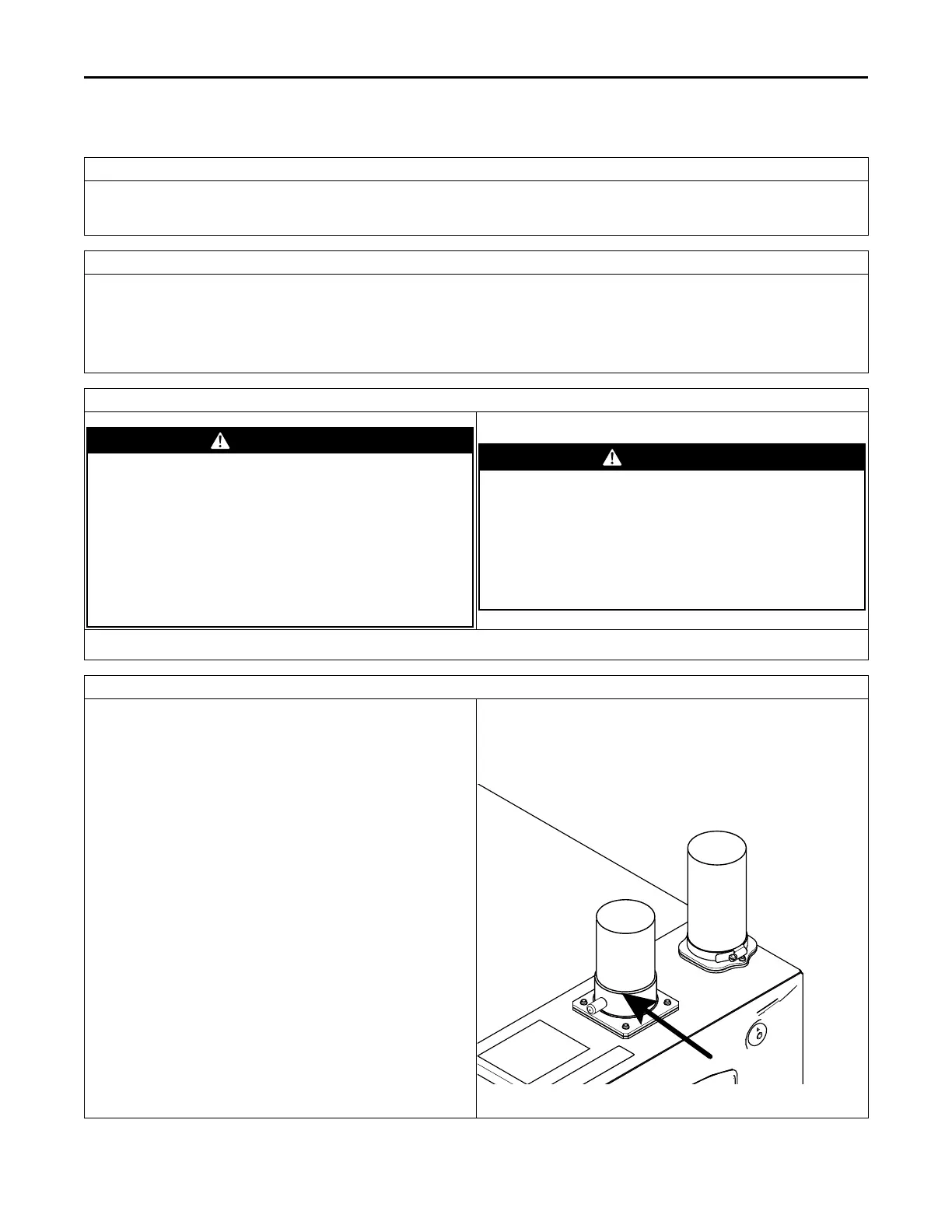
Connection of the pipe and collar of the combustion air inlet should just
be a friction fit. It is recommended that the inlet air joint be sealed with
RTV type sealant to allow the joint to be separated for possible future
service. The inlet and vent pipes must be properly supported throughout
the entire length.
Note: Follow venting instructions carefully when using PVC cement.
Important: All joints must be water tight. Flue condensate is somewhat
acidic, and leaks can cause equipment damage.
Seal INLET AIR PIPE
with RTV sealant
FFuurrnnaaccee GGeenneerraall IInnssttaallllaattiioonn



 To Next Page