3-2
15. If it is necessary to work on the boom or outriggers in an unstowed condition, block
them to prevent them from dropping unexpectedly.
16. Use a hoist when lifting components that weigh 50 pounds (23 kg) or more. Follow
all hoist and rigging safety rules.
17. Do not use lower grade fasteners if replacements are necessary.
18. When reinstalling wiring or plumbing after repairs, be sure that it will not be
damaged by rubbing against sharp, rough, or hot surfaces and/or edges.
19. Never use a rope clip on live side of the load hoist rope. This will seriously weaken
the rope. Death or serious injury can result from the use of a rope clip on the hoist
rope.
20. Replace any instruction or warning placards that are lost or damaged or not
readable.
21. Always replace all guards and covers after working on the crane.
22. After working on the hydraulic system, remove air from the lines and cylinders
involved by cycling them full stroke with the engine running until the functions
operate smoothly.
23. When welding on the crane or on anything connected to the crane by wire rope or
other conducting link, disconnect the battery, the Rated Capacity Limiter display &
computer, and the engine electronic control module (gas engine only). When
welding on the boom or turntable assembly, remove the cable reel and any other
electronic components bolted to these assemblies.
24. When using pressure spray to clean the crane, cover all electronic components with
sheets of plastic to protect them from spray.
25. Do not allow antifreeze to contact skin. Rinse off spills immediately with plenty of
water. Antifreeze is highly toxic if ingested.
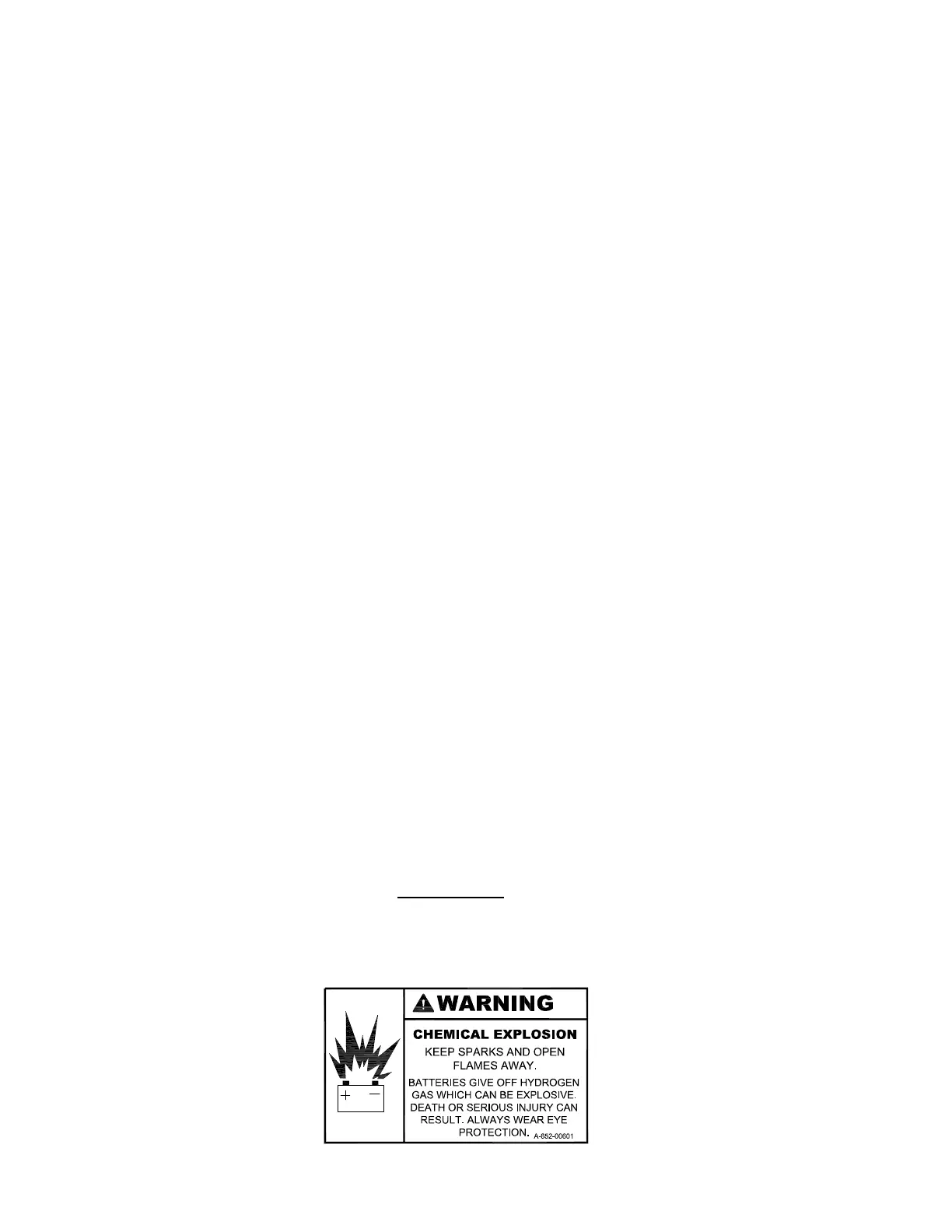
26. Always disconnect negative cable first and refasten last to prevent accidental short
through chassis components.
C A U T I O N
Even with low voltage electrical systems, severe arcing can occur. Electrical
shock or component damage can result from contact with energized conductors.
Use caution when working with any electrical device.



 To Next Page