IM 1059-12 LARGE VERTICAL WSHP 20 www.DaikinApplied.com
Water System Quality
The cleaning, ushing and chemical treatment of a water
source heat pump system is fundamental to efcient operation
and the life expectancy of the system.
Potential system problems produced by the use of water fall
into three general categories:
• Scale formation – Mineral deposits which result from the
crystallization and precipitation of dissolved salts in the
water. The deposits form an insulating barrier, reducing the
heat transfer rate and impeding the circulation of uids due
to increased pressure drop.
• Corrosion – Decomposition of the metal caused by
absorption of gases from the air. Corrosion may occur in
any metal component of the system.
• Organic growths – Slime and algae which form under
certain environmental conditions, and can reduce the
heat transfer rate by forming an insulating coating or can
promote corrosion by pitting.
The system water should be evaluated for degrees of impurity,
with testing available from independent testing labs, health
departments or state agencies.
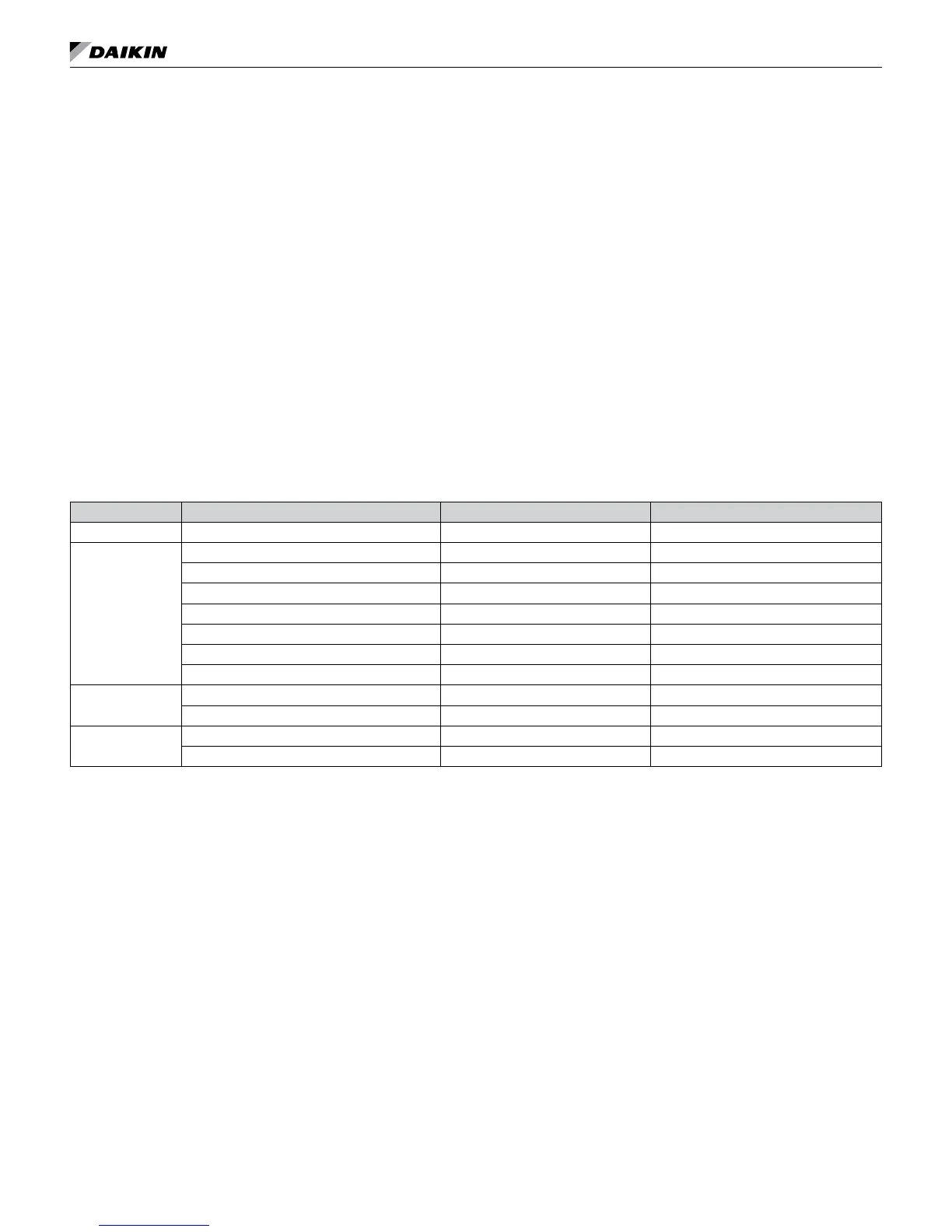
Table 3 is a list of water characteristics, the potential impurities
and their results and the recommended treatment.
Avoiding Potential Problems
As shown in Table 3, all water contains some degree of impuri-
ties which may affect the performance of a heat pump system.
The use of a cupro-nickel coil can help avoid potential prob-
lems. Water ow rates should:
• Be high enough that the temperature rise through the heat
exchanger does not exceed 10° F when operating in the
cooling mode.
• Not exceed 4 GPM per nominal ton. Flow rates that have
velocities of 10 feet per second or more may cause pipe
erosion and heat exchanger failure.
unit installation
Table 3: Water quality conditions & applications
Potential Problem Chemical(s) or Condition Range for Copper Heat Exchangers Range of Cupronickel Heat Exchanger
Scaling Calcium & Magnesium Carbonate Less than 350 ppm Less than 350 ppm
Corrosion
pH Range 7 – 9 5 – 9
Total Dissolved Solids Less than 1000 ppm Less than 1500 ppm
Ammonia, Ammonium Hydroxide Less than 0.5 ppm Less than 0.5 ppm
Ammonium Chloride, Ammonium Nitrate Less than 0.5 ppm Less than 0.5 ppm
Calcium Chloride/ Sodium Chloride Less than 125 ppm Less than 125 ppm - Note 4
Chlorine Less than 0.5 ppm Less than 0.5 ppm
Hydrogen Sulde None Allowed None Allowed
Biological Growth
Iron Bacteria None Allowed None Allowed
Iron Oxide Less than 1 ppm Less than 1 ppm
Erosion
Suspended Solids Less than 10 ppm Less than 10 ppm
Water Velocity Less than 8 ft./s Less than 12 ft./s
Notes: 1. Water hardness in ppm is equivalent to hardness in mg/L.
2. Grains/gallon = ppm divided by 17.1.
3. Copper and cupronickel heat exchangers are not recommended for pool applications for water outside the range
of the table. Secondary heat exchangers are required for applications not meeting the requirements shown above.
4. Salt water applications (approx. 25,000 ppm) require secondary heat exchangers due to copper piping between the heat
exchanger and the unit ttings.


 To Next Page