5
A-DV56
EN
introDuction
CAUTION– Do not place the IntelliPAP where it can be bumped onto the oor or where the
power cord may create a trip hazard.
CAUTION– Only the DeVilbiss DV5 series Heated Humidier system is recommended for use
with the IntelliPAP. Other humidier systems may prevent the device from
detecting snoring and may cause inappropriate pressure levels in the mask.
CAUTION– Oxygen is a prescription gas and should only be administered under the
supervision of a physician.
inTRoDUCTion
Intended Use/Indications for Use
The DeVilbiss
®
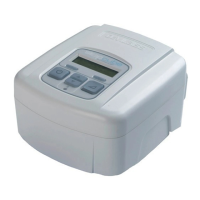
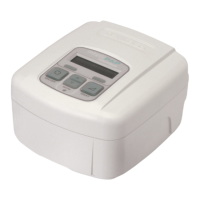
IntelliPAP™ Model DV5 Series is intended for use in treating obstructive
sleep apnea in patients 66 lbs/30 kg and above.
Contraindications
Positive airway pressure therapy may be contraindicated in some patients with the following
pre-existing conditions:
• severe bullous lung disease
• pneumothorax or pneumomediastinum
• pathologically low blood pressure, particularly if associated with intravascular volume
depletion
• dehydration
• cerebrospinal uid leak, recent cranial surgery or trauma
NOTE–
Symptoms of dryness of the throat, nasal passages, and the mouth are common with
positive airway pressure therapy. This is especially true in dry climates and during the
cold season when humidity in the air is typically lower than at other times. The
IntelliPAP features an optional humidier system to help minimize these effects.
What Is Obstructive Sleep Apnea (OSA)?
Obstructive Sleep Apnea (OSA) is a breathing disorder that affects more than 22 million
Americans – approximately 4% of middle-aged men and 2% of middle-aged women.
Physiological factors such as size of tonsils, shape of the nose, narrowing of the upper airway,
or any combination of these can contribute to the potential for having OSA. During sleep,
your airway can relax so much that it begins to collapse and becomes obstructed. Relaxation
allows the tissue at the back of your throat to vibrate as you breathe causing snoring. But as
your airway collapses more fully, it blocks your airow and stops your breathing altogether.
(In fact, the word “apnea” is derived from a Greek term meaning “without breath.”)



 To Next Page