emissions exhausted by the engine to the following
levels:
•
Nitrogen Oxides (NOx) – 0.2 g/bhp-hr
•
Particulate Matter (PM) – .01 g/bhp-hr
To meet EPA guidelines, engines that are compliant
with EPA10 and newer regulations use an ATS
where the exhaust first passes over the diesel
oxidation catalyst (DOC), then passes through the
diesel particulate filter (DPF), which traps soot
particles. The soot is burned to ash during a process
called regeneration (regen). A Selective Catalytic
Reduction (SCR) device is used to reduce NOx
downstream of the engine. After exhaust gases leave
the DPF, a controlled quantity of diesel exhaust fluid
(DEF) is injected into the exhaust stream. In the
presence of heat, DEF is converted to ammonia gas,
which reacts with NOx in the selective catalyst
chamber to yield nitrogen and water vapor, which exit
through the tailpipe.
Regeneration
The harder an engine works, the better it disposes of
soot. If the exhaust temperature is high enough, a
process called passive regeneration (regen) occurs
as the vehicle is driven normally. However, if the
engine isn’t running hot enough, the electronic
controls may initiate an active regen, whereby extra
fuel is injected into the exhaust stream to superheat
and reduce the soot trapped in the DPF to ash.
Active regen happens only when the vehicle is
moving above a certain speed, determined by the
engine manufacturer. See your engine operation
manual for complete details. Both active and passive
regen happen automatically, without driver input.
WARNING
Active regeneration can occur automatically
anytime the vehicle is moving. The exhaust gas
temperature could reach 1500°F (800°C), which is
hot enough to cause a fire, heat damage to
objects or materials, or personal injury to
persons near the exhaust outlet. The exhaust
temperature can remain high even after the
vehicle has stopped. When stopping the vehicle
shortly after an automatic regen, ensure the
exhaust outlets are directed away from
structures, vegetation, flammable materials, and
anything else that may be harmed by exposure to
high heat.
See Regen Operations, below, for instructions on
preventing automatic regen if necessary.
When operating conditions do not allow for ATD filter
cleaning by active or passive regen, the vehicle may
require a driver-activated parked regen. When this
occurs, the driver display screen presents a message
indicating that a regen is required. See
Fig. 13.2.
The driver must either bring the vehicle up to
highway speed to increase the load (thus starting an
active regen), or park the vehicle and initiate a
parked regen. See Regen Operations, below, for
instructions on initiating a parked regen.
Regen Operations
Parked regen is initiated by selecting OK when the
driver display screen shows ’Parked Regen
Required.’ See
Fig. 13.2. If the vehicle is equipped
with the optional digital STOP REGEN switch, parked
regen can be stopped by pressing OK on the screen
while the regen is in progress. See
Fig. 13.2.
Some vehicles may be equipped with a REGEN OFF
physical switch. See
Fig. 13.3. To stop a regen in
progress or prevent the start of a regen, press the
lower half of the switch. Regen is then delayed until
the switch is no longer active.
NOTE: Parked regen can be initiated only when
the DPF lamp is illuminated.
WARNING
During parked regen, exhaust temperatures are
very high and could cause a fire, heat damage to
objects or materials, or personal injury to
persons near the exhaust outlet.
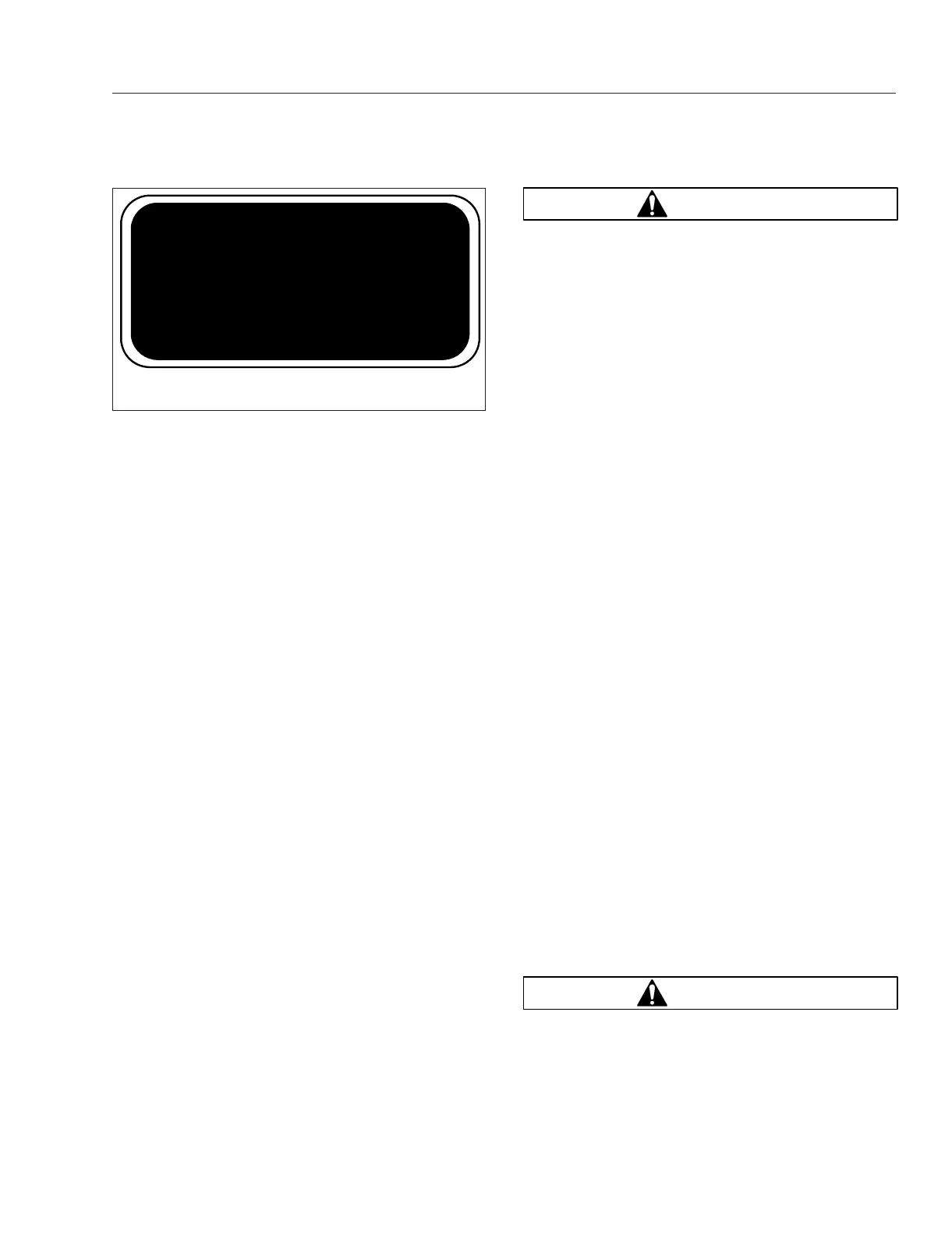
f08020306/11/2018
USA DIÉSEL CON
50 PPM MÁXIMO
DE AZUFRE
24-01472-002
(Use diesel with a maximum sulfur content of 50 ppm)
Fig. 13.1, Euro V Engine Label (Detroit engine label
shown)
Emissions
13.2


 To Next Page