Greenhouse Gas Emissions
and Fuel Consumption
Standards
Model year 2007 and later vehicles and/or engines
domiciled in the U.S. or Canada are designed to
meet Emission and Fuel Efficiency Standards of the
U.S. (Federal) Environmental Protection Agency
(EPA), the National Highway Traffic Safety
Administration (NHTSA), Emission Regulations under
the Canada Motor Vehicle Safety Act in Canada, and
the California Air Resources Board (CARB) effective
as per the applicable emission model year. See
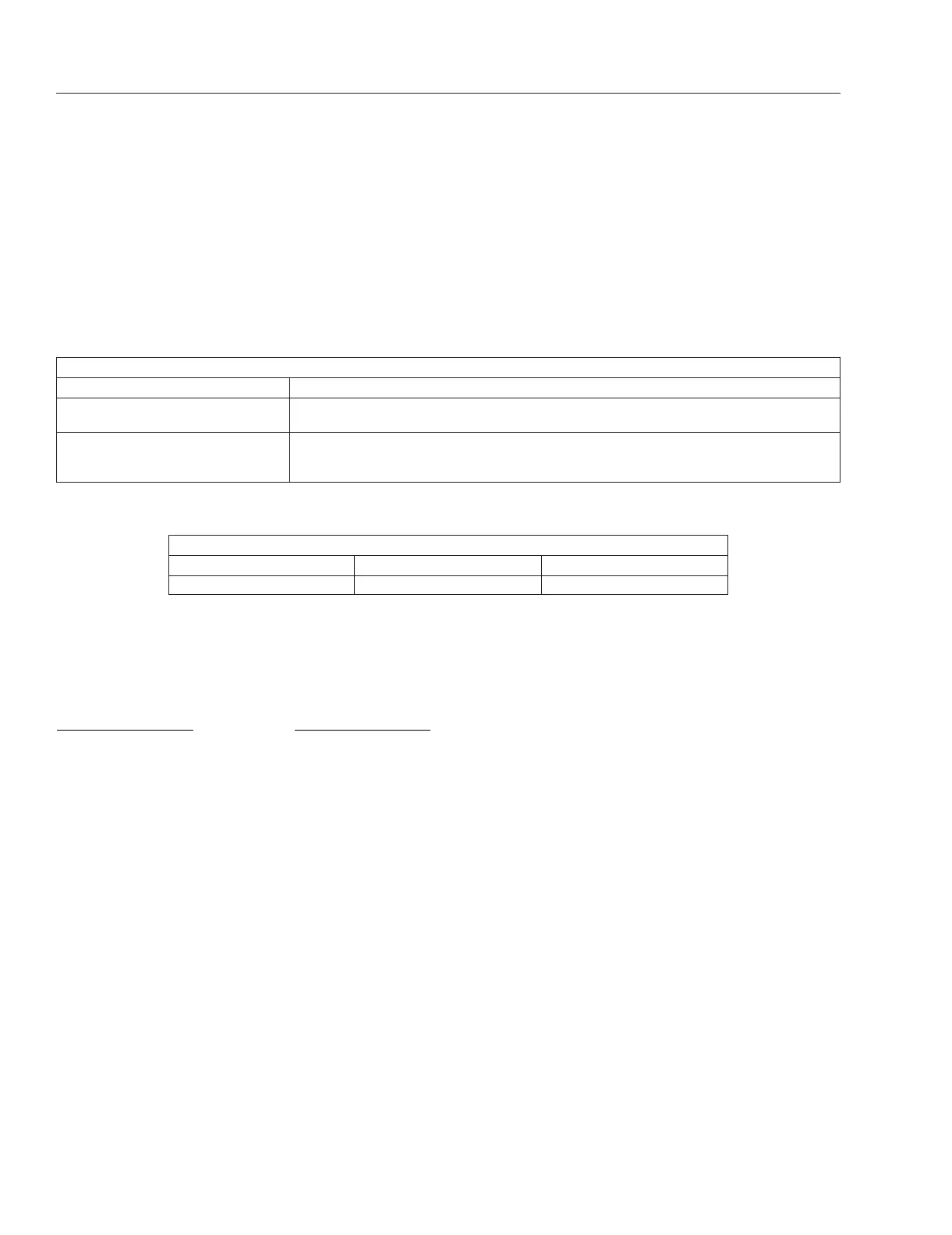
Table 13.1 and Table 13.2 for EPA regulations. To
determine an engine’s or vehicle’s emission model
year, refer to the respective EPA/CARB certification
label.
EPA Regulations
Regulation Emissions Components
EPA10 (Reduction of NOx
emissions to 0.2 g/bhp-hr)
EPA07-type ATD, with additional selective catalyst reduction (SCR) technology that
utilizes diesel exhaust fluid (DEF) to convert NOx to nitrogen and water vapor.
GHG21
GHG14/17 components plus additional components including, but not limited to,
transmissions, axles, predictive technologies, idle reduction technologies for
vocational vehicles, tire pressure monitoring systems.
Table 13.1, EPA Regulations
Emission Regulations by Model Year
Model Year Engine Regulation GHG Regulation
2021–and later EPA10, GHG21 GHG21
Table 13.2, Emission Regulations by Model Year
EPA-Regulated Emissions
Aftertreatment Systems
NOTICE
Follow these guidelines for engines that comply
with EPA07 or newer regulations, or damage may
occur to the Aftertreatment System (ATS) and the
warranty may be compromised.
•
Use ultralow-sulfur diesel with 15 ppm
sulfur content or less.
•
Do not use fuel blended with used engine
lube oil or kerosene.
•
Engine lube oil must have a sulfated ash
level less than 1.0 wt %; API CJ-4, CK-4,
and FA-4 oils meet this requirement.
IMPORTANT: Using non-specification fuels or
oils can lead to shortened diesel particulate filter
(DPF) cleaning or replacement intervals. For
example, using CI-4 Plus oil with 1.3% sulfated
ash (30% more ash content) may result in the
need for DPF cleaning or replacement 20 to
30% sooner than would normally be required.
IMPORTANT: See the engine manufacturer’s
operation manual for complete details and
operation of the ATS.
Euro V Emission Compliant Engines
for Export
IMPORTANT: Depending on local jurisdictional
guidelines, vehicles that are domiciled outside of
the U.S. and Canada may not have emissions
aftertreatment systems (ATS) that are compliant
with EPA regulations.
Vehicles sold with Euro V engines for export are
required to use diesel with a maximum sulfur
content as follows:
•
Cummins Engines 50 ppm (tolerant to 500
ppm)
•
Detroit Engines 50 ppm
See Fig. 13.1 for an example of the label.
EPA10 and Newer Engines
The EPA mandates that all engines built after
December 31, 2009 must reduce the level of
Emissions
13.1


 To Next Page