7 - 48
1.3 USES
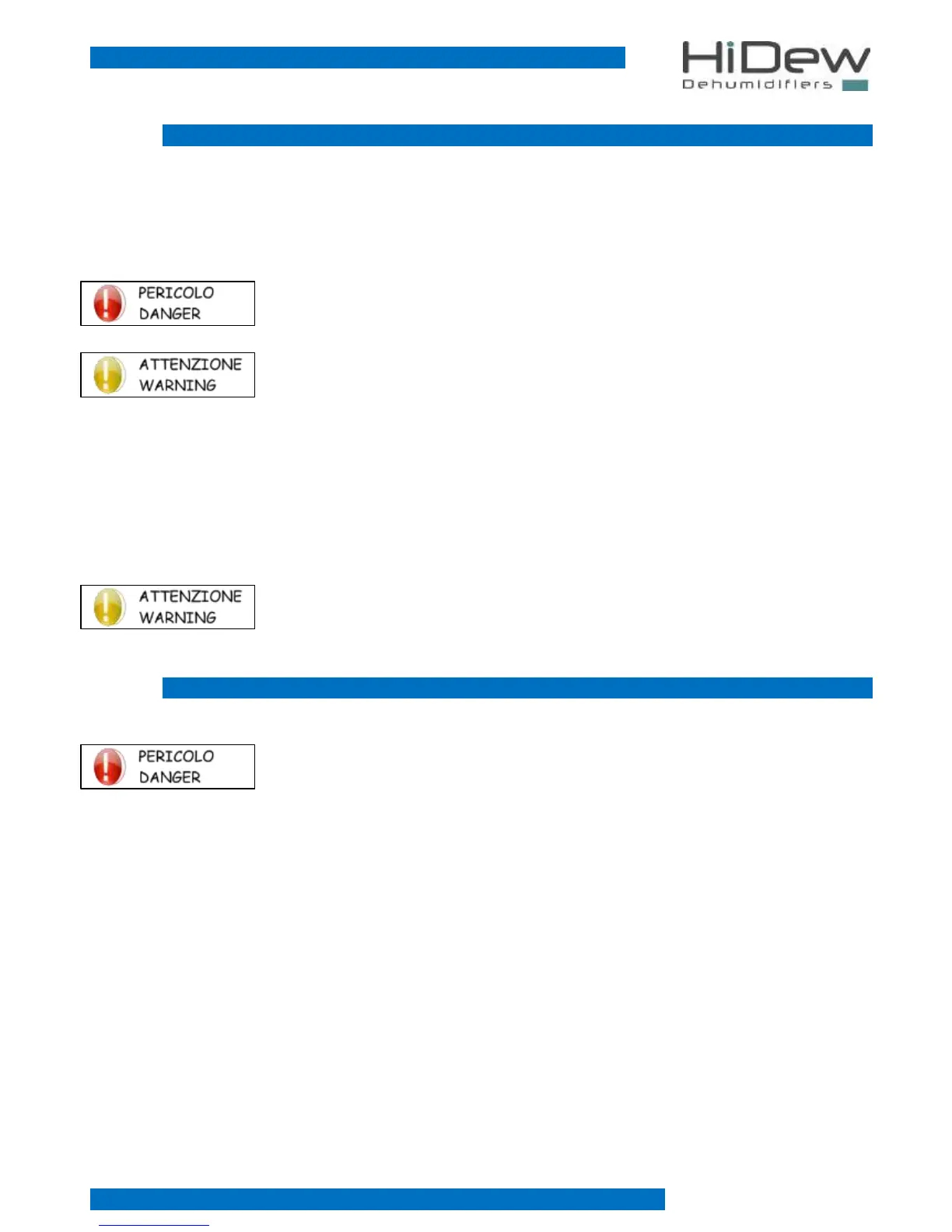
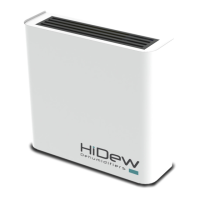
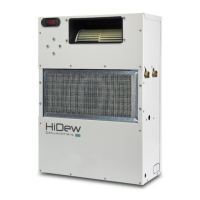
DDS – DCS units are dehumidifiers for small swimming pools, thought for all the environments where the non-control of the
humidity may cause damages to the structure.
Its use is recommended within the functioning limitations indicated in this manual.
Place the unit where there are not explosion or fire dangers, neither in vibrating areas or in
presence of electro-magnetical fields. Furthermore, do not operate in ways which differ from those
indicated and do not underestimate safety operations.
DDS-DCS units are projected for the use in swimming pools, that is to say in places with high
concentration of chlorine and / or other corrosives. It is very important to leave the unit on as
much as possible, in order to avoid the depositing of corrosives and, as consequences, the
probable damaging of the unit itself.
- The unit in stand-by (with dehumidification and heating non-active) is set by default to grant the ventilation at its
minimum; it is possible to change this set and make the ventilation stop when the unit is in stand-by. It is recommended
not to change this set.
- The unit will be turned off necessarily for the ordinary and extra-ordinary maintenance; after the maintenance operations,
it is recommended to turn the unit on again as soon as possible.
- Do not stop the unit during seasonal pauses.
All these information are useful in order to prevent the depositing of chlorine which could damage
the unit.
1.4 RESIDUAL RISK AREAS
Due to the peculiar functionality of the unit, in some areas of it, there are residual risks which was
not possible to elude during the project neither to reduce. Each operator should be aware of the
residual risks in this unit, in order to avoid accidents.
Residual risk areas:
- Short circuit or fire caused by short circuit risk;
- Explosion danger because of the presence of under pressure circuits or pollution due to the refrigerant gas in the circuit;
- Burn danger because of high temperature pipes;
- Slash danger.


 To Next Page