722960-002 35
Intel
®
Ethernet Network Adapter E810-CQDA2T
User Guide
12. (Optional) Restart the gpsd service daemon and check its status (/dev/gnss0 as an example).
#systemctl restart gpsd
#systemctl status gpsd
? gpsd.service - GPS (Global Positioning System) Daemon
Loaded: loaded (/usr/lib/systemd/system/gpsd.service; enabled; vendor preset:
enabled)
Active: active (running) since Mon 2022-10-31 10:09:59 CST; 1s ago
Process: 1856694 ExecStart=/usr/local/sbin/gpsd $GPSD_OPTIONS $OPTIONS $DEVICES
(code=exited, status=0/SUCCESS)
Main PID: 1856695 (gpsd)
Tasks: 1 (limit: 3355442)
Memory: 904.0K
CGroup: /system.slice/gpsd.service
??1856695 /usr/local/sbin/gpsd -G -n -p /dev/gnss0
Setup compliance verification:
Before starting the gpsd APIs, the Antenna setup and GNSS firmware must be done.
• Antenna compliance:
— All the GNSS applications’ performance is expected to get good quality of antenna signal so the
software APIs can run on top of stable NMEA sentences.
— Table 8 shows the Antenna frequency band for ZED-F9T-00B. You should follow the original
vendor specification including supported band and circular polarization (the ZED-F9T-00B uses
right-hand circular polarization or RHCP).
B1
• Leverage GPSD APIs to improve the E810-CQDA2T with the optional GNSS accuracy:
— gpsctl
• gpsctl can switch a dual-mode GPS between NMEA and vendor-binary modes. The gpsctl
API needs the gosd.socket service daemon running. Following is a basic device identification
example. You can use gpsctl -help to get all command details.
• With proper GPSD installation, the gpsctl can export terminal interface, as follows:
# gpsctl /dev/gnss0
where /dev/gnss0 is identified as a u-Blox SW EXT CORE 1.00 (3fda8e), HW 00190000 at
9600 baud.
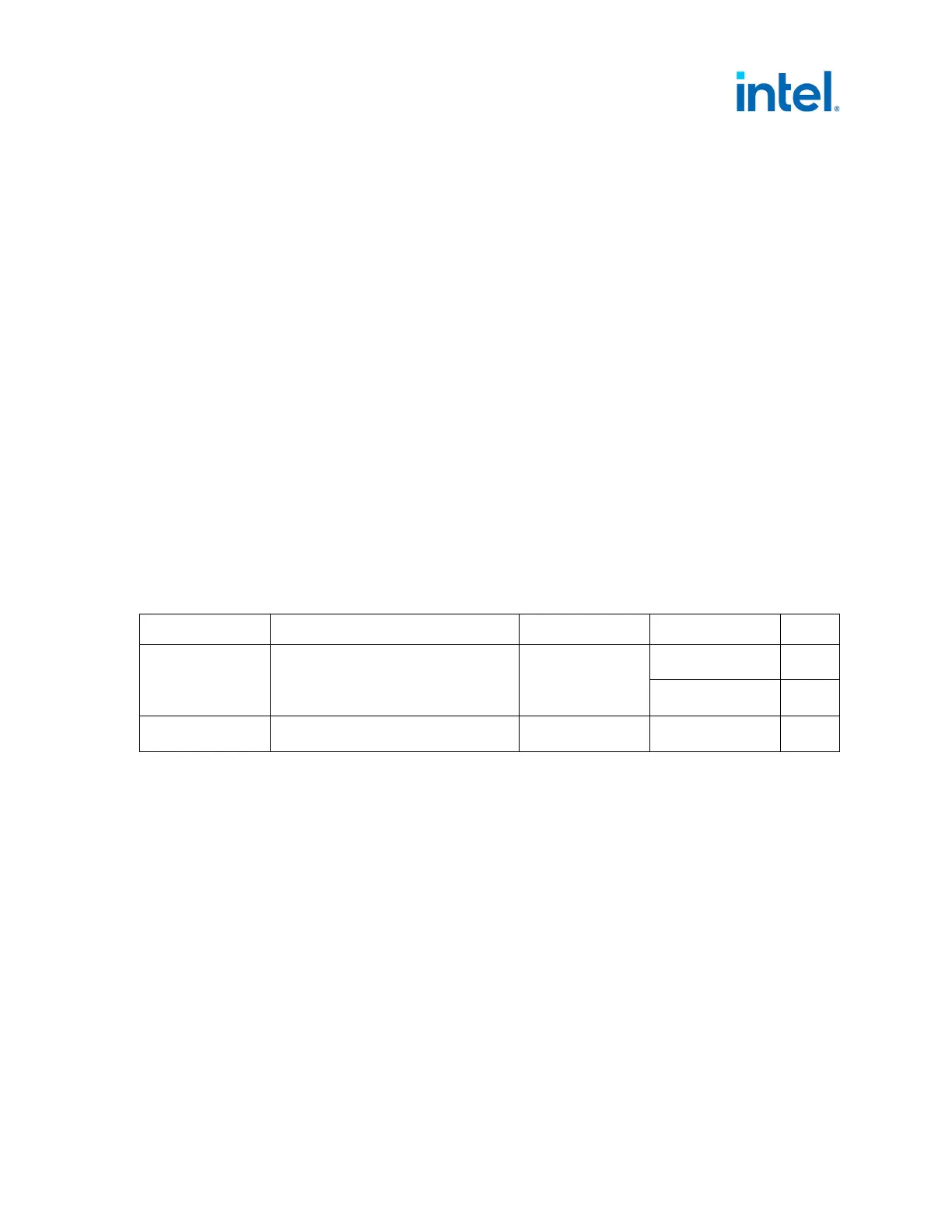
Table 8. Supported GNSS and Signals on ZED-F9T=00B
GPS / QZSS GLONASS Galileo BeiDou NavIC
L1C/A
(1575.420 MHz)
L1OF
(1602 MHz + k*562.5 kHz, k=-7,...,6)
E1-B/C
(1575.420 MHz)
B1I
(1561.098 MHz)
-
B1C
(1575.420 MHz)
1
1. B1I and B1C not to be enabled concurrently.
L2C
(1227.600 MHz)
L2OF
(1246 MHz + k*437.5 kHz, k=-7,...,6)
E5b
(1207.140 MHz)
B2I
(1207.140 MHz)
-



 To Next Page