i-ALERT2 Application Guide 14 of 64
HARDWARE SPECIFICATIONS
• Rated for most industrial environment. IP67 water & dust resistant. Class 1 Division 1, ATEX Certified
• Intrinsically Safe with a 3 year battery life (use dependent).
• The following determines the “normal operating conditions” in which the 3 year battery life is determined:
o Temperature: 18°C (65°F)
o Dashboard connections (including trend download): Once per day
o FFT and Time Waveform usage: One tri-axial request per 14 days
o Operation time in Alarm: 25% of time
• Sync data via Bluetooth Smart enabled smartphones and tablets.
• Wireless Range Approximately 10m (33ft) to 30m (100ft)
APPLICATION BEST PRACTICES
CHOOSING THE CORRECT MEASURES AND ASSETS
EQUIPMENT CRITICALITY
The initial step in building a predictive maintenance program is to
identify which systems will be analyzed and prioritizing the order
in which the analysis will take place. To get the most return on the
time invested, the most logical place to start is with the equipment
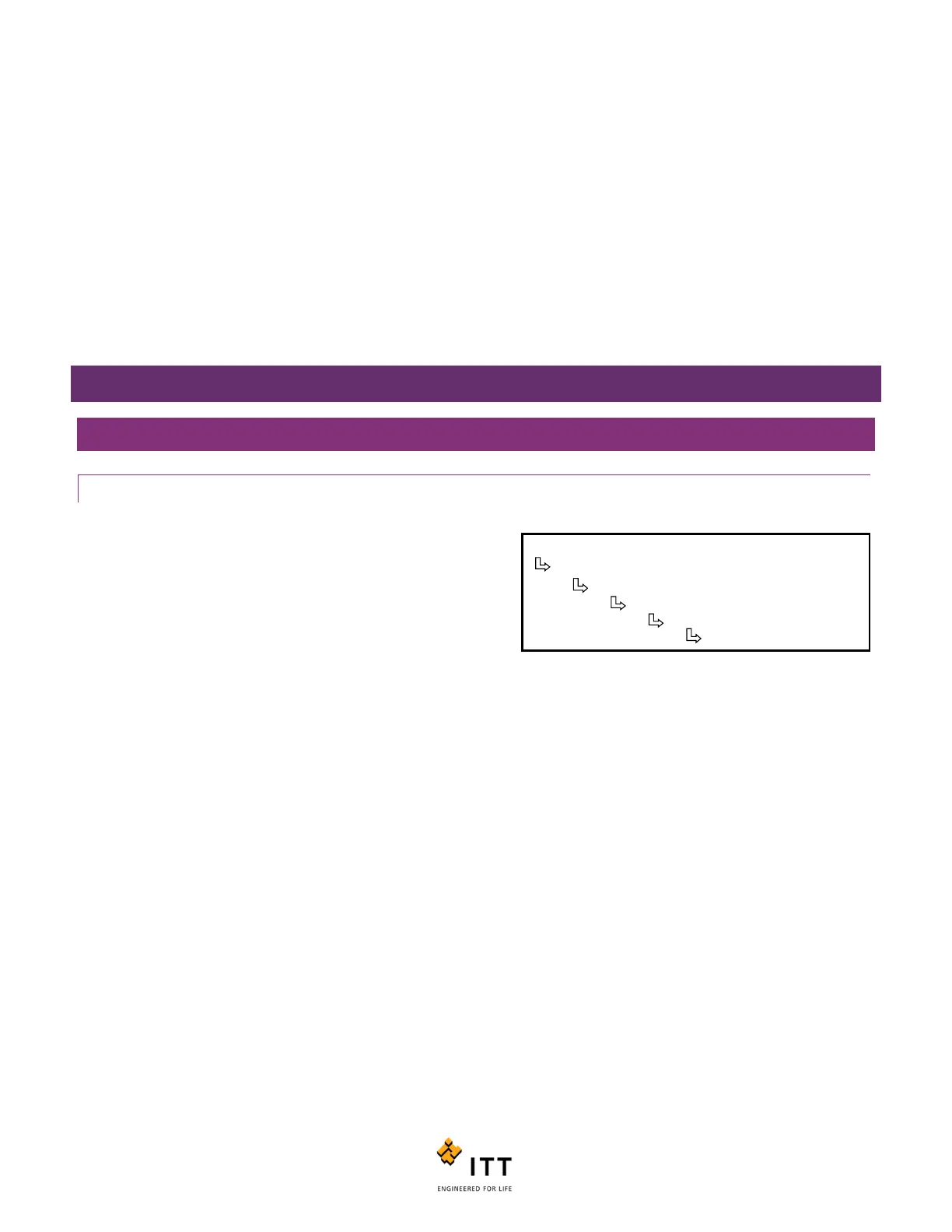
hierarchy that exists in the Computerized Maintenance
Management System (CMMS). This is typically a breakdown of all
existing equipment from Plant Level to Business Unit to Operating
System to Equipment to Component and to Sub-component,
where necessary.
For a first cut at prioritization for the analysis, it is practical to review the hierarchy at the Operating System level to
determine which systems are business critical to the organization.
Business Critical - A failure of that specific system at the operating system level would have a direct and immediate
financial impact on the facility output.
For systems deemed critical, a full Reliability Centered Maintenance (RCM) analysis should be performed. One approach to
determine criticality is to use tables similar to those below to assess consequence and probability.
1-1 Business Unit
1-1-1 Operating System
1-1-1-1 Equipment
1-1-1-1-1-1 Sub-component
Figure 8: Example Asset Hierarchy for a CMMS



 To Next Page