You can startwalking today. There
is
no technique to learn orspecial clothing to buy, except a pair
of
comfortable walking shoes. You're unlikely to get injured. Walking on a treadmill is safer and
gentler on yourjoints and muscles than exercising outdoors where your feet pound the pavement.
That's especially good news
if
you're overweight. You're also more likely to stick with walking.
It's easy, cheap, and accessible.
Running: Beginwith the above walking goals
if
you're newto exercising. Be able to walkbriskly
for at least 30 minutes, then reach for these goals:
1.
Gradually intersperse briefperiods
of
running in your walking.
2.
Work up to running more than walking until you can run for the entire time.
3.
Run 2 to 3 miles in 30 minutes 3 to 5 days each week.
To
avoid injuries, don't run more than
15
miles in a week.
Running is one
of
the most effective forms
of
aerobic exercise. You can get a great workout
quickly while getting a lot
of
feedback
to
follow your progress. Also, running on a treadmill
simulates outdoor training precisely while reducing risk
of
injury. It is a great race training tool
that enables you to compare your progress with that
of
other runners your age.
Whether you're on a Star Trac treadmill or not, running is tough on your knees, legs, and feet.
Don't
try to do too much too soon. Beginners needpatience. Be sure to check with yourphysician
before you start any rigorous exercise program.
BREATHIN6
AND
!iTRETCHIN6
Before you engage in any type
of
exercise, you mustprepare yourmuscles. Correct stretching and
breathing will prevent injuries. Here are a few tips for stretching before and after you climb onto
your treadmill and for breathing during your workout.
1.
Always do pre- and post-workout stretches on both sides
of
your body before you climb onto
yourtreadmill. These stretches loosenyour tissues before they are exerted andpromote circulation
and minimize stiffness from lactic acid buildup afterward.
2.
Move slowly into your stretch so that you feel resistance, but not much discomfort. Never use
muscular strength to increase a stretch. Hold that position and breathe deeply and slowly for 5
to 10 seconds.
3.
As you walk or run, breathe from your diaphragm, so that your stomach, rather than your rib
cage and shoulders, rises and falls with eachbreath. Abdominalbreathing encourages relaxation,
lessens muscular tension, and helps lower blood pressure.
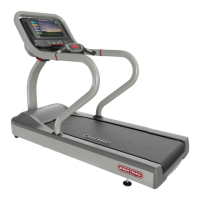
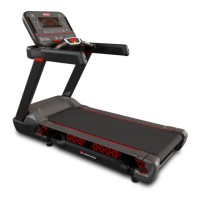
§TAR
TRAC
3900
TREADMILL
Owner"s
Manual




 To Next Page