1. Introduction
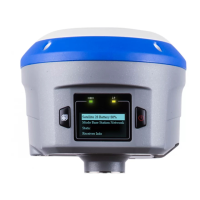
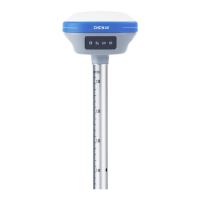
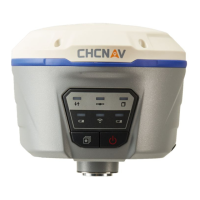
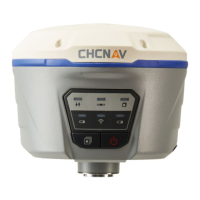
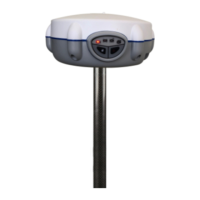
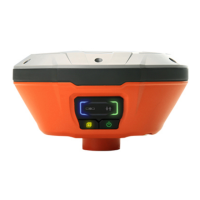
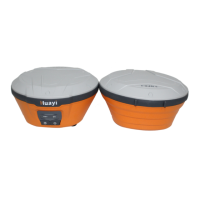
The i76 GNSS Receiver User Guide describes how to set up and use the CHCNAV® i76 GNSS
receiver. In this manual, “the receiver” refers to the i76 GNSS receiver unless otherwise stated.
Even if you have used other Global Navigation Satellite Systems (GNSS) products before,
CHCNAV recommends that you spend some time reading this manual to learn about the
special features of this product. If you are not familiar with GNSS, go to www.chcnav.com for
an interactive look at CHCNAV and GNSS.
1.1 Safety Information
An absence of specific alerts does not mean that there are no safety risks involved.
A Warning or Caution information is intended to minimize the risk of personal injury and/or
damage to the equipment.
WARNING - A Warning alerts you to a potential misused or wrong setting of the
equipment.
CAUTION - A Caution alerts you to a possible risk of serious injury to your person
and/or damage to the equipment.
1.2 Regulations and Safety
The receivers contain a built-in wireless modem for signal communication through
Bluetooth® wireless technology or through external communication data link. Regulations
regarding the use of the wireless modem vary greatly from country to country. In some
countries, the unit can be used without obtaining an end-user license. However, in some
countries, the administrative permissions are required. For license information, consult your
local dealer. Bluetooth® operates in license-free bands.
Before operating a i76 GNSS receiver, determine if authorization or a license to operate the
unit is required in your country. It is the responsibility of the end-user to obtain an operator's
permit or license for the receiver for the location or country of use.
1.2.1 Use and Care
This receiver is designed to withstand the rough environment that typically occurs in the
field. However, the receiver is high-precision electronic equipment and should be treated with
reasonable care.


 To Next Page