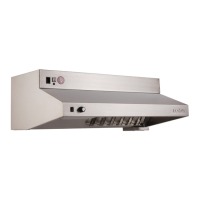
The D1000
Installation and
Service
Version 2.1
2 5
C. Re-setting and testing release mechanisms, remote pull and fusible links
Re-set detection system by completing the following steps:
1. Remove extinguisher tank
2. Make sure tension arm cable is in the released slack position.
3. Remove the 3 fusible links from the cable assembly and replace links with 2 new properly rated links and
one test link at terminal end.
4. Return tension arm and cable mechanism to a cocked position.
5. Using wire snips, cut the test link at the terminal end to simulate an actuation.
6. If system actuates successfully, go to Step 7.
7. If the release mechanism does not actuate, check the following components and remedy any disorder as
follows:
a. Check the detector links for correct positioning through pulleys in system and for possible twists or
knots in the cable
b. Ensure that actuator arm is in place and is cocked.
c. Re-test the system after installing a new test link on the terminal end.
d. Verify that safety pin is removed from suppression tank.
[If problems persist call the factory at 860-526-9846.]
8. Upon successful actuation of the system, complete the following steps:
a. Release cable from actuation lever and install a properly rated fusible link in the terminal location.
b. Replace extinguisher tank and reattach cable to actuation lever to place it into its “ready” position.
D. Recharge Tank
1. Setting the hood into the service position allows for removal of tank and examination of components.
2. Disconnect the tank pressure switch and the hose discharge assembly connection and remove the tank
from the hood. It is recomended to replace the pin back into the tank incase of left over suppression media.
3. Remove the tank valve assembly and inspect the valve and O-rings for damage. Thoroughly ush the valve
and O-ring with water.
4. Once ushing is complete, rell the tank with the measured amount in the recharge a rell kit, screw on
valve assembly and recharge with nitrogen to a pressure of 100-105 psi (green zone on pressure gauge).
5. Re-install tank and insure all systems have been thoroughly checked and re-tested with new links. The
system can now be put into service.
The pressure gauge is directly plumbed to the wet chemical tank valve assembly and indicates the pressure
status of the nitrogen in the tank. The tank includes a pressure switch that closes if pressure is in the “green” or
normal operation range.
WARNING: Safety glasses and gloves must be worn for all the following
operations. Flush thoroughly with clean water if agent comes in contact
with skin or eyes.
After an Actuation - How to Reset the Suppresion System


 To Next Page