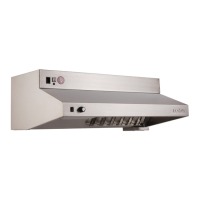
The D1000
Installation and
Service
Version 2.1
2 4
The D1000 re-suppression system must be recharged and restored to service immediately after any discharge
for continued re-suppression protection.
A. Clean-up procedures
Due to the alkaline nature of the re-suppressing agent, kitchen surfaces must be cleaned immediately after
system discharge. The wet chemical agent discharged produces a foamy bi-product that can be wiped up with
a cloth or sponge.
Clean-up procedures are as follows:
1. Before cleanup insure that all fuel or electrical sources to the equipment to be cleaned have been shut o.
Unplug exhaust hood and all appliance electrical controls to avoid any chance of electrical shock resulting from
the cleaning process or from an electrically conductive liquid agent.
2. Discard food and cooking oil that has contacted the extinguishing agent since it is no longer suitable for
consumption.
3. Wipe up as much of the agent as possible with paper towel or disposable rags.
4. Use hot, soapy water to clean away all residue and any surfaces that the agent has come in contact with.
5. Completely dry all areas before continuing the service procedure.
Inspect the Unit for Damage
Be sure no components of the hood were damaged from re/heat.
B. Determine cause of discharge
Determining the reason for the system discharge before recharging the re-suppression system and re-setting
the unit is critical to ensure either the system performed as designed, or was caused by a component malfunc-
tion. Great care has been taken to simplify eld installations, so system malfunctions should be extremely rare.
A re may have caused the fusible links to melt, causing the system to discharge. In case of re, inspect the
electrical system and all wiring for heat damage.
The remote pull station (optional) may have been pulled.
If fusible links have not been changed within the past 12 months, they may have stretched and released the
actuation cable.
WARNING: Allow time for cooling before attempting any cleaning. Using
water to clean any appliance that contains hot grease or cooking oils may
result in violent steaming or splattering.
WARNING: Safety glasses and gloves must be worn for all the following
operations. Flush thoroughly with clean water if agent comes in contact
with skin or eyes.
After an Actuation - What to do


 To Next Page