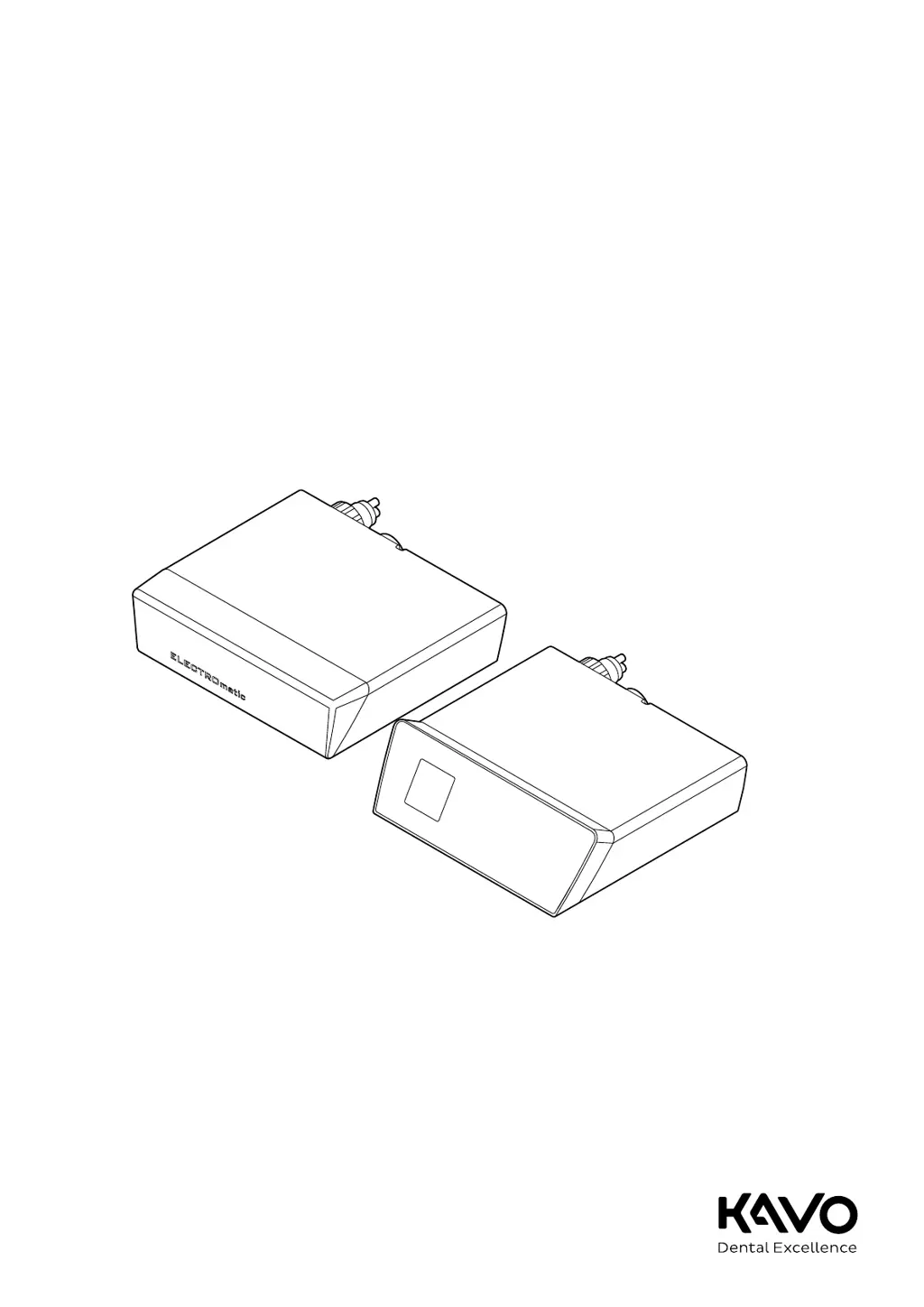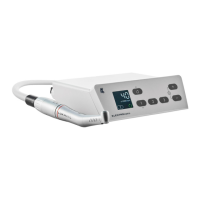
What does it mean when 'all other events' occur on my KaVo ELECTROmatic PM?
- KKimberly BarkerSep 13, 2025
If 'all other events' occur, it indicates an internal system error. Turn the unit off and on. If error persists, notify the service engineer.
What does it mean when 'all other events' occur on my KaVo ELECTROmatic PM?
If 'all other events' occur, it indicates an internal system error. Turn the unit off and on. If error persists, notify the service engineer.
What does Event E8 mean on my KaVo ELECTROmatic PM?
Event E8 means that saved data or settings have been reset to the starting value. Confirm the message and check or correct the program settings. If error persists, notify the service engineer.
What does Event E5 mean on my KaVo ELECTROmatic PM Dental equipment?
Event E5 indicates automatic light and motor shut-off during continuous operation of the motor. Comply with defined operating mode.
Why is LUX light red on my KaVo ELECTROmatic PM?
The red LUX light indicates incorrect LED poles. Rotate the LED or replace it, if applicable.
What does Event E2 mean on my KaVo ELECTROmatic PM?
Event E2 indicates that the foot control is being actuated during start-up. Make sure you do not press the foot control when you switch the unit on.
What does Event E3 mean on my KaVo ELECTROmatic PM Dental equipment?
Event E3 indicates that no motor is attached. Connect the motor.
What does Event E12 mean on KaVo Medical Equipment?
Event E12 on your KaVo Medical Equipment indicates no connection to the motor. Check and restore the connection. If that doesn't work, replace the motor cord.
What does Event E14 mean on my KaVo Dental equipment?
Event E14 indicates motor overload. Relieve the motor, then stop and start it using the foot control.
What does Event E12 mean on my KaVo ELECTROmatic PM Dental equipment?
Event E12 indicates no connection to the motor. Check and restore the correct connection. Replace the motor cord. If error persists, notify the service engineer.
Why is my KaVo ELECTROmatic PM not reaching maximum speed?
There are several possible reasons why your equipment isn't reaching maximum speed. The supply pressure might have changed significantly. Try repeatedly pushing the foot control down as far as it will go to start up the motor; the automatic calibration should increase the speed continuously up to the maximum pressure. There might be a kink or leak in the supply hose. Remove any kinks and check for damage. If there's damage or leakage, replace the supply hose. The motor or handpiece might be sluggish. Replace or repair the handpiece. If error persists, notify the service engineer.
General overview and essential information for safe and correct operation of the device.
Identifies risks of infection from contaminated devices and outlines necessary precautions.
Warns about risks of explosion or fire due to electrical sparks in specific environments.
Emphasizes maintaining the product in good technical condition to prevent injury.
Details risks of electrical shock and injury from liquid ingress and how to prevent it.
Safety guidelines for using approved accessories and avoiding unauthorized modifications.
Stresses the need for trained personnel and proper understanding of instructions for safe operation.
Outlines who is authorized for service/repair and the procedures required for safety checks.
Defines the product's purpose, indications, and proper usage for dental treatments.
Provides detailed technical data including dimensions, weight, ambient conditions, and electrical ratings.
Outlines various methods and positions for physically mounting the ELECTROmatic unit.
Instructions on how to start the motor using the foot control and achieve desired speeds.
Explains how to adjust the spray water volume for cooling and lubrication.
Describes how to change and save motor speed presets using the control panel or foot control.
Details the SAFEdrive function for detecting and preventing overheating of handpieces.
Guidelines for cleaning the device, including preparation, external, and internal cleaning procedures.
Instructions for disinfecting the device surfaces using approved methods and products.
| Supply voltage | 100-240 V |
|---|---|
| Frequency | 50/60 Hz |
| Power | 60 W |
| Type | Electric motor |
| Voltage | 24 V |
| Handpiece Connection | ISO 3964 |