www.marketdirect.com.au Ph: 1300 494 494
23
Using the Camper
WARNING: BALL LOADING (DOWNWARD LOAD ON TOW HITCH) MUST NOT EXCEED 300KG OR THE
MAXIMUM ALLOWABLE LOAD BY THE VEHICLE MANUFACTURER OR TOW BAR RATING, WHICH EVER IS
THE LOWEST. Exceeding these limits may result in an accident causing serious injury or death and/or property
damage.
• Always load evenly to both sides of the camper
• Load heavy weight over or as close to over the axle as possible and as low as possible.
• Never load in a manner that causes the ball weight to exceed the limit of the tow vehicle.
• Ensure no items can move during travel. Secure all items to prevent damage to the camper.
• Consider water tank levels and how they may affect the balance front and back and the percentage of ball
weight.
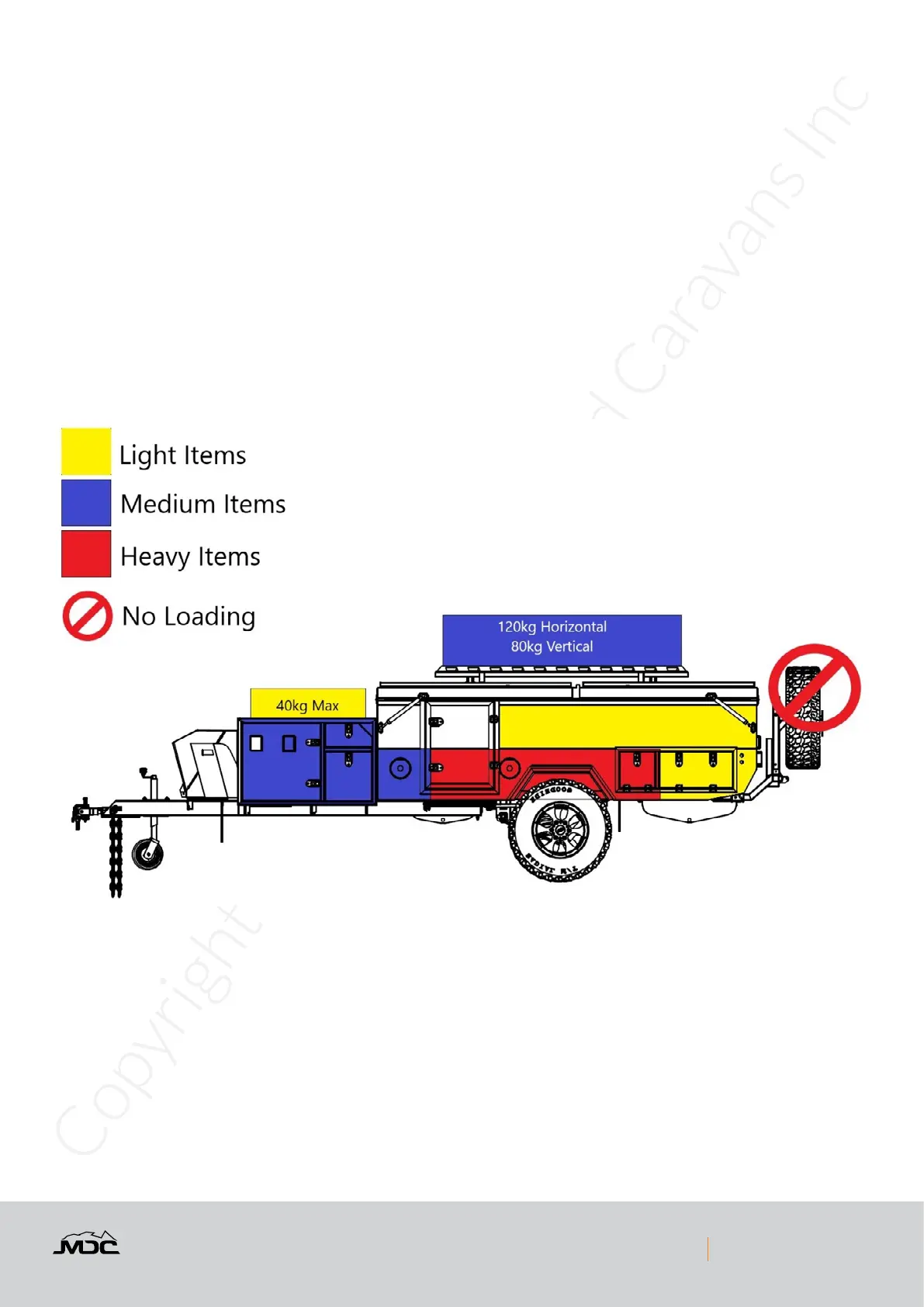
Load Distribution Guide
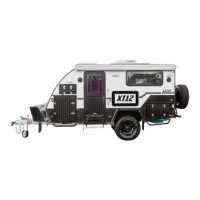
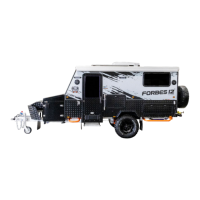
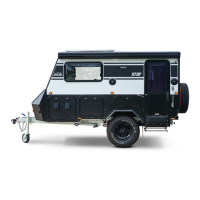
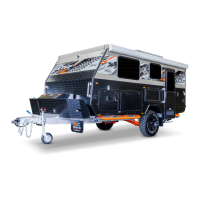
The diagram below illustrates best placements of items based on weight.
Ball Weight
When loading your camper, the ideal ball weight once loaded is around 10% of the total weight of the camper. Use
a ball weight scale to identify the ball weight and load the camper in a manner that achieves the desired weight.
Ideally, once loaded the rst time, take the camper to a weigh bridge, and measure the total weight loaded including
the weight on the jockey wheel. When the total weight is known, adjust the load locations to meet the desired
balance considering 10% is the generally accepted benchmark.
Effects of Weight Distribution
The distribution of weight in a camper can inuence the handling and performance of the van. Overloading
the front or rear may cause adverse handling and sway. Additionally, overloading the front or back can induce a
pendulum effect that can cause dangerous sway and cause an accident.



 To Next Page