39
OpenSPR 1-Channel Operation Manual V4.1.01
𝑆𝑎𝑚𝑝𝑙𝑒 𝑖𝑛𝑡𝑒𝑟𝑎𝑐𝑡𝑖𝑜𝑛 𝑡𝑖𝑚𝑒
(
min
)
=
𝑆𝑎𝑚𝑝𝑙𝑒 𝑙𝑜𝑜𝑝 𝑣𝑜𝑙𝑢𝑚𝑒
(
μL
)
𝐹𝑙𝑜𝑤 𝑟𝑎𝑡𝑒 (μL min )
⁄
The standard sample loop that comes installed in the OpenSPR is 100 µL in volume.
For different injection types and instances in your experiment, it can be advantageous to use
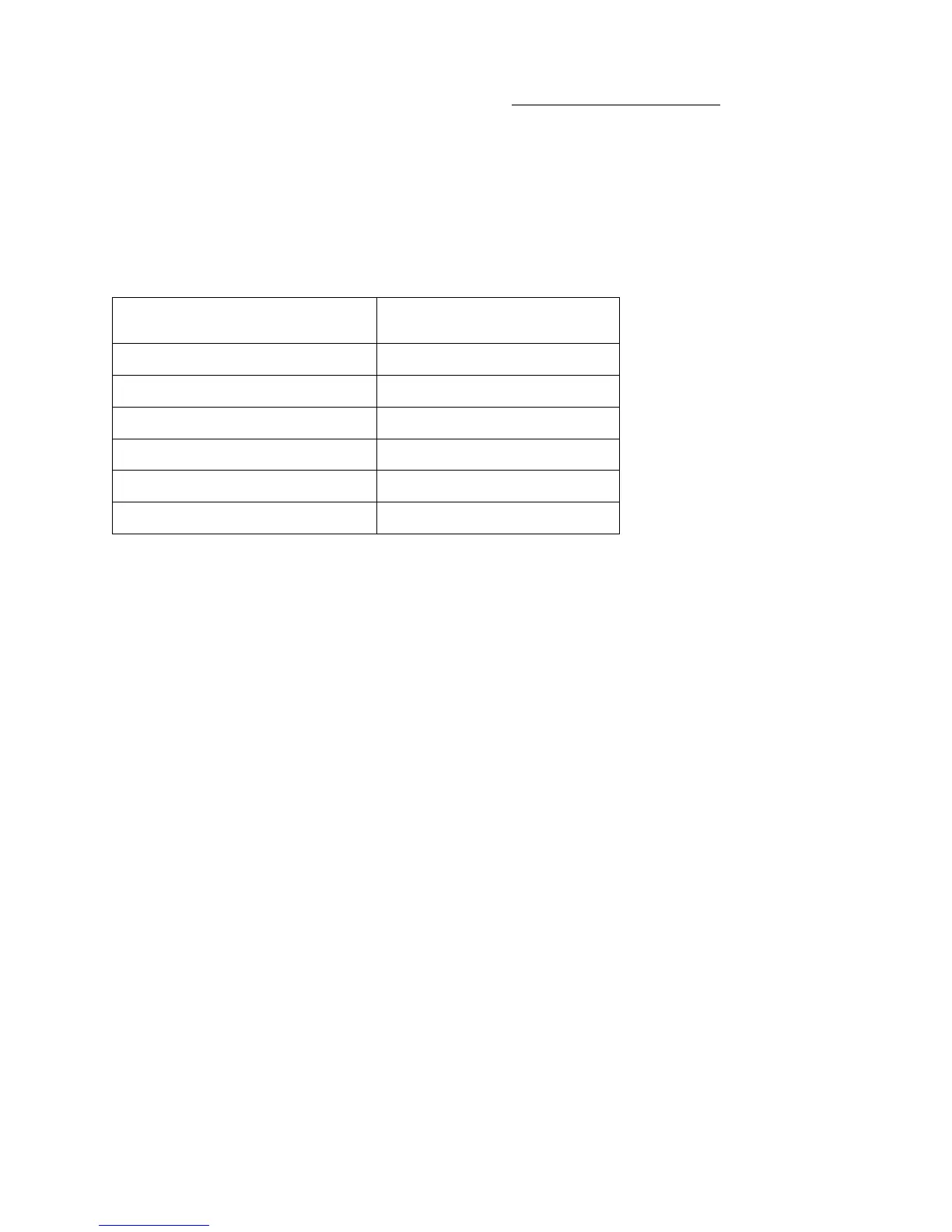
different flow rates. A table of example scenarios and recommended flow rates is provided
below:
Table 3 Recommended typical flow rates for different injection types and experimental scenarios.
2.5.5 Injections
Samples will be introduced to the sensor inside the OpenSPR using injections. The OpenSPR
contains a semi-automated injection procedure; introduction of the sample into the OpenSPR
instrument will be performed by the user, and then the exposure of the sample towards the
sensor will be automatically controlled via the software. This section will outline the full injection
process.
Syringes and tips:
User samples and solutions are introduced into the OpenSPR using syringes containing blunt-end
injection tips. It is important that only blunt-end injection tips are used, as pointed tips will
damage the seal of the injection port within the instrument. Nicoya Lifesciences offers two
types of syringes, both disposable and glass.
Disposable syringes (SYR-PL-50) are 1 mL in volume and have a luer-lock fitting to be used with
luer-lock disposable blunt injection tips (TIP-BLUNT-50). These syringes are recommended to be
used for general solutions where precise volume control is not required, such as 80% isopropanol,
regeneration solutions, and rinsing with running buffer. Note that these syringes are not
compatible with DMSO. With the disposable syringes, it is recommended to allocate a unique
syringe for each solution type to prevent cross-contamination. When loading solutions into the
disposable syringes, note that there will be a dead-volume present in the injection tip, so an air
gap of ~100 µL will be contained within the syringe. This air gap can remain within the syringe so


 To Next Page