18
Class D and E:
Class D is a class with first 4 MSB (Most significance bit) set to 1-1-1-0 and is used for IP Multicast.
See also RFC 1112. Class E is a class with first 4 MSB set to 1-1-1-1 and is used for IP broadcast.
According to IANA (Internet Assigned Numbers Authority), there are three specific IP address
blocks reserved and able to be used for extending internal network. We call it Private IP address and is
listed below:
Class A 10.0.0.0 --- 10.255.255.255
Class B 172.16.0.0 --- 172.31.255.255
Class C 192.168.0.0 --- 192.168.255.255
Please refer to RFC 1597 and RFC 1466 for more information.
Subnet mask:
It means the sub-division of a class-based network or a CIDR block. The subnet is used to
determine how to split an IP address to the network prefix and the host address in bitwise basis. It is
designed to utilize IP address more efficiently and easily manage IP network.
For a class B network, 128.1.2.3, it may have a subnet mask 255.255.0.0 in default, in which the
first two bytes is with all 1s. This means more than 60 thousand nodes in flat IP addresses will be at the
same network. It’s too large to manage practically. Now if we divide it into smaller network by extending
the network prefix from 16 bits to, say 24 bits, that’s using its third byte to subnet this class B network.
Now it has a subnet mask 255.255.255.0, in which each bit of the first three bytes is 1. It’s now clear that
the first two bytes are used to identify the class B network, the third byte is used to identify the subnet
within this class B network and, of course, the last byte is the host number.
Not all IP addresses are available in the sub-netted network. Two special addresses are reserved.
They are the addresses with all zero’s and all one’s host number. For example, an IP address
128.1.2.128. All 0s mean the network itself, and all 1s mean IP broadcast.
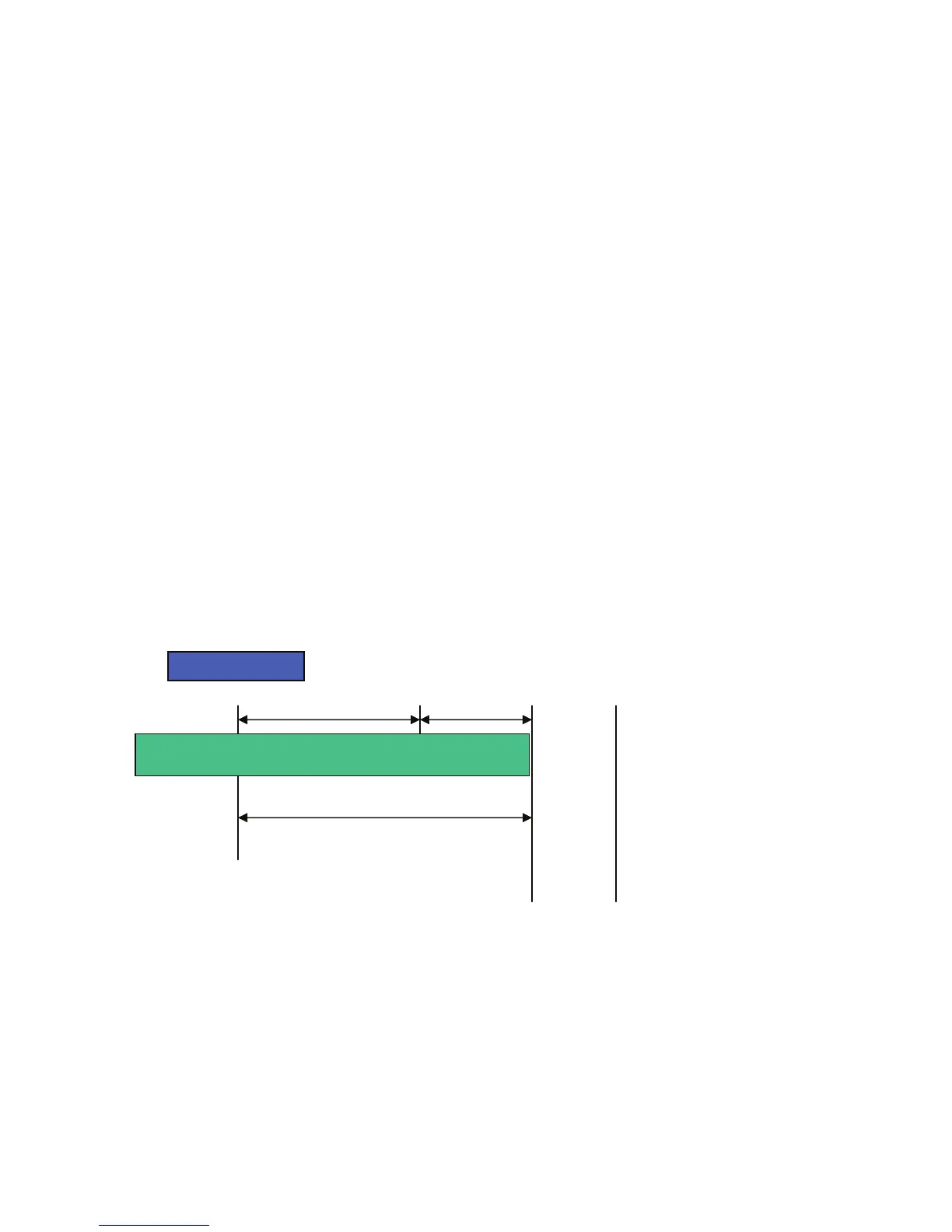
10000000.00000001.00000010.1 0000000
25 bits
1 0000000
1 1111111
All 0s = 128.1.2.128
All 1s= 128.1.2.255
Subne
etwor



 To Next Page