11.1 General Maintenance
Record the unit model number, serial number, and voltage. Please record those numbers in the spaces below.
• Model Number ___________________________
• Serial Number ____________________________
• Voltage/Phase/Frequency ____________________
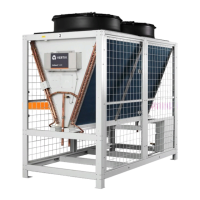
Periodic attention is necessary for continued satisfactory operation of your unit. Restricted air flow through the condenser
coil, reduced airflow from non-functioning fans, and low refrigerant system charge levels will reduce the operating efficiency of
the unit and can result in high condensing temperatures and loss of cooling. In winter, do not permit snow to accumulate
around the sides or underneath the condenser coil.
Monthly and semi-annual inspections and maintenance are recommended for proper system operation. Use copies of
Preventive Maintenance Checklist on page65, for each of these inspections.
11.2 Condenser Cleaning - Standard Coil
Keeping the outdoor condenser coils clean is an important factor in maintaining peak efficiency, reliability, and long life of the
equipment. The unit will operate more efficiently with frequent cleanings. If you delay cleaning until heavy build up occurs,
head pressure problems with the evaporator units can develop.
11.2.1 When to Clean the Condenser Coil
Normal conditions typically dictate cleaning twice a year, in spring and fall. On-site or area conditions such as cottonwood
trees, construction, etc., can increase cleaning frequency. On your standard monthly preventive maintenance schedule, we
recommend a visual inspection of the coil to monitor conditions.
11.2.2 What to Use to Clean the Condenser Coil
NOTICE
Risk of improper cleaning agent selection, including non-base paint solvents. Can cause building and equipment
damage and loss of refrigerant charge.
Using acid based or sodium hydroxide based cleaners can damage the coil and cause a loss of charge. This could
cause equipment damage as well as damage to the surrounding structure.
• Start with removing dirt, leaves, fibers, etc. with a soft brush or vacuum cleaner fitted with a soft brush
attachment.
• Do not use a wire brush or scrape the coil with a metal vacuum hose. The best overall condenser coil cleaner is
plain water.
• If the coil is maintained and cleaned at regular intervals, water is sufficient to remove dirt and debris from the fins.
• Water pressure from a garden hose and sprayer usually works well. If a pressure washer is used, make sure that
the equipment is set to a lower pressure setting and that the nozzle is set to the fan spray, not stream. Otherwise,
damage to the fins could result.
• If a cleaner is required, we recommend using a neutral cleaner, neither acidic nor base. Acid type cleaners can
damage the coil fins and surrounding areas. Many sites do not allow the use of acidic cleaners for environmental
reasons.
52 Proprietary and Confidential ©2024 Vertiv Group Corp. 11 Maintenance
Vertiv™ Liebert® MCV Installer/User Guide



 To Next Page