3.3 Operating principle
3.0 TECHNICAL INFORMATION
2
FIL.SILOTOP_zero.--.M.A4.0722.EN Issue: A4
07.22
12
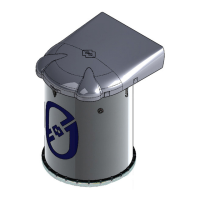
The dirty air enters the lter body (1), where dust is separated by the lter elements (8).
The compressed air pulse-jet cleaning system (3+4+5) removes the dust collected by the lter elements; then,
the dust drops back inside the silo.
3.4 Permitted use
3.5 Improper use not permitted
The SILOTOP
®
zero venting lters have the function of separating dust particles conveyed by an air ow or
gas, using ltering elements made of non-woven polyester.
The dusty air ow crosses the lter, which stops the dust particles, allowing the air to ow over it.
The dust collected on the lter elements surface is periodically removed by the cleaning system that can be of
the compressed air jet type.
Every other use must be considered improper, therefore not permitted.
The equipment must not be used as an element for discharging overpressure inside closed volumes. One or
more safety valves must always be provided in the plant to keep the pressure level within the lter pressure
resistance limits.
The air ow handled by the dust collector must never exceed the value dened in the order phase.
Using the dust collector when the components (lter elements, cleaning system, fan, if present, etc.) are not in
perfect conditions can cause harm to persons and to the environment.
Do not operate the lter unless the plant or the equipment in which it was incorporated is declared compliant
to the requirements of relevant national and local provisions in force.
It is forbidden to use the dust collector in potentially inammable or explosive atmospheres (ATEX).
It is forbidden to use the lter for inammable (magnesium powder, etc.) or explosive products.
It is forbidden to use the lter for products which can cause bacteriological contamination.


 To Next Page