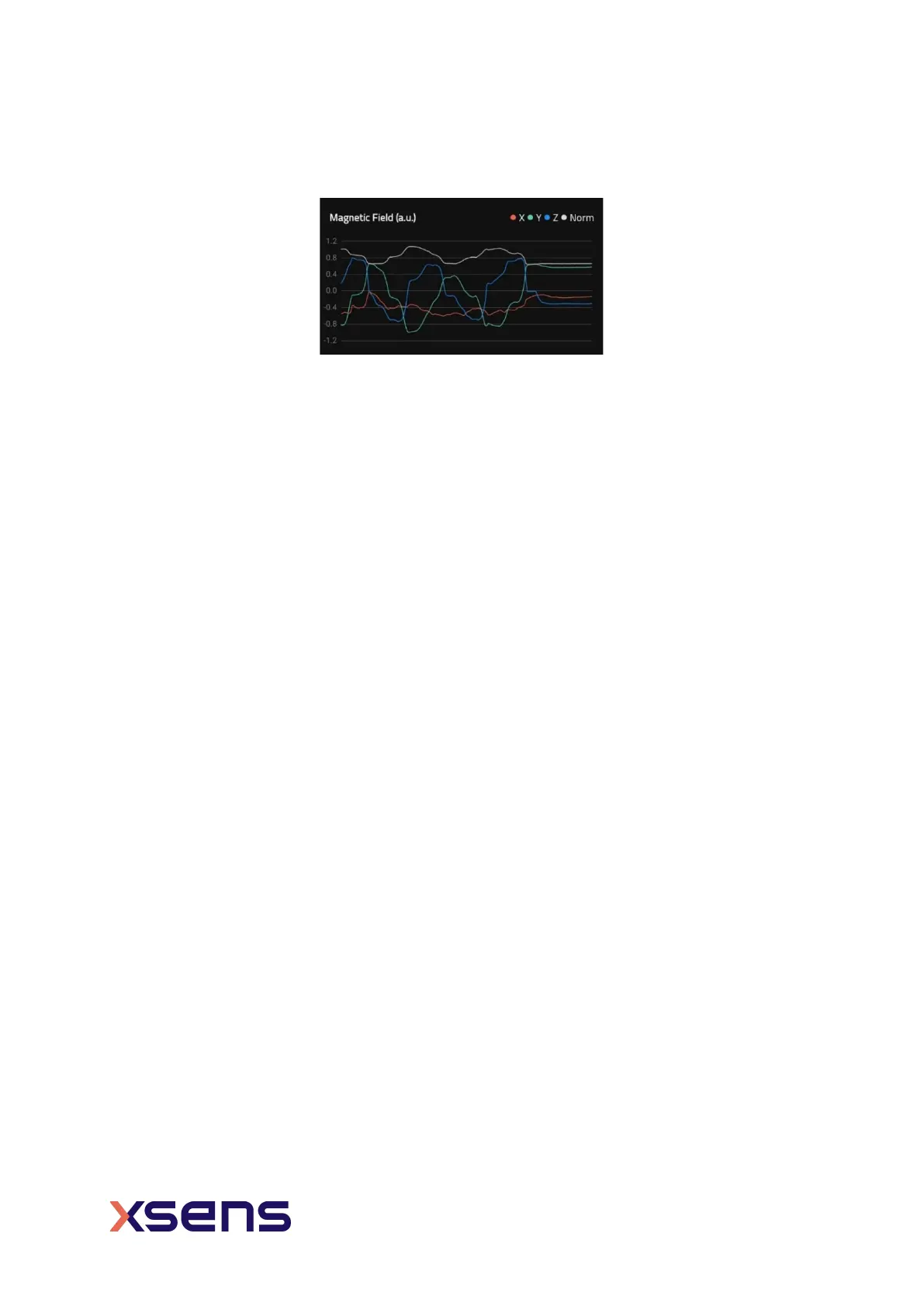
Figure 6: Mag Norm fluctuates when moving
XKFCore algorithm running in the motion processor can compensate for the magnetic
disturbance caused by short or fast fluctuating disturbances by optimally using the
available sensor information and valid assumptions about the application. However, if the
disturbance is slow and large (>±0.2) or lasts for over 30s, it’s difficult for the algorithm
to compensate for and will influence heading accuracy.
If the magnetic field norm has large fluctuations, or the Xsens DOT sensor is attached to
an instrument or prosthesis that influences the magnetic field (e.g. ferromagnetic object),
it is best to carry out Magnetic Field Mapping for this DOT (see section 3.4) to recalibrate
the magnetometer.
NOTES:
• Never expose sensor to strong magnetic fields. The sensor contains the
absolute possible minimum of ferromagnetic materials. Nonetheless, some minor
components can be magnetized permanently by exposure to strong magnetic fields.
This will not damage the unit but will render the calibration of the magnetometers
useless, typically observed as a (large) deviation in the heading.
2.6.3 Cleaning method
To clean the Xsens DOT sensors and charger, use a moist cloth to wipe the surface.
2.6.4 Long-term storage guidelines
Follow the recommended guidelines to preserve the battery life of the sensors:
• Operating temperature: 0°C - 50°C.
• Storage temperature: 25°C±10°C.
If the sensors will be stored for a prolonged period of 3 months or longer:
1. Charge all sensors to >90%. You can know the battery level is >90% when the LED
shows solid green.
2. Disconnect sensors from charger.
3. Power off the sensors if they are powered on with the USB plugin.
Recharge your Xsens DOT sensors every 3 months according to the recommended
guidelines to slow the rate of battery ageing thereby improving the battery shelf life.


 To Next Page