ARTURIA – CS-80V – USER’S MANUAL
7
1 INTRODUCTION
1.1 THE BIRTH OF THE YAMAHA CS-80
Yamaha was created at the end of the 19
th
century, in Hamamatsu, Japan.
The first electronic instrument, the Electone D-1 electronic organ, was designed and built
in 1959. But the history of the CS-80 began when, in 1974, the GX-1 was released.
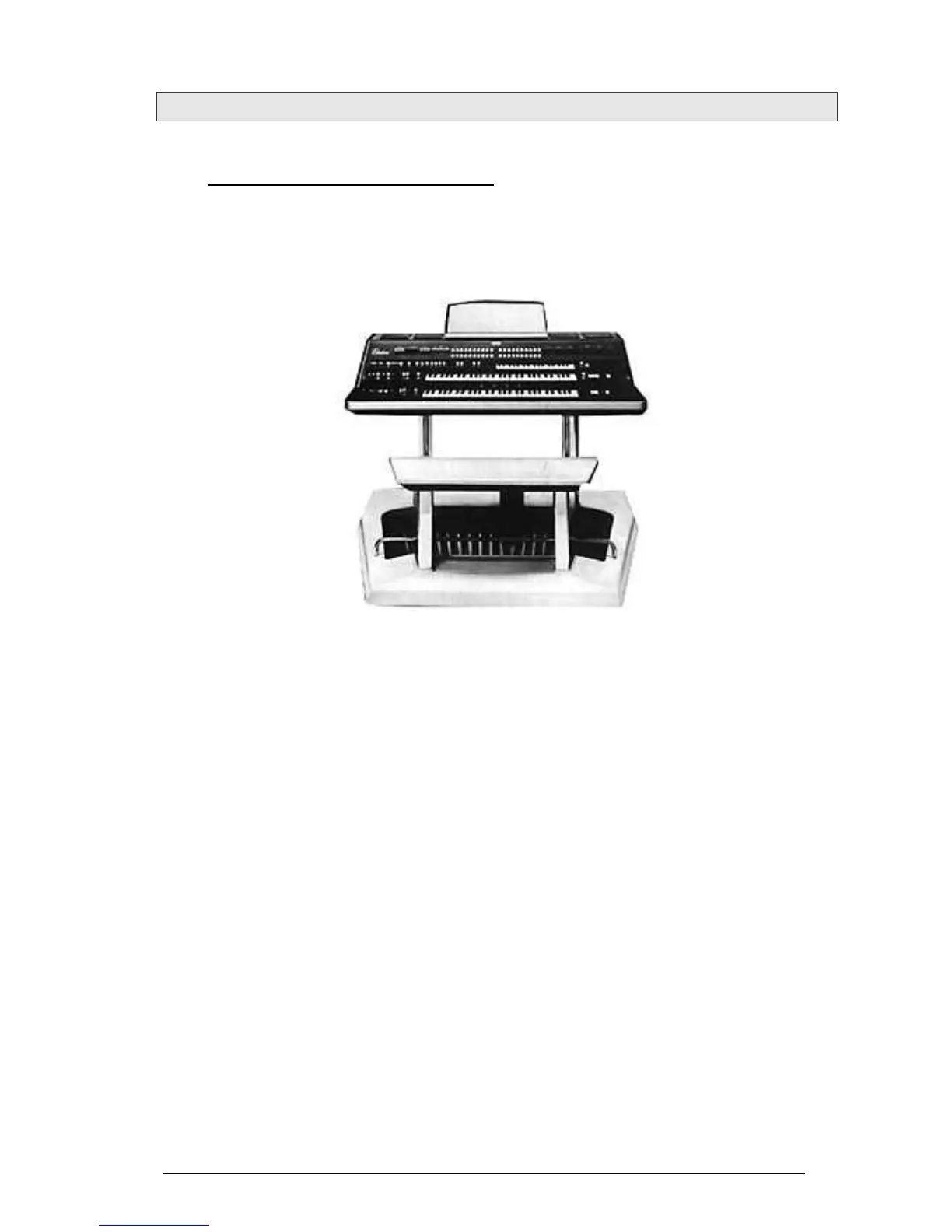
The GX-1
The GX-1 was an analog polyphonic synthesizer that was built in order to test the
market. It cost $60,000 and was premiered in the US in 1973 at the NAMM convention.
Keith Emerson, John Paul Jones of Led Zeppelin, Jurgen Fritz of Triumvirat and Stevie
Wonder all bought one. Stevie Wonder called it «the Dream Machine».
One of the strong features of the GX-1 is the superposition of the two full-sized velocity-
sensitive keyboards. The CS-80V, with the Multi mode, allows the creation of the same
type of sounds that the GX-1 offered.
In 1976, Yamaha introduced the CS-80, which has the same circuits as the GX-1. The
price tag ($6,900) put it out of the reach of most musicians, and the weight (83kgs with
stand) made it sometimes hard to use on stage.
But the qualities of this synthesizer, considered Japans first great synthesizer, made it
immediately famous in the Music Industry.



 To Next Page