Page 20 of 59 BACTcontrol – User Manual – V0.4.4 microLAN b.v.
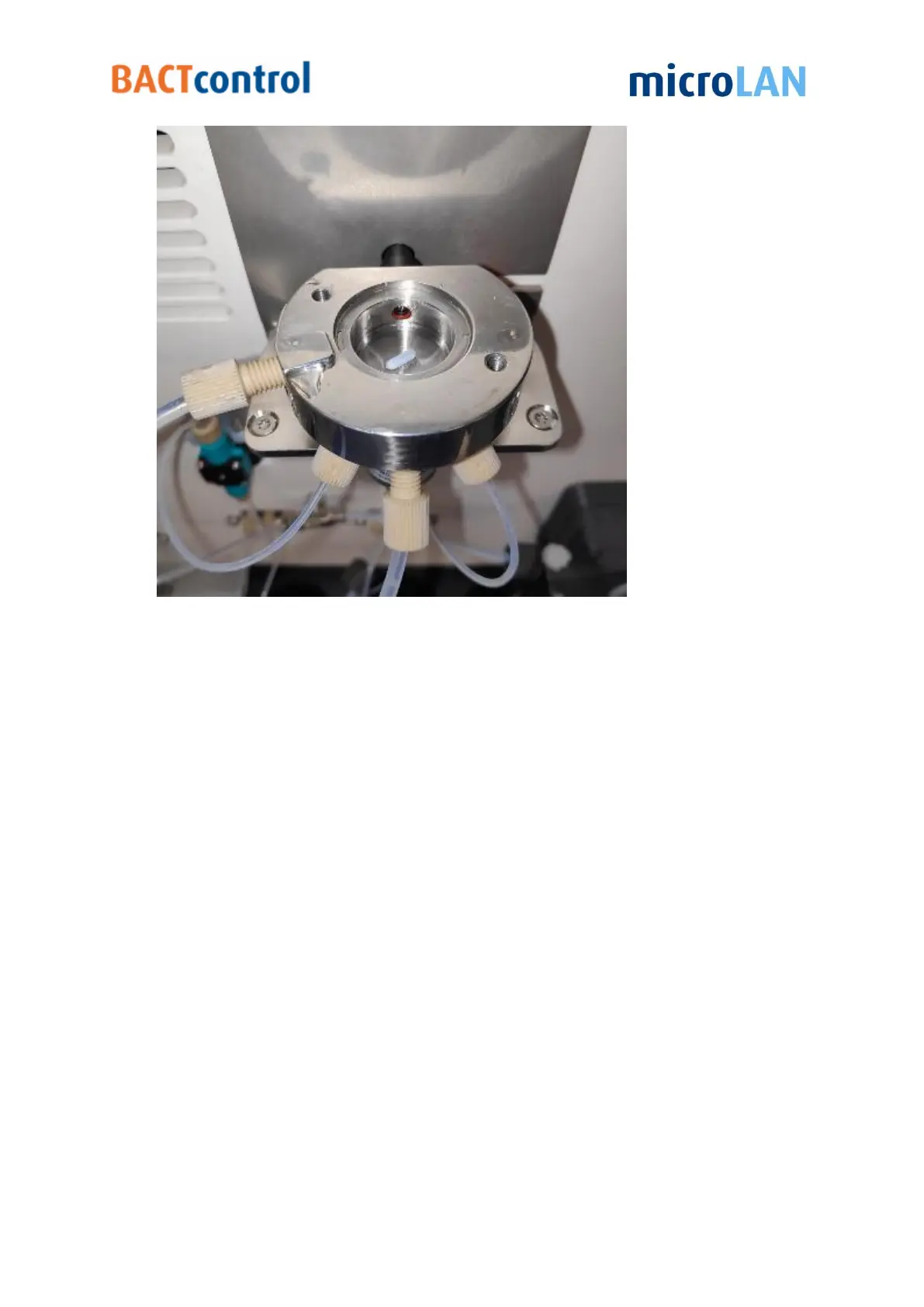
Figure 10 Overview reaction chamber and photodiode window and stirrer
5.3 PHOTODIODE SENSOR UNIT
A photodiode is a light detector, which converts light into voltage or current, depending
on how the device is programmed. A photodiode consist of optical filters and it is built-
in lenses. The photodiode is responsible for the detection of fluorescence which is an
indication of enzymatic activity of specific bacteria (E.coli, coliform, total activity) in the
sample. The photodiode is connected to the reaction chamber, where the sample is
collected.
5.4 TEMPERATURE SENSOR
The temperature sensor ensures that the measurements are carried out at the correct
temperature. Each bacteria has their own temperature optimum, therefore it is
important to monitor it. Also in the case of the calibration it is important to have a
temperature sensor, since the calibration solution is highly sensitive to temperature
changes.
5.5 PRESSURE SENSOR
The pressure sensor is placed between the sampling pump and the reaction chamber
and monitors the sample pressure (see figure 8), which should not exceed 3 bar. After
a period of time and depending on the type of sample the ceramic filter might get
blocked by the many particles present in water, decreasing the sample flow and
increasing the sample pressure. When the pressure exceeds the maximum, the
system will send a warning and stop the measurements.


 To Next Page