Precision™ Spinal Cord Stimulator System Clinician Manual
Clinician Manual
97035873-01 12 of 75
• Tissue reaction to implanted materials can occur. In some cases, the formation of reactive tissue
around the lead in the epidural space can result in delayed onset of spinal cord compression and
neurological/sensory decit, including paralysis. Time to onset is variable, possibly ranging from
weeks to years after implant.
• Skin erosion at the IPG site can occur over time.
• Possible surgical procedural risks are: temporary pain at the implant site, infection, cerebrospinal uid
(CSF) leakage and, although rare, epidural hemorrhage, seroma, hematoma and paralysis.
• External sources of electromagnetic interference may cause the device to malfunction and affect
stimulation.
• Exposure to MRI can result in heating of tissue, image artifacts, induced voltages in the
neurostimulator and/or leads, lead dislodgement.
• Undesirable stimulation may occur over time due to cellular changes in tissue around the electrodes,
changes in electrode position, loose electrical connections and/or lead failure.
• The patient may experience painful electrical stimulation of the chest wall as a result of stimulation of
certain nerve roots several weeks after surgery.
• Over time, the Stimulator may move from its original position.
• Weakness, clumsiness, numbness or pain below the level of implantation.
• Persistent pain at the IPG or lead site.
• Changes in blood glucose levels in response to any adverse event.
In any event, instruct the patient to contact their physician to inform him/her.
Note: Diabetic patients may have increased risks of infection, problems healing around the surgical site, and
complications common to any surgical procedure. The severity of any surgical complication may be
greater in diabetic patients, particularly those with inadequate pre-operative glycemic control.
Instructions for the Physician
WARNING: Use in diabetic patients - Surgical complications and adverse events may be more
frequent and severe in diabetic patients. The following additional considerations should be made for
diabetic patients including:
• A preoperative risk assessment should be performed for patients with diabetes who are at high risk
for ischemic heart disease, those with autonomic neuropathy or renal failure, and patients with a
Hemoglobin A1C (HbA1c) ≥ 8% (64 mmol/mol).
• Monitor the patient’s blood glucose levels in the perioperative period and instruct the patient to
continue to monitor levels as they may uctuate as a response to surgery or to complications.
Implanting physicians and/or anesthesiologists should consult practice guidelines for the
intraoperative management of diabetic patients.
• Closely monitor patient for signs of infection, delayed wound healing, or cerebrospinal uid (CSF)
leakage as the severity of these complications may be greater in diabetic patients.
WARNING: Stimulation modes. Only paresthesia-based stimulation mode has been evaluated for
effectiveness in the diabetic peripheral neuropathy (DPN) population.
Implanted Stimulation Devices. If such implanted devices are indicated for the patient, careful screening is
required to determine if safe results can be achieved before permanently implementing concurrent electrical
therapies.
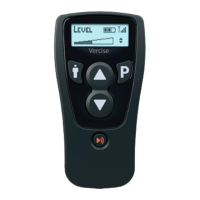
Postural Changes. Depending on the activity level of the patient, postural changes may affect stimulation
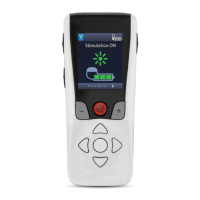
intensity. Instruct patients to keep the Remote Control on hand at all times, and ensure that they understand
how to adjust stimulation levels. If using therapy that does not produce a sensation (subperception), postural
changes are less likely to affect the patient.





 To Next Page