Need help?
Do you have a question about the Deutz 1015 and is the answer not in the manual?
Read manual, intended purpose, trained personnel, observe safety guidelines.
Risks from hot components, electrical systems, unauthorized mods, and maintenance rules.
Features, quality, maintenance practices, and service recommendations.
Explanation of safety symbols, asbestos, and California Proposition 65.
Details on model designation, rating plate, and engine serial number.
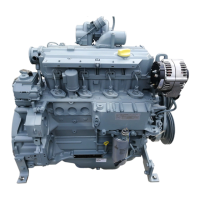
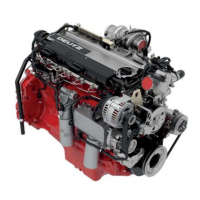
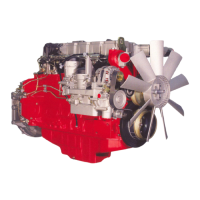
Illustrations of engine components and cylinder numbering.
Procedures for filling engine oil, air cleaner, fuel, and coolant.
Steps for starting the engine and monitoring key parameters.
Using flame-type heater plugs for starting in cold conditions.
Steps for mechanical and electric shutdown of the engine.
Interpreting oil pressure pilot lamps/gauges and coolant temperature indicators.
Checking and interpreting coolant and lube oil level indicators.
Procedures for mechanical and electric shutdown.
Steps for starting the engine using the ignition key.
Recommendations for oil viscosity, fuel, coolant, and additional jobs in winter.
Considerations for engine performance and potential derating at high altitudes/temperatures.
Defining lube oil quality grades and selecting viscosity based on ambient temperature.
Specifications for diesel fuel quality, sulfur content, and winter grade usage.
Water quality requirements and coolant protectant concentration.
List of approved lube oils from various producers for specific engine applications.
Specifications for diesel fuel quality, sulfur content, and winter grade usage.
Guidelines for using winter-grade fuel and adding kerosene at low temperatures.
Limits for water quality parameters like pH, chloride, sulphate, and hardness.
Importance of coolant treatment, use of DEUTZ protectants, and warnings about mixing.
Table showing protective agent concentration for different freezing protection temperatures.
Schedule of maintenance tasks for industrial engines based on operating hours.
Explanation of symbols used in the maintenance schedule (check, adjust, clean, replace).
Specific maintenance values and requirements for engines with EPA approval.
Schedule of maintenance tasks for vehicle engines based on mileage and service groups.
Maintenance tasks for vehicle engines based on mileage and average speed.
Cross-reference of maintenance tasks to specific sections for detailed procedures.
Self-adhesive labels for engine maintenance, including visual aids for tasks.
Table to record and sign off completed maintenance jobs by running hours.
Details on oil change intervals, checking oil level, and renewing the oil filter.
Procedures for fuel filter renewal, leak line replacement, and pre-filter cleaning.
Intervals for cleaning, draining, filling, bleeding, and cleaning the engine.
Lube oil change intervals for industrial engines based on quality grade and engine version.
Lube oil change intervals for vehicle engines based on application, engine version, and mileage.
Steps for checking oil level and performing an engine oil change.
Procedure for removing and replacing the oil filter cartridge.
Steps for replacing the fuel filter cartridge and related safety warnings.
Procedures for cleaning or replacing the fuel pre-filter element and bleeding the system.
Factors affecting cleaning intervals and guide values for different applications.
Steps for draining coolant and filling/bleeding the cooling system.
Procedures for cleaning the engine using compressed air or cold cleaning agent.
Factors influencing cleaning intervals and indications for servicing dry-type air cleaners.
Procedures for cleaning the dust discharge valve and filter cartridge.
Procedures for emptying cyclone precleaners and cleaning oil bath air cleaners.
How to inspect, retension, or renew the alternator V-belt.
Steps for renewing V-belts, including slackening bolts and tensioning.
Procedures for checking and adjusting valve clearances on a cooled engine.
Detailed steps for adjusting valve clearance using specific sequences and tools.
Schematics illustrating valve overlap and adjustment sequences for different engine models.
How to check battery cleanliness, terminals, and connections.
Procedures for checking battery electrolyte level and specific gravity.
Table relating specific gravity to battery state of charge and safety warnings.
Notes on alternator system safety and proper use of lifting tackle for engine transport.
Introduction to using the diagnosis chart for identifying and rectifying engine problems.
Lists common engine troubles (starting, stalling, overheating, poor performance) and their potential causes.
Provides corrective actions (check, adjust, renew, clean, top up, bleed) for identified engine problems.
Detailed causes and remedies for issues like incorrect valve clearance, leaking injection lines, and air in fuel system.
Diagnosing problems related to fuel filters, fuel quality, and lack of coolant.
Steps to protect the engine from rust during extended shutdown periods using preservatives.
Procedures for removing preservatives before recommissioning the engine.
Technical data like cylinders, bore, stroke, displacement, and weight for different models.
Details on engine speed, valve clearance, injection pressure, and coolant specifications.
Information on lube oil viscosity, oil pressure, capacity, and fuel system settings.
Specified torque values for various engine components during assembly or maintenance.
Information on obtaining essential tools, such as the V-belt tension gauge.
Information regarding warnings required for products sold in California concerning diesel exhaust.
Guidelines on where and how warnings must appear in the operator manual.
Information on DEUTZ's worldwide network of service partners and product support.
Details on obtaining service literature, CD-ROMs, and contacting DEUTZ AG.
 General
| Engine Type | Diesel |
|---|---|
| Number of Cylinders | 6 |
| Fuel System | Direct Injection |
| Rated Speed | 2100 rpm |
| Compression Ratio | 17.5:1 |
| Aspiration | Turbocharged |
| Cooling System | Liquid-cooled |


 To Next Page