⚫ Sterilize the centrifuge by wiping with a cloth moistened with 70% ethanol solution.
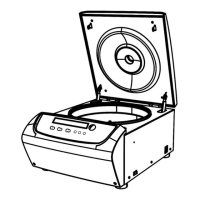
(2) Rotor chamber
CAUTION
⚫ Do not directly pour water, neutral detergent or disinfectant solution into the rotor chamber. Otherwise
fluids may leak into the drive units and cause corrosion or deterioration to the bearings.
⚫ If the rotor chamber needs cleaning, clean with cloth or sponge moistened with a neutral detergent
solution. Sterilize the centrifuge by wiping with a cloth moistened with 70% ethanol solution.
(3)Drive shaft
⚫ We recommend regular maintenance for drive shaft. You can wipe the drive shaft with soft cloth, and
then apply a thin coat of silicon grease.
(4)Door
⚫ Clean and sterilize the door using the same method as the step (1) above.
(5)Rotor
⚫ To prevent corrosion, remove the rotor from rotor chamber. If not in use for a lone term, then detach
the rotor lid and turn upside down to dry the tube holes and keep clean.
⚫ For sample leaks in the rotor, rinse the rotor with water. Apply a thin coat of silicon grease to the rotor
when it is completely dry.
⚫ The rotor should be regular maintenance, recommend to cleaning it each 3 months to ensure tube and
rotor holes keep clean, and then apply a thin coat of silicon grease.
(6) Drain (D3024R)
⚫ The centrifuge is equipped with drain pipe for excess water. Drain off water when water is in drain
pipe.
9.2 Consumables
Replaceable wearing parts listed below. It is recommended to replace these according this table.
9.3 The replacement of seal rings
9.3.1 Instructions
There are three high-temperature rubber seal rings that equipped into rotor to achieve bio-safe. The seal
rings may fall off or aging after several autoclaving, need to be replaced or re-installed.



 To Next Page