8
After an accident
1. Check whether the wheels are still firmly fixed in the drop-outs and whether the
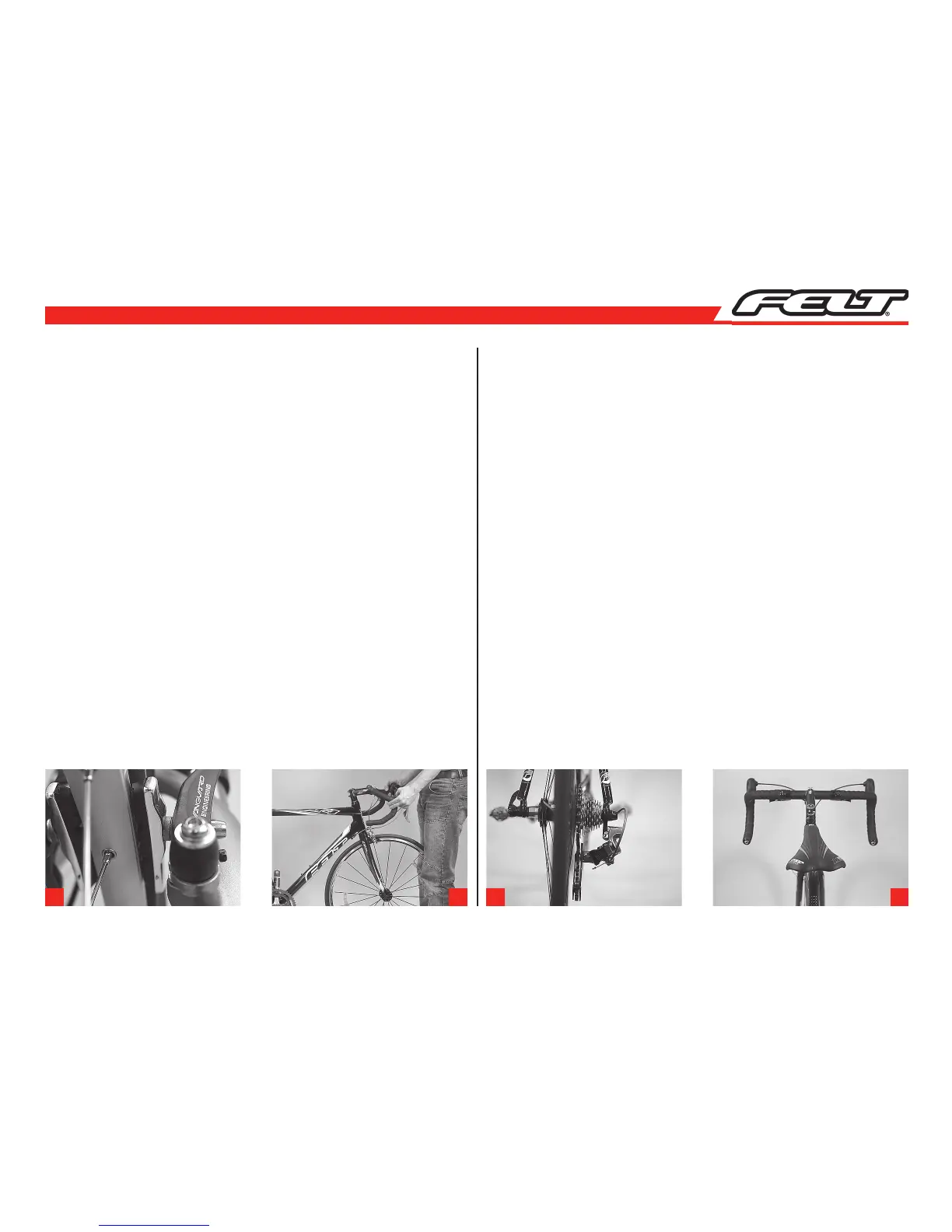
rims are still centred with respect to the frame or fork. With rim brakes spin the
wheels and watch the gap between rims and brake pads (a). If the width of the
gap changes markedly and you have no way to true the rim where you are, you
will need to open the brakes a little so that the rim can run between the brake
pads without touching them. In this case remember that the brakes will not act
as powerfully as you are used to. For more information see the chapters “The
brake system“ and “The wheels and tires“.
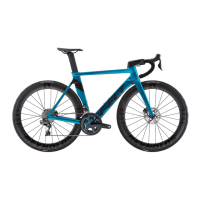
2. Check that handlebars and stem are neither bent nor damaged and that they
are level and upright. Check also whether the stem is firmly fixed in the fork by
trying to twist the handlebars against the front wheel (b). Also, briefly lean on
the brake levers to make sure the handlebars are firmly fixed in the stem. For
more information see the chapters “Adjusting the bike to the rider“ and “The
headset“.
3. See whether the chain still runs on the chainrings and sprockets. If your bike fell
over to the chain side, check that the gears still function properly. Ask somebody
to lift the bike by the saddle, then gently shift through all the gears. Pay particular
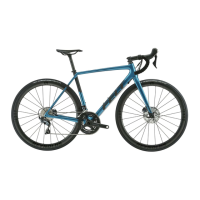
attention when shifting to the small gears, making sure the gear changer does
not get too close to the spokes as the chain climbs onto the larger sprockets
(c). If the derailleur or the drop-outs have been bent, this can cause the gear
changer to collide with the spokes – resulting in a risk of an accident! This in turn
can destroy the gear changer, the rear wheel or the frame!
Check the derailleur function, as a damaged gear changer can throw off the
chain, thus interrupting the power train of the bicycle. For more information see
the chapter “The gears“.
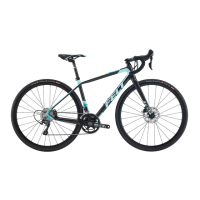
4. Make sure the saddle is not twisted using the top tube
(d) or the bottom bracket
shell as a reference.
a b c d


 To Next Page