5–78 745 TRANSFORMER PROTECTION SYSTEM – INSTRUCTION MANUAL
S4 ELEMENTS CHAPTER 5: SETPOINTS
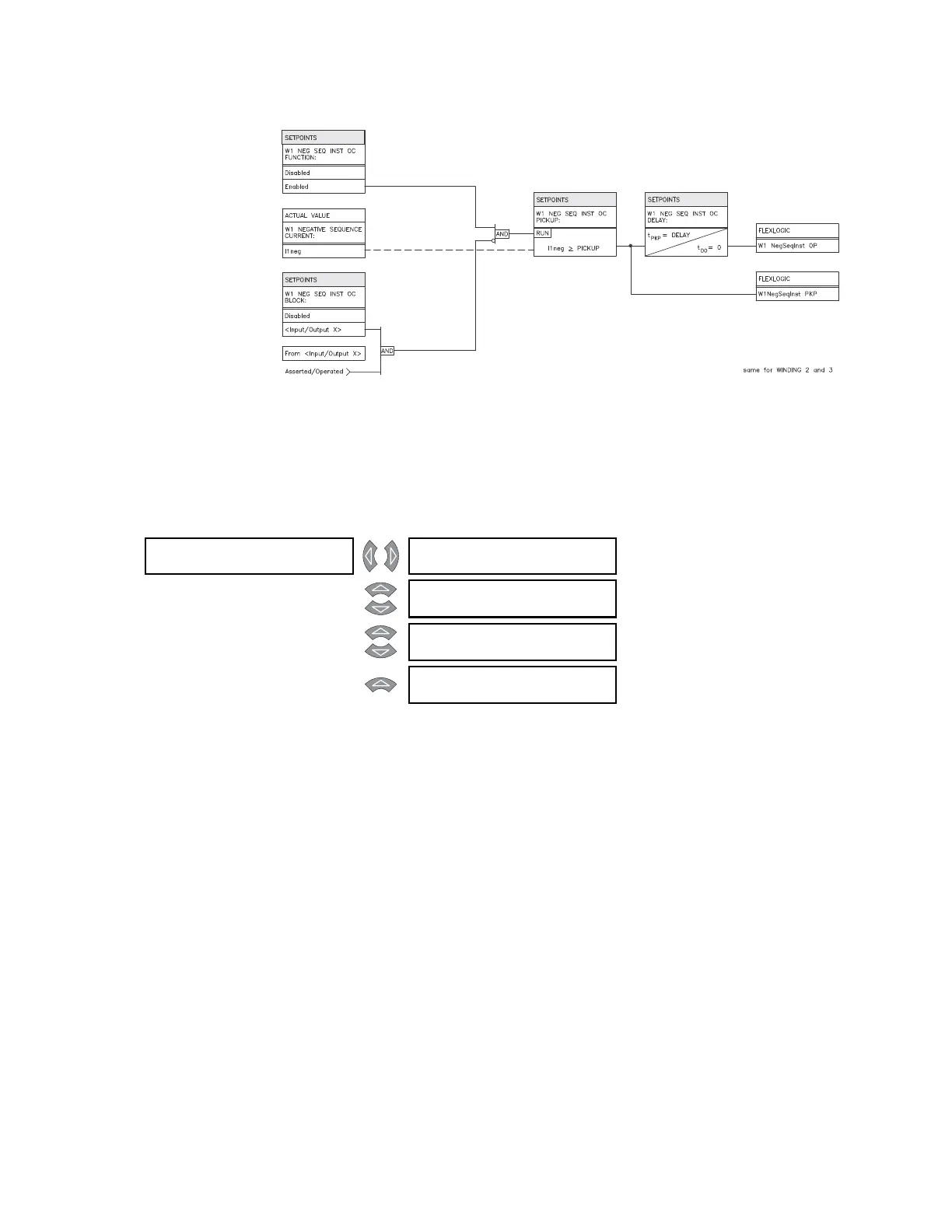
FIGURE 5–29: Negative sequence instantaneous overcurrent logic
5.6.10 Frequency
5.6.10.1 Main Menu
PATH: SETPOINTS S4 ELEMENTS FREQUENCY
The 745 can be used as the primary detecting relay in automatic load shedding schemes
based on underfrequency. This need arises if, during a system disturbance, an area
becomes electrically isolated from the main system and suffers generation deficiency due
to loss of either transmission or generation facilities. If reserve generation is not available
in the area, conditions of low system frequency occur that may lead to a complete
collapse. The 745 provides a means of automatically disconnecting sufficient load to
restore an acceptable balance between load and generation.
The 745 uses both frequency and frequency rate-of-change as the basis for its operating
criteria. These measured values are based on the voltage input or, if voltage is disabled, the
winding 1 phase A current input. The relay has two (2) underfrequency and four (4) rate-of-
change levels. Thus, four or more separate blocks of load can be shed, according to the
severity of the disturbance.
In addition to these elements, the 745 has an overfrequency element. A significant
overfrequency condition, likely caused by a breaker opening and disconnecting load from
a particular generation location, can be detected and used to quickly ramp the turbine
speed back to normal. If this is not done, the overspeed can lead to a turbine trip which
would require a turbine start up before restoring the system. If the turbine speed can be
controlled successfully, system restoration can be much quicker. The overfrequency
element of the 745 can be used for this purpose at a generating location.
FREQUENCY [] UNDERFREQUENCY []
1
See page 5–79
MESSAGE
UNDERFREQUENCY []
2
See page 5–79
MESSAGE
FREQUENCY []
DECAY
See page 5–80
MESSAGE
OVERFREQUENCY []
See page 5–82


 To Next Page