45
5-4. Pneumoplethysmograph
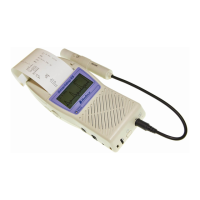
With the PGV-20 (PV mode), Smartdop senses volume changes in a limb or digit by
measuring the pressure changes in a recording cuff.
Basically, “How to use pneumoplethysmograph” is described in this section. For other
matters such as Cautions, Technical information and Interpretations of test result, refer to
the Operating Manual comes with your PV probe assembly.
5-4-1. PV (Pneumoplethysmography) Probe Assemblies
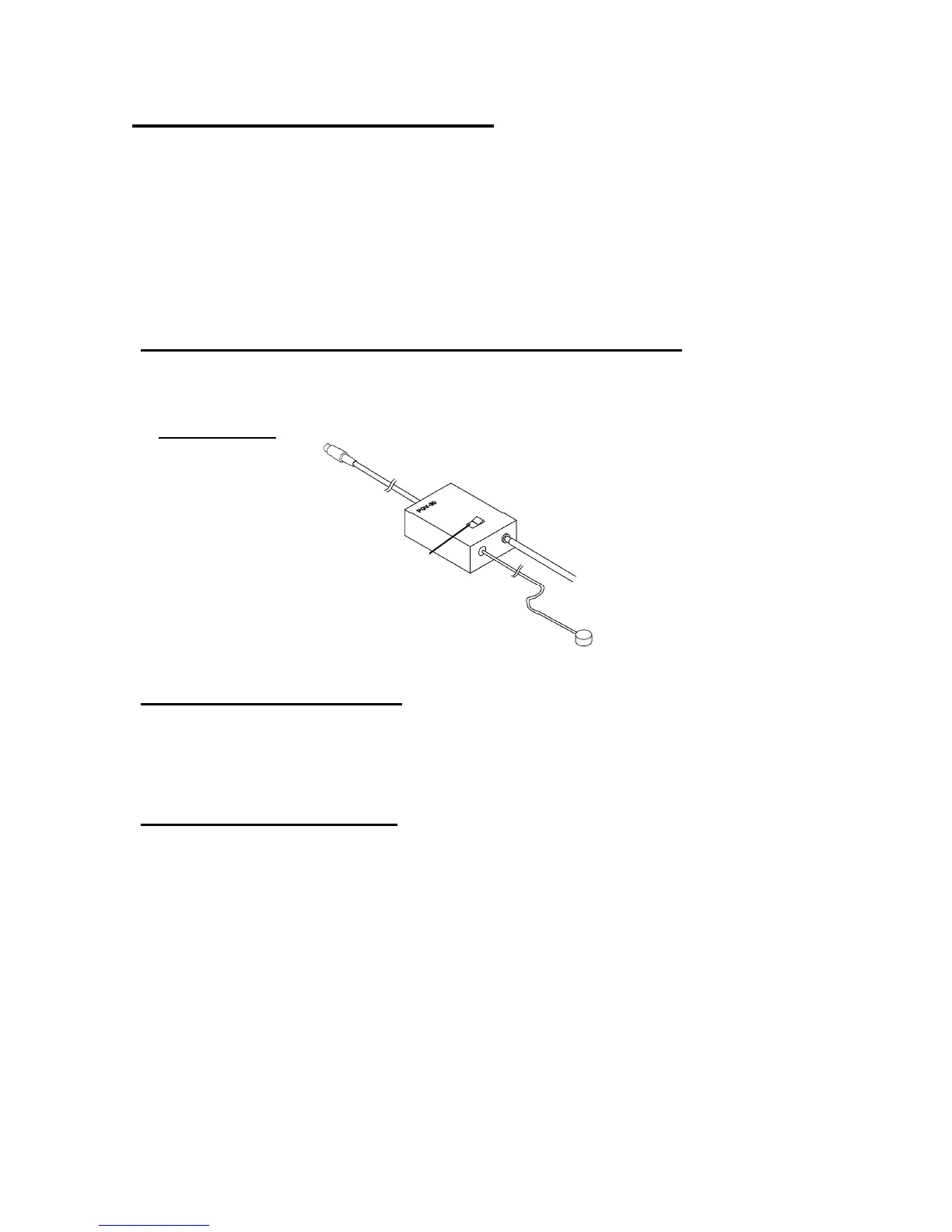
Switchable dual-modality (PPG/PV) single-channel probe
Model PGV-20
5-4-2. Clinical Applications
AC Coupling: PV Arterial studies
DC Coupling: Measurement of maximum venous outflow
5-4-3. PV - Arterial Studies
Purpose
Pneumoplethysmography is useful in detecting arterial occlusive conditions in the lower
limbs through analysis of waveform patterns. The method is sufficiently sensitive for
digital studies. PV also offers an alternative to Doppler techniques for segmental blood
pressure studies. Pneumoplethysmography is particularly useful for patients in whom
vessel calcification prevents accurate Doppler signal processing and occlusion-cuff
pressure measurements.
To the main unit
To the cuff
PPG/PV mode switch


 To Next Page