38
minutes to indicate the alarm is in temporary mute condition. The
smoke alarm is completely operational during the mute cycle and
will alarm if the smoke density increases. After the 10 minutes mute
cycle the alarm will “beep” twice letting you know it has automatically
returned to normal sensitivity.
CAUTION: Before using the “mute” feature, identify the source of
smoke and be certain that safe conditions exist.
TESTING
Test the alarm by pushing the test button on the smoke alarm cover
for at least three seconds, until the alarm sounds. The alarm sounds
if all electronic circuitry, horn and battery are working. If no alarm
sounds, the unit has a defective battery or other failure and should
be replaced immediately.
• Test each smoke alarm weekly to be sure it is installed correctly
and operation properly.
• Test smoke alarms after the recreational vehicle has been in
storage, before each trip, and at least once a week during use.
• Stand at arm’s length from the smoke alarm when testing. The
alarm horn is loud to alert you to an emergency. The alarm horn
may be harmful to your hearing.
• The test button accurately tests all functions. Never use an open
flame from a match or lighter to test this smoke alarm. You may
ignite and set fire to the smoke alarm and your home.
General Detector Information
As you are confined in a RV which is much smaller than a standard
house, you must realize safety detectors will be activated much
sooner than in a residential house, due to there being much less air
volume.
Each of the 3 listed detectors have its own manual and instructions
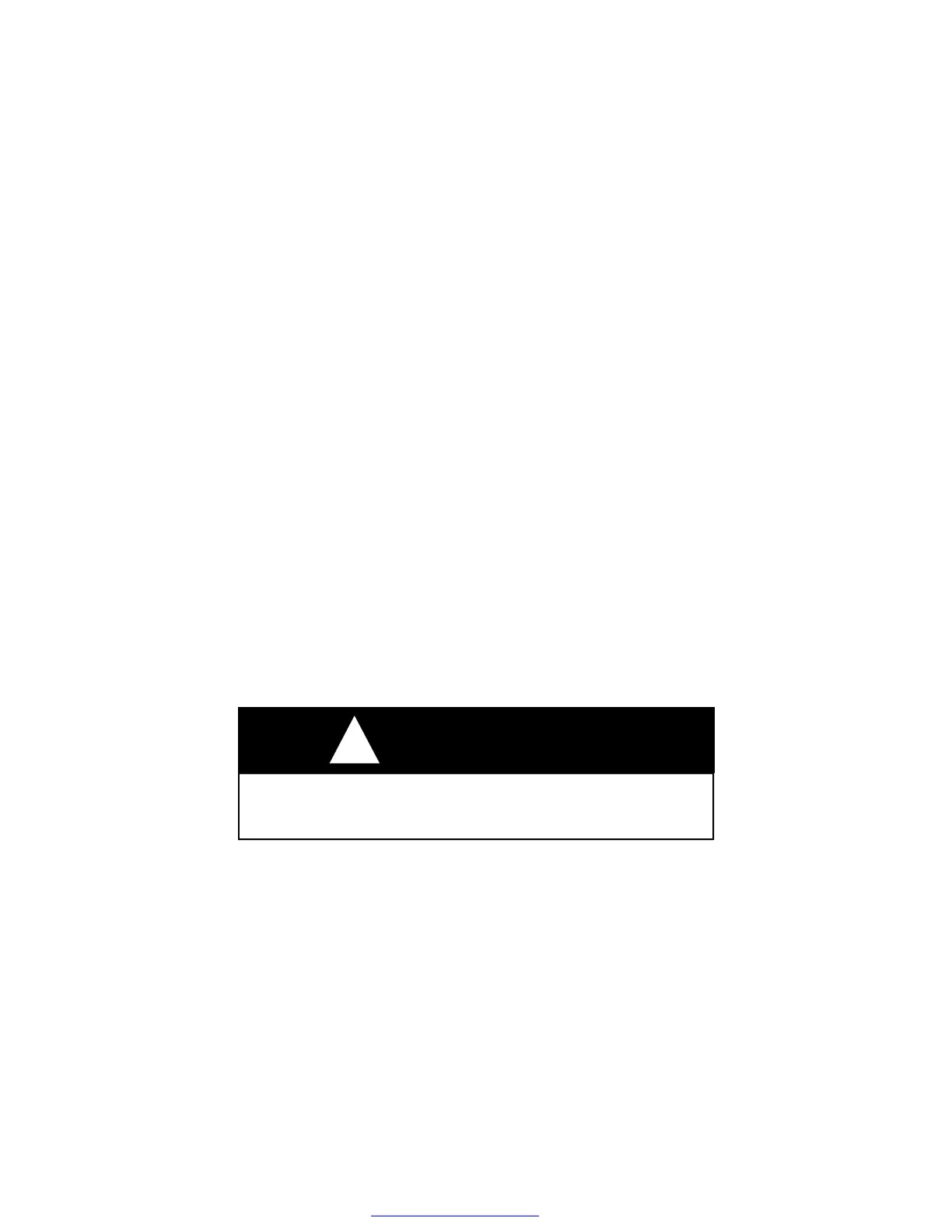
Test safety alarm operation after vehicle has been in storage, before each trip, and at
least once per week during use. Failure to comply may result in serious injury.
WARNING
!
PDF created with pdfFactory trial version www.pdffactory.com


 To Next Page