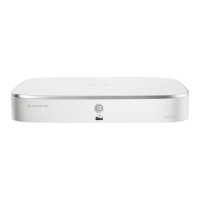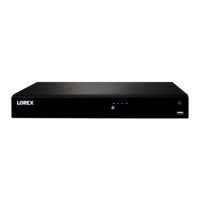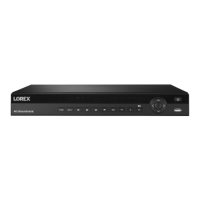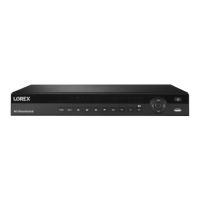
EasyManua.ls Logo

Lorex N842A82 - User Manual

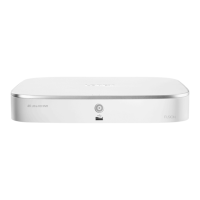
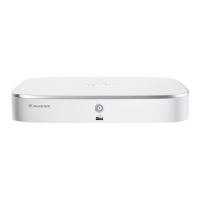
Lorex N842A82
126 pages
Print Icon
To Next Page IconTo Next Page
Loading...
User Manual
N842 Series

Table of Contents

Questions and Answers

  • C
    Christopher CampbellAug 2, 2025
    How to troubleshoot a Lorex DVR that is not powering on?
    • J
      Jeff NelsonAug 2, 2025
      If your Lorex DVR system isn't receiving power or powering up, check the following: * Make sure the cable from the power adapter is securely connected to the back of the unit and plugged into the outlet. * Confirm the system is powered on by checking the LED indicators on the front. If connected to a power bar or surge protector, try connecting directly to the wall outlet. * Verify the outlet has power by testing it with another device or trying a different outlet.
  • A
    Amy LittleAug 7, 2025
    How to fix a Lorex DVR when the hard drive is not detected?
    • R
      Ronald SandersAug 7, 2025
      If the hard drive isn't being detected by your Lorex DVR system: * First, remove the housing and check that the hard drive cables are firmly connected. * If there is no hard drive in the system, open the housing and install a compatible hard drive. Make sure to format the drive after installing.
  • A
    Andrew OneillAug 10, 2025
    How to stop Lorex N842A82 from beeping during motion detection?
    • K
      kenneth42Aug 11, 2025
      The Lorex DVR system beeps during motion detection because motion detection is enabled and the alarm buzzer is activated. Uncheck the Buzzer option in the motion detection configuration screen.
  • T
    Tammy MckayAug 16, 2025
    What to do if there is no picture on my Lorex N842A82 monitor/TV?
    • K
      kevinhenryAug 16, 2025
      If you're not seeing a picture on your monitor or TV after connecting it to the Lorex DVR system, try these steps: * Power off the monitor/TV and the system. Then, power on the monitor/TV first, followed by the system. * Ensure that you've selected the correct input channel on your monitor/TV to which the system is connected. * Check the video cable connection at both the system and the monitor/TV to ensure it is secure. If the issue persists, your camera may not be compatible with the recorder. Visit lorex.com/compatibility and navigate to N842 Series for a list of all compatible cameras.
  • N
    Nicholas JamesAug 19, 2025
    Why is there no picture on some channels of my Lorex N842A82 DVR?
    • A
      Angela KingAug 19, 2025
      If there's no picture on certain channels or a camera picture isn't displaying on your Lorex DVR, consider these potential causes: * The camera cables might be loose or disconnected. Check the video cable and connections, disconnecting and reconnecting at both the system and the camera. Try moving the camera to another channel or use another cable. * The camera may not be compatible with the recorder. Visit lorex.com/compatibility and navigate to N842 Series for a list of all compatible cameras. * If you're using multiple PTZ cameras connected to the recorder’s PoE ports, the recorder’s power output may be exceeded. Lorex PTZ cameras come with a power adapter, which you can use to power the camera instead of the recorder’s PoE ports.
  • R
    Ryan AvilaAug 25, 2025
    What to do if my Lorex N842A82 is not detecting the mouse?
    • A
      Amanda RichardsonAug 25, 2025
      If your Lorex DVR system isn't detecting the mouse, try these steps: * Ensure the mouse cable is firmly connected to one of the USB ports. * If the issue persists, power off the system by disconnecting the power cable. Then, firmly connect the USB mouse to a USB port and reconnect the power cable to the DC 12V port on the rear panel.
  • D
    Dylan MendozaAug 28, 2025
    Why am I not receiving email notifications from my Lorex N842A82?
    • T
      Timothy WilkinsonAug 28, 2025
      If you are not receiving email notifications from your Lorex DVR, ensure that email notification is configured and enabled. Also, check that 'Send Email' is selected in the Event menu for the specific events you want to receive notifications for.

Summary

Important Safeguards

General Precautions

General safety guidelines for product operation, cleaning, and placement.

Installation

Instructions and safety precautions for installing the product and its components.

Service

Guidelines for servicing the product and when to refer to qualified personnel.

Use

Guidelines for safe and proper usage of the product, including cleaning and handling.

Package Contents

Recorder Overview

Front Panel

Description of the recorder's front panel components and their functions.

Back Panel

Description of the recorder's back panel ports and their functions.

Basic System Setup

STEP 1: Connect cameras

Instructions for connecting cameras to the NVR or local network.

STEP 2: Connect router

Instructions for connecting the NVR to a router via Ethernet cable.

STEP 3: Connect mouse

Instructions for connecting the included USB mouse to the recorder.

STEP 4: Connect monitor

Instructions for connecting a monitor via HDMI or VGA cable.

STEP 5: Connect power

Instructions for connecting the power adapter to the recorder.

STEP 6: Upgrade Firmware to Latest Version (If Available)

Guidance on upgrading system firmware for improved functionality.

Quick Access to System Information

How to view vital system information like model and serial number.

Connecting Cameras to the Local Area Network (LAN)

Instructions for connecting IP cameras to the NVR via a local network.

Camera Installation

Installation Tips

General tips for optimal camera placement and installation.

Installing Cameras

Steps for physically mounting cameras to a surface.

Connecting Camera Extension Cables

Instructions for connecting cameras using Ethernet extension cables.

Wired; Wireless Fusion

Information on integrating NVR with other Lorex Fusion™ products.

Using the Mouse

Setting the Date & Time

Using the On-Screen Display

Navigation Bar

Overview of the navigation bar controls for system interaction.

Quick Menu

Accessing system functions quickly via the on-screen quick menu.

Camera Toolbar

Quick functions for a specific camera channel via the toolbar.

On-Screen Keyboards

Using the full and number keyboards for input.

Camera Image Settings

Adjusting image settings like brightness, contrast, and color for cameras.

Recording

Video Recording Types

Explanation of supported recording types: continuous, motion, and smart motion.

Configuring Recording Quality

Setting up Main and Sub stream recording quality for optimal storage and streaming.

Setting the Recording Schedule

Customizing recording schedules to optimize hard drive space usage.

Setting up Scheduled or Manual Recording

Configuring scheduled or manual recording options for the system.

Configuring Hard Drive Overwrite

Managing hard drive behavior when it is full, including overwrite settings.

Playback

Playing Back Video from the Hard Drive

Steps to search and play back recorded video from the system's hard drive.

Playback Controls

Overview of controls for navigating and managing video playback.

Area Search

Performing searches based on specific areas within the camera's field of view.

Video Clip Backup

Saving selected video clips to a USB flash drive.

Playing Back Video from a USB Drive

How to play back video files stored on a USB drive.

Backup

Formatting the USB Flash Drive

Recommended procedure for formatting a USB drive before use.

Backing Up Video

Steps to save video recordings from the system to a USB flash drive.

Using Video Clip Backup

Utilizing video clip backup feature for specific segments.

Viewing Backed Up Files

Instructions for viewing video files backed up to a USB drive.

Motion Detection

Status Icons

Understanding icons indicating motion detection status.

Configuring Motion Detection

Setting preferences for motion detection and system responses.

Active Deterrence

Automatic Deterrence Settings

Configuring automatic warning lights and sirens triggered by motion.

Manually Activate Deterrence Features

Methods to manually trigger deterrence features like lights and sirens.

Smart Motion Detection

Ensuring Accurate Person & Vehicle Detection

Tips for optimal camera placement for accurate person/vehicle detection.

Configuring Person & Vehicle Detection

Setting up person and vehicle detection preferences and schedules.

Searching for Person & Vehicle Detection Events (Smart Search)

Filtering recorded video to search for person or vehicle detection events.

Configuring Active View

Setting up active view to track and zoom in on moving objects.

Face Detection

Optimizing Face Detection Accuracy

Tips for optimal camera placement for accurate face detection.

Configuring Face Detection

Setting up face detection preferences and schedules for cameras.

Face Preview

Previewing captured faces in the live view display.

Performing Smart Search for Face Detection

Searching for face detection events and backing them up.

Managing Passwords and User Accounts

User Accounts

Information on default admin and user accounts.

Changing Passwords

Procedure for changing system account passwords.

Adding Users

Creating new user accounts with specific menu access.

Modifying Users

Editing existing user account details and permissions.

Deleting Users

Removing user accounts from the system.

Account Groups

Managing permissions through user account groups.

Adding Groups

Creating new groups with custom system permissions.

Modifying Groups

Editing existing group names and permissions.

Deleting Groups

Removing user groups from the system.

Using the Main Menu

Main Menu Overview

Overview of the main menu structure and its functions.

Setting the Monitor Resolution (Display)

Configuring the system's monitor resolution and display settings.

Configuring Sequence Mode

Setting up sequence mode to cycle through camera views.

Camera Menu

Managing IP cameras, recording parameters, and custom titles.

Viewing Camera Status

Checking connection and alarm status for all connected cameras.

Camera Firmware Versions

Viewing firmware versions for all connected cameras.

Upgrading Camera Firmware

Procedure for updating firmware on connected IP cameras.

Configuring Video Overlay Settings

Customizing text and information displayed over camera images.

Configuring Privacy Masking

Blocking specific areas in camera views from recording.

Configuring Snapshot Recording Settings

Setting up snapshot recording triggered by motion or schedule.

Creating Custom Channel Names

Assigning custom names to cameras based on their location.

Information Menu

Viewing system information like storage, network, and warnings.

Version Information

Displaying system information such as device ID, model, and firmware version.

Hard Drive Information

Viewing capacity, status, and type of installed hard drives.

BPS

Displaying bitrates of connected cameras.

System Log

Searching for system logs within a specified time range.

Alarm

Summary of active system alarms and related information.

Online Users

Viewing users currently connected to the system.

Network Load

Monitoring network traffic being sent and received by the system.

Network Test

Testing system connectivity to other devices on LAN or Internet.

Saving Your System Configuration to a USB Thumb Drive

Backing up system configuration settings to a USB drive.

Restore Default Settings

Restoring the system to its original default settings.

Upgrading Firmware Manually

Procedure for manually upgrading system firmware via USB drive.

Automatic Firmware Upgrades

Configuring the system to automatically check for firmware updates.

Network Settings

Configuring general system settings, recording schedule, motion settings, and more.

Selecting DHCP or Static IP Address (TCP;IP)

Configuring IP address settings using DHCP or static IP.

Configuring System Ports (Connection)

Configuring system ports for remote connectivity and DDNS.

Configuring Email Alerts

Setting up the system to send email alerts for events.

Configuring Switch Settings (Advanced)

Advanced configuration for the internal PoE switch settings.

P2 P Setting

Enabling or disabling remote access using a P2P connection.

Performing Smart Search for Safeguard

Searching for safeguard events and backing them up.

Configuring Smart Plan

Selecting and configuring smart plan features like Face Detection or Smart Motion.

Configuring Safeguard

Automatically detecting missing or left behind objects in camera views.

Configuring Video Loss Settings

Configuring system reactions to video loss events.

Configuring Hard Drive Warnings

Setting up notifications for hard drive issues like errors or full capacity.

Configuring Network Warnings

Configuring alerts for network issues like disconnections or IP conflicts.

Searching Event Logs

Searching for system events including motion detection and video loss.

Configuring Pre-Recording

Setting up pre-recording for motion detection events to capture full events.

Formatting the Hard Drive

Procedure for formatting the hard drive to erase all saved data.

Configuring Hard Drive Type

Setting the hard drive type to Read/Write or Read-Only.

Configuring Record Estimate (Recording Calculator)

Estimating recording time based on hard drive capacity.

FTP (Advanced)

Configuring FTP settings to send recordings and snapshots to an FTP server.

Configuring General System Settings

Configuring miscellaneous system settings like language and playback.

Configuring Holidays

Setting special recording schedules for holidays.

Configuring IP Filter

Configuring permissions for external IP addresses accessing the unit.

Shutdown

Connecting Remotely using the Lorex Home Mobile App

Smart Home & Voice Assistance

Pan;Tilt;Zoom (PTZ) Cameras

Connecting PTZ Cameras to the Recorder

Instructions for connecting Lorex HD PTZ cameras to the recorder.

Basic PTZ Controls

Controlling PTZ camera movements and basic functions.

Advanced PTZ Controls

Using advanced PTZ features like presets, tours, and patterns.

Presets

Saving camera positions for quick retrieval.

Tours

Creating and running tours that cycle through presets.

Patterns

Creating and running camera movement patterns.

AutoScan

Configuring automatic camera scanning between set points.

Connecting Audio Devices

Replacing the Hard Drive

Removing the Hard Drive

Step-by-step instructions for removing the internal hard drive.

Installing a New Hard Drive

Step-by-step instructions for installing a new hard drive.

DDNS Setup (Advanced)

STEP 1: Port Forwarding

Configuring router port forwarding for DDNS connectivity.

STEP 2: Create a Lorex Account

Creating a Lorex account required for DDNS setup.

STEP 3: Activate Your Warranty

Activating the manufacturer's warranty for the recorder.

STEP 4: Sign Up for a DDNS Account

Signing up for a DDNS account for remote access.

STEP 5: Enable DDNS on the Recorder

Configuring DDNS settings on the recorder using account information.

Troubleshooting

Technical Specifications

System Hardware Specifications

General, input/output, and display hardware details.

System Operational Specifications

Specifications for recording, playback, and storage.

Special Features

Overview of special features like Smart Motion and Face Detection.

Smart Home

Compatibility with smart home platforms like Alexa and Google Assistant.

Connectivity

Specifications for mobile viewing, app compatibility, and network interfaces.

Additional Specifications

Details on firmware upgrades, power, dimensions, and operating conditions.

Notices

Regulatory Compliance

FCC/IC, CE, and ICES-003 statements for device operation.

Compliance and Modification

RoHS compliance and modification restrictions for the device.

Lorex N842A82 Specifications

General IconGeneral
Channels8
Video OutputHDMI, VGA
Operating SystemLinux
ONVIF CompatibilityYes
Network ConnectivityEthernet
Remote AccessYes
Power Supply12V DC
Motion DetectionYes
Resolution4K
Hard Drive1TB
Audio Input/Output1 RCA Input / 1 RCA Output
Recording Resolution1080p
Remote ViewingYes
CompressionH.265, H.264
Operating Temperature-10°C to 55°C

Related product manuals