Chapter 4 Analog Input
NI USB-621x User Manual 4-30 ni.com
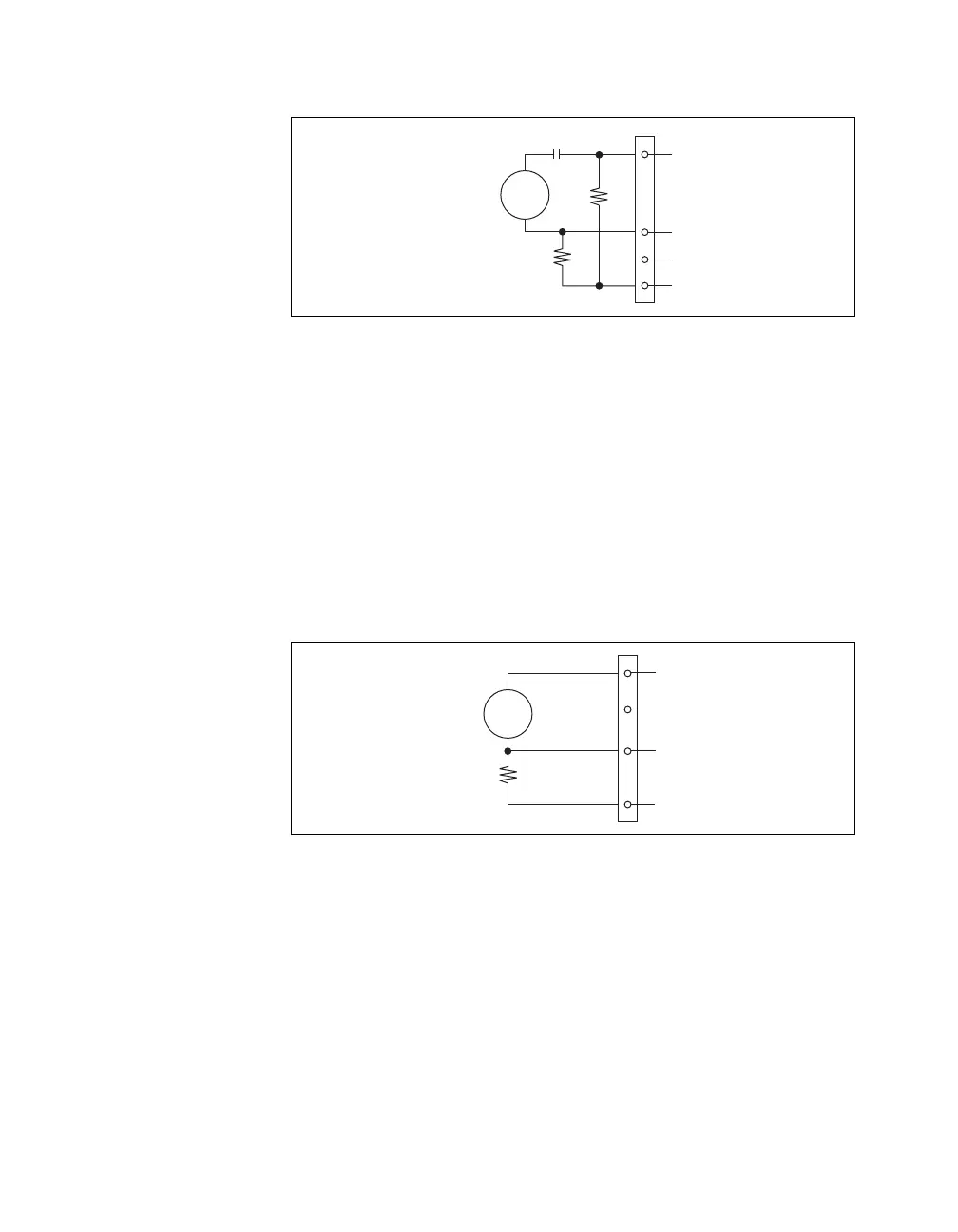
Figure 4-19. Differential Connections for AC Coupled Floating Sources
with Balanced Bias Resistors
Using Non-Referenced Single-Ended Connections
for Floating Signal Sources
It is important to connect the negative lead of a floating signals source to
AI GND (either directly or through a resistor). Otherwise, the source may
float out of the valid input range of the NI-PGIA and the DAQ device
returns erroneous data.
Figure 4-20 shows a floating source connected to the DAQ device in
non-referenced single-ended mode.
Figure 4-20. Non-Referenced Single-Ended Connections for Floating Signal Sources
All of the bias resistor configurations discussed in the Using Differential
Connections for Floating Signal Sources section apply to the
non-referenced single-ended bias resistors as well. Replace AI– with AI
SENSE in Figures 4-16, 4-17, 4-18, and 4-19 for configurations with zero
to two bias resistors. The noise rejection of non-referenced single-ended
mode is better than referenced single-ended mode because the AI SENSE
connection is made remotely near the source. However, the noise rejection
of non-referenced single-ended mode is worse than differential mode
because the AI SENSE connection is shared with all channels rather than
being cabled in a twisted pair with the AI+ signal.
–
+
AI GND
V
s
AC-Coupled
Floating
Signal
Source
AI+
AI–
AI SENSE
AC Coupling
–
+
AI GND
R
AI SENSE
AI
V
s
Floating
Signal
Source


 To Next Page
 Loading...