Field Wiring │ Vmax I&O Manual
Legislation and Guidelines - At the time this document was written, standards and
guidelines regulating the prevention of Legionella in the United States and Canada were
mostly voluntary. The American Society of Heating, Refrigerating and Air-Conditioning Engineers, Inc.
(ASHRAE) is currently in the process of converting its guideline entitled "Minimizing the Risk of Legionellosis
Associated with Building Water Systems" (ASHRAE Guideline 12-2000) into an official standard. Consult with
your local authorities as to recommended guidelines for controlling Legionella in potable water systems.
Storing water at temperatures >140°F may not be permitted in some States, so check with
the authorities having jurisdictions. In Canada, recent changes to the National Plumbing
Code requires that domestic hot water be stored at or above 61
o
C (140
o
F) and then mixed down to safe
temperatures at the tank outlet using a “Thermostatic Mixing Valve”; see Figure 11-1.
General Guidelines - In the absence of a National standard or local code, the following are general guidelines
for “good practice” on maintaining, monitoring and operating your potable water system:
Store domestic hot water at temperatures > 61
o
C (140
o
F).
Store and distribute cold water at temperatures below 20
o
C (68
o
F).
System supply for uses other than high temperature applications typically greater than 46
o
C (115
o
F)
shall be equipped with a thermostatic mixing valve on the hot water outlet to reduce potential scald
hazards.
Clean aerators and nozzles on water fixtures on a regular basis to reduce scale build-up.
Clean storage tanks and remove sediment. Flush storage tanks and piping systems regularly for 10-30
minutes at high water temperatures (depending on guidelines used) to rid the system of sediment and
scale that develops, typically in the bottom of storage tanks where water temperature is coolest; and
piping runs where water can stagnate.
Abandoned water lines should be capped off at the distribution main, not at the most convenient place.
Avoid dead-ends in piping system. If unavoidable, provide a drainage port in these areas at the lowest
point to flush out stagnant water regularly.
Insulate Domestic Hot Water piping and recirculation lines to R-2.6.
Insulate the last 5 ft of the cold water line entering the tank to R-2.6.
Keep pipe runs as short as possible to avoid unnecessary heat loss.
Recommend annual water testing of water in your tank and piping system(s) to monitor water
conditions.
Keep a maintenance record of when your indirect water heater and storage tank were cleaned, piping
systems flushed and who did the service work.
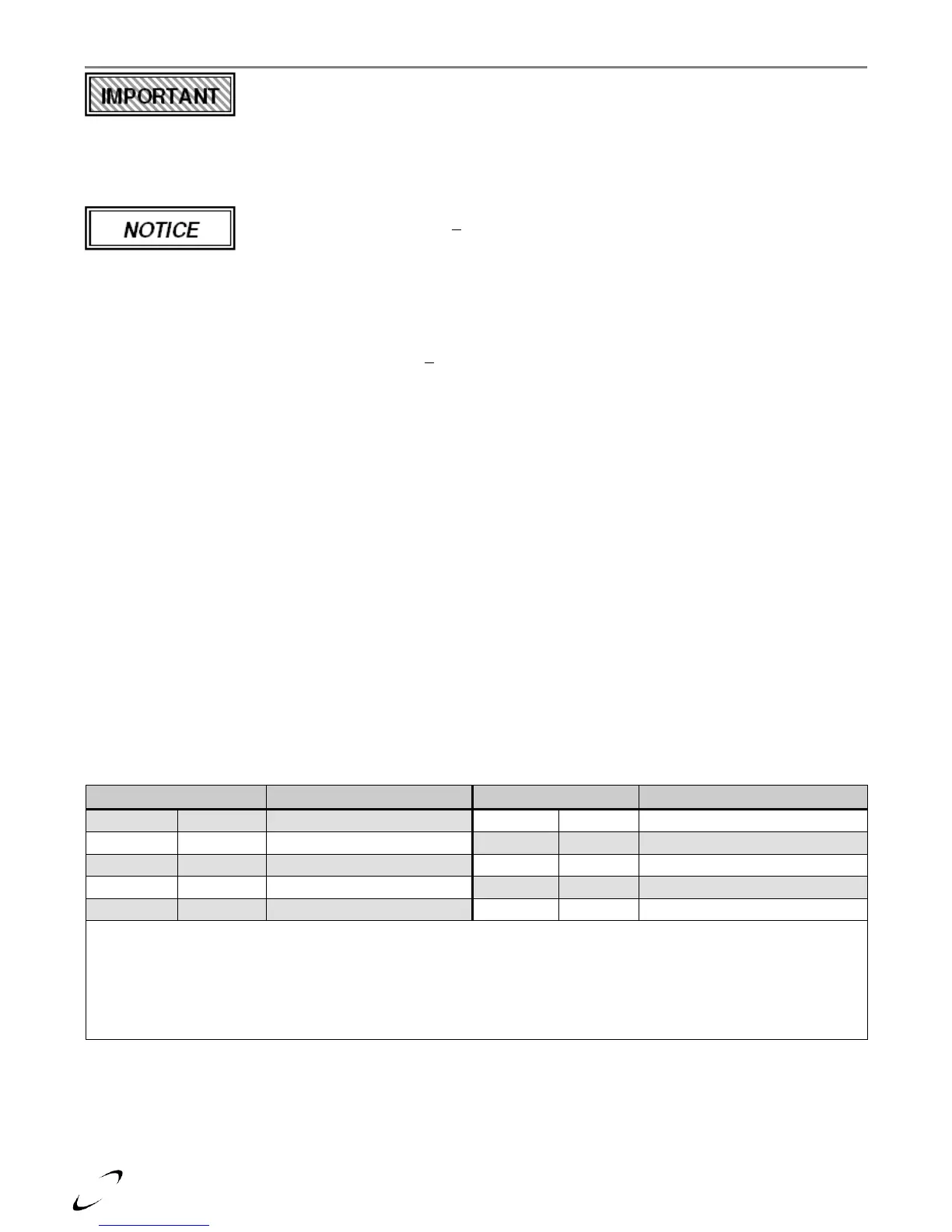
Table 11-1 How Water Temperature relates to Legionella and Scald Hazard
Exposure Time vs Burn
5
1 second - 2
nd
or 3
rd
degree burn
Bacteria die within minutes
5 seconds - 2
nd
or 3
rd
degree burn
Bacteria die within hours
5 seconds - 1
st
degree burn
Bacteria thrive and multiply
1 minute - 1
st
degree burn
5 hours - 1
st
degree burn
3,4
Notes:
1
Published by Chartered Institute of Plumbing and Heating Engineering, Databyte series, "Safe Hot Water Temperatures."
2
The elderly and small children are susceptible to bad burns at shorter exposure times than listed in this table.
3
A thermostatic mixing valve should be installed on DHW storage tanks when outlet temperatures exceed 115
o
F [46
o
C].
4
Typical water temperature for bathing or showering range between 98-113
o
F [37-45
o
C].
5
Temperature-Time-Burn Chart published by John Hopkins University, excluding notes.


 To Next Page