January
March
April
February
This is the month by month guide to what your bees are doing, what you
should be doing, and what the Beehaus should look like. The exact timing
of some of the bees behaviours and the actions you take, vary according
to size of colony, weather and the temperament of your bees. It starts
in January and assumes that the colony has over-wintered in the hive. If
you are starting with a nucleus, just go to the month that you received
your bees.
What are the bees doing?
The bees are still in their winter cluster. Sometime in January, the
bees will raise the temperature of the cluster from the winter norm
of 15-17
o
C up to 33-35
o
C in order to stimulate the queen bee to
start laying. On a clear day you should see some bees flying. These
are “cleansing” flights (bees don’t like to relieve themselves in
their own home). They may also be collecting water to dilute the
stored honey.
What should you be doing?
You can remove the wasp guard and clear any dead bees from the entrance
using the curved end of the hive tool. You shouldn’t open the Beehaus,
this will chill the bees. If there is snow on the ground, this can confuse the
bees into thinking it’s a sunny day and they fly out en mass. They quickly
become cold and many will die. To prevent this shield the entrance with a
board to cut the light out.
Feed
With experience, you will be able to tell by lifting one side of the Beehaus
roughly how much stores the bees have left. But until you have gained
that experience it’s better to be safe than sorry. Put some food on,
(fondant is best at this time of year), using the clearer board directly above
the brood.
Health
Put the inspection tray in for 6 days and then count the drop. If the
mite drop over that period is greater than 3 (or more than 0.5 mites per
day), you should consider lactic acid treatment. Please see the health
section for more information on Page 46.
What will the Beehaus look like inside?
What are the bees doing?
The bees will still be in their cluster with the queen laying at the centre
of it. On a clear day you should see some bees flying. These are cleansing
flights. If it’s an unusually early spring they may have started collecting
water and new pollen.
What should you be doing?
There’s not a lot to do in February but as the beekeeping season is now
just around the corner you should order any new equipment you need,
such as frames and foundation, to make sure you have them in time.
Feed
If you put feed on in January and they are still taking it, put some more
on. If you didn’t put any on in January then it’s a good idea to put some
fondant on now, just to make sure your bees don’t starve.
Health
Nothing in particular to watch out for in February.
What will the Beehaus look like inside?
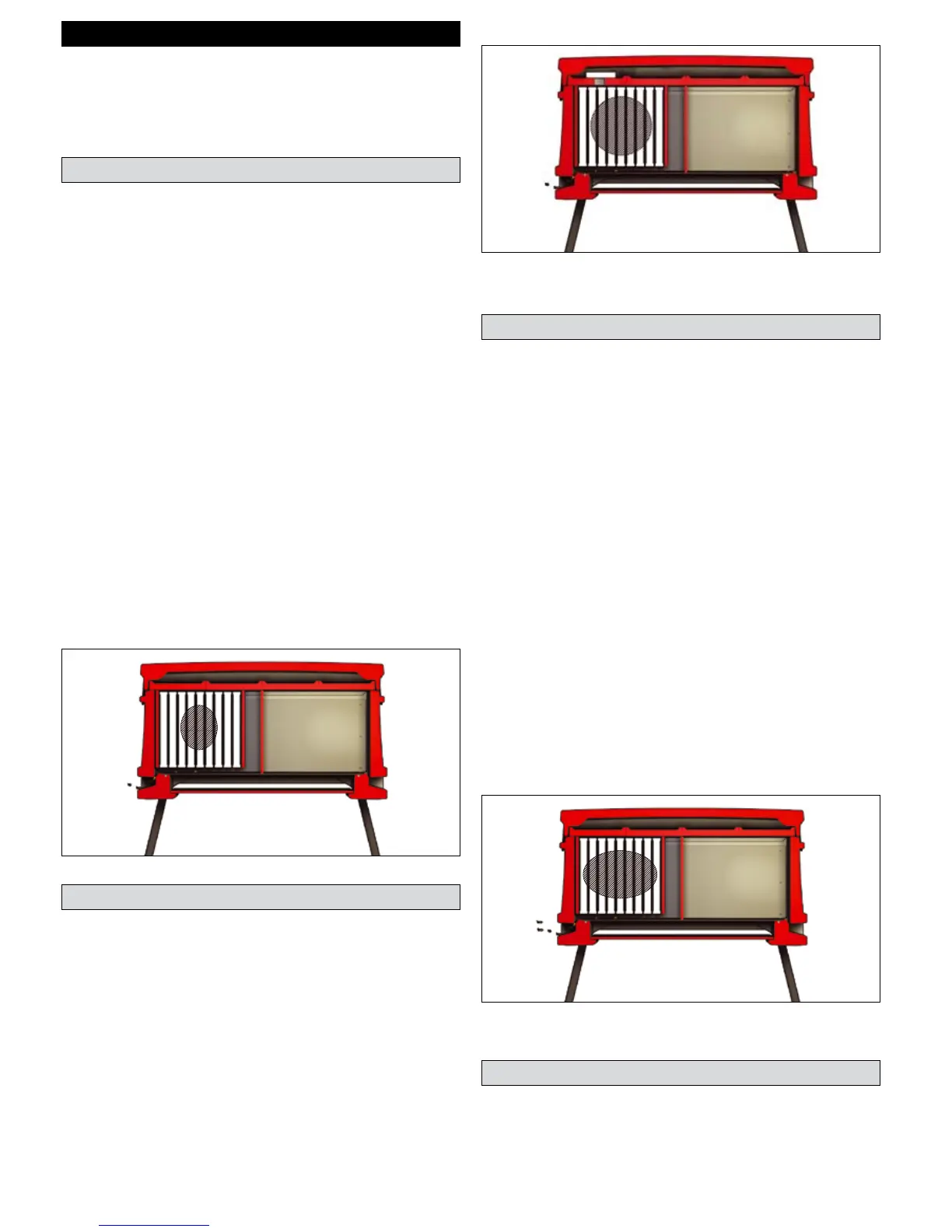
Bees clustering on 9 frames.
What are the bees doing?
Unless it’s still very cold, there should be regular activity now with
foragers eagerly collecting pollen and any early nectar. The queen will
be laying at a good rate and the colony will be increasing in size. The
bees will be consuming a lot of honey and pollen and their stores may be
running low.
What should you be doing?
Choose a warm day (at least 15
o
C) when the bees are flying and have a
quick look inside the Beehaus. If you find the stores are very low (i.e less
than 5 kilos which is about one brood frame or two super frames) - then
you need to emergency feed with either a block of fondant on top or a
liquid feed if its not freezing. You can also gain insight into the state of
colony by watching the entrance of the hive. Bees should be coming and
going with pollen for the brood.
Feed
If it’s still cold and stores are running low then put some more feed on
for your bees.
Health
You should add the inspection tray and after a week count the varroa
mite drop. If there ismore than 1 mite per day, prepare to cull drone
brood in April. See the health section on how to do this on Page 46.
If your bees are flying on warm days and you see spots and streaks on
the Beehaus it may be that they have Nosema. See the health section
on Page 46 for more information and treat accordingly.
What will the Beehaus look like inside?
What are the bees doing?
The colony will be growing daily because the eggs that the queen has
been laying since January are now hatching. Some of the new bees will
already have matured to foraging status so you should see a lot of bees
out flying bringing in bags of pollen on their legs and nectar in their
stomachs. The queen should be laying at full speed now and the brood
will increase rapidly in size. You may see the first few drones flying.
If warm, some early activity will be seen with bees starting to fly out.
The beekeeping year
Bees clustering on 9 frames.
There is also a block of fondant in case the bees need it.
Open Closed
Open Closed
Open Closed



 To Next Page