5 Paddle Accessory Options
Paddle Accessory Options
LIFEPAK 20 Defibrillator/Monitor Operating Instructions 5-5
©2002–2013 Physio-Control, Inc.
For adult patients, follow the procedures for ECG monitoring, AED defibrillation, manual defibrillation,
synchronized cardioversion, and pacing described in Section 3 or Section 4.
For pediatric patients, follow the procedures for ECG monitoring, manual defibrillation, synchronized
cardioversion, and pacing except for the following:
• Select the appropriate defibrillation energy for the weight of the pediatric patient according to the
American Heart Association (AHA) recommendations or local protocol. Using energy levels of
100 J or greater is likely to cause burns.
• When pacing, frequently inspect the patient’s skin under the heart electrode for signs of burns.
Note: The amount of pacing current needed for capture is similar to the pacing current needed
for adults.
Replacing and Removing Electrodes
Replace QUIK-COMBO, QUIK-COMBO RTS, QUIK-COMBO REDI-PAK, or FAST-PATCH Plus
electrodes after 50 defibrillation shocks or 24 hours on the patient’s skin, or after 8 hours of
continuous pacing. Replace pediatric QUIK-COMBO electrodes after 25 defibrillation shocks or
24 hours on the patient’s skin, or after 8 hours of continuous pacing.
To remove QUIK-COMBO or FAST-PATCH electrodes from the patient:
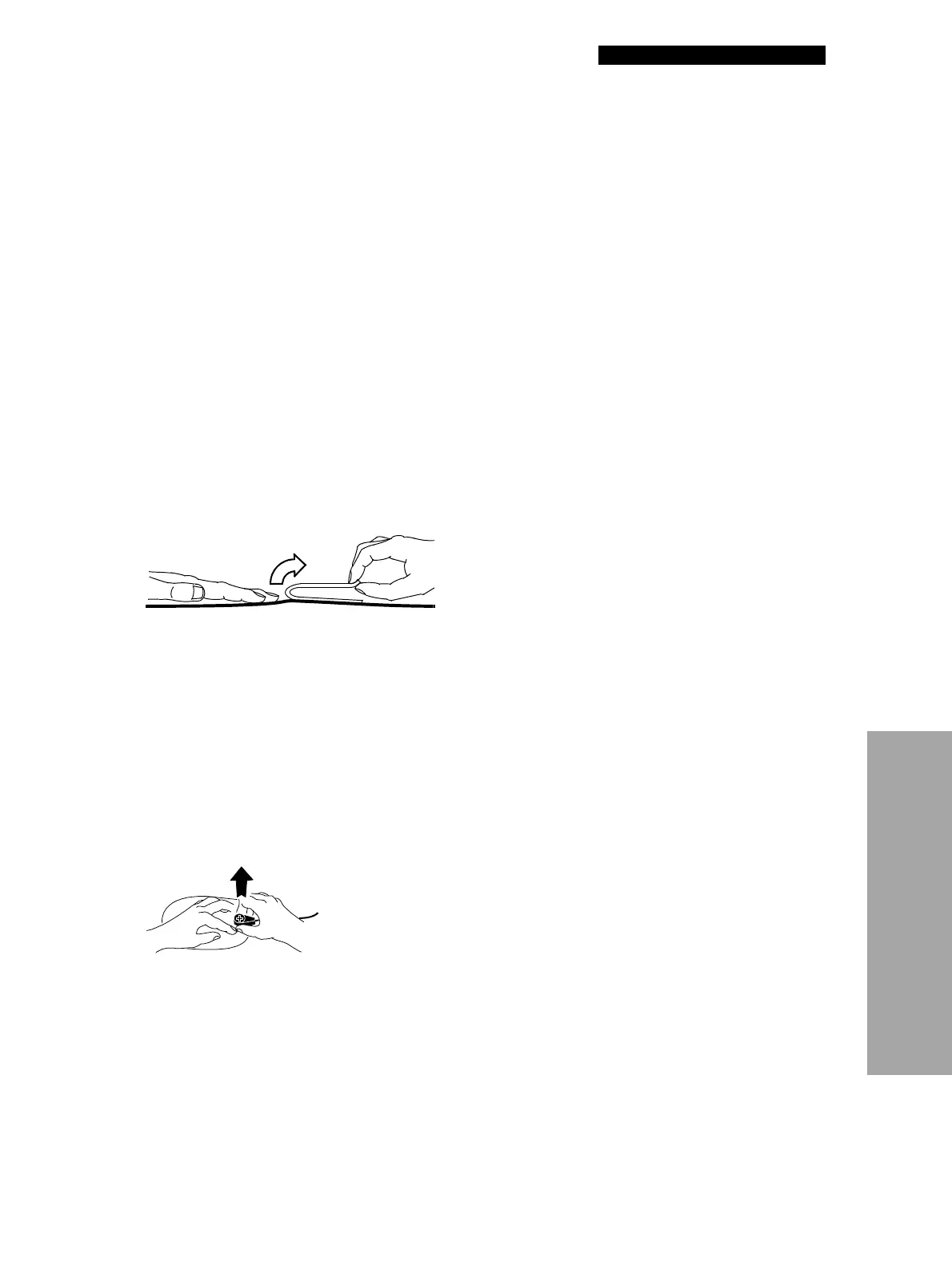
1 Slowly peel back the electrode from the edge, supporting the skin as shown in Figure 5-5.
Figure 5-5 Removing Therapy Electrodes from Skin
2 Clean and dry the patient’s skin.
3 When replacing electrodes, adjust the electrode positions slightly to help prevent skin burns.
4 Close the protective cover on the QUIK-COMBO therapy cable connector when the cable is not in
use.
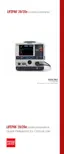
To disconnect the defibrillation cable from the FAST-PATCH electrodes:
1 Press down around the electrode post.
2 Pinch the snap connector with the fingers of the other hand and pull straight up (refer to
Figure 5-6).
Figure 5-6 Disconnecting Defibrillation Cable from FAST-PATCH Electrodes



 To Next Page